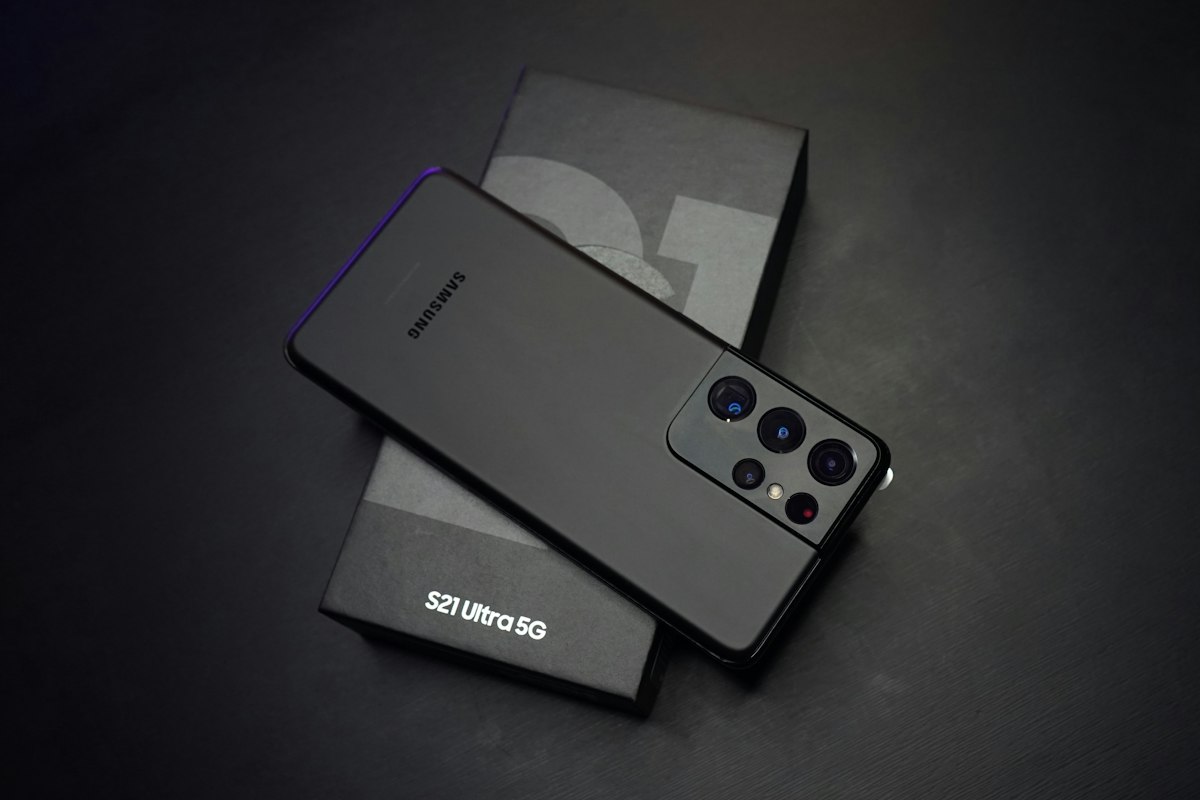
The Evolution of Foldable Phones: Samsung s "Wide" Galaxy Z Fold and Its Global Implications
Introduction: A New Era in Smartphone Design
The smartphone industry is undergoing a seismic shift as manufacturers pivot from traditional form factors to explore innovative designs. Among the most transformative developments is the rise of foldable phones, a category that has seen rapid advancements in display technology, durability, and user experience. Samsung, a pioneer in this space, has been at the forefront with its Galaxy Z series, including the Z Fold and Z Flip models. Recent whispers about a potential "Wide" Galaxy Z Fold rumored to feature an expanded internal display have reignited debates about the future of mobile devices. This article examines the historical trajectory of foldable phones, analyzes the technical and strategic motivations behind Samsung s rumored "Wide" model, and explores its potential impact on global markets, particularly in regions like North East India where demand for premium technology is surging.
Historical Context: The Rise of Foldable Phones
The concept of foldable phones dates back to the early 2010s, but it wasn t until 2019 that Samsung and Huawei launched commercial devices that captured public attention. Samsung s Galaxy Fold, with its 7.3-inch AMOLED display, and Huawei s Mate X, featuring a dual-screen design, marked the first wave of mainstream foldables. However, early models faced significant challenges, including screen durability issues and high price points (starting at $1,980 for the Galaxy Fold). Despite these hurdles, the category gained traction, with global shipments reaching 16.3 million units in 2023, according to Counterpoint Research. The market is projected to grow at a compound annual growth rate (CAGR) of 38% through 2027, driven by declining production costs and improved user adoption.
Key players in the foldable space include Samsung, Huawei, Motorola, and Oppo. Samsung dominates the market with a 70% share, leveraging its expertise in flexible OLED technology. The company s Galaxy Z Fold series has evolved from the 2019 model to the Z Fold 5, which features a 7.6-inch internal display, enhanced hinge durability, and a price tag of $1,799. The success of these devices hinges on their ability to balance portability with productivity, appealing to professionals and tech enthusiasts alike.
Technical Innovations: The "Wide" Galaxy Z Fold s Potential Features
The rumored "Wide" Galaxy Z Fold, if confirmed, represents a significant leap in foldable design. Unlike the 8.01:9 aspect ratio of the current Z Fold 5, the "Wide" model is speculated to adopt an 18:18 aspect ratio, creating a near-square internal display. This design would maximize screen real estate while maintaining a compact form factor when folded. Such a configuration could enhance multitasking capabilities, allowing users to run multiple apps side-by-side or stream content in a cinema-style format. For example, a user could watch a movie on one half of the screen while taking notes on the other, a feature particularly appealing to students and remote workers.
Under the hood, the "Wide" model may retain the Z Fold 5 s Snapdragon 8 Gen 3 processor, 16GB of RAM, and 1TB of storage, ensuring top-tier performance. However, the expanded display would likely require advancements in foldable glass technology. Samsung s Ultra-Thin Glass (UTG) has already reduced crease visibility and improved durability, but a wider screen may necessitate further innovations in hinge mechanics and material science. Analysts at TechInsights suggest that Samsung could integrate a multi-layer polymer film to reinforce the display, reducing the risk of micro-cracks a common issue in early foldables.
The rumored model numbers, such as SM-F971, discovered in the GSMA IMEI database, hint at a potential global launch. If the device debuts in 2024, it could compete directly with Apple s anticipated foldable iPhone, expected to feature a 10.8-inch display. While Apple s entry would likely focus on premium software integration and ecosystem compatibility, Samsung s hardware-centric approach could emphasize raw screen real estate and multitasking prowess.
Strategic Motivations: Why the "Wide" Fold?
Samsung s decision to pursue a "Wide" Galaxy Z Fold is rooted in both market competition and user demand. The company s internal sales data reveals that users prioritize screen size and multitasking capabilities over camera specifications or battery life. A 2023 survey by Consumer Reports found that 68% of foldable phone owners cited productivity as their primary use case, compared to 42% for traditional smartphones. By expanding the internal display, Samsung could solidify its position as the leader in foldable innovation, countering Apple s rumored entry and capturing a larger share of the premium market.
Geographically, the "Wide" Fold s launch strategy is equally telling. While Samsung has traditionally targeted China, South Korea, and the U.S., the model numbers in the IMEI database suggest a broader rollout. This aligns with the company s recent expansion into emerging markets, where demand for premium devices is growing. In North East India, for instance, smartphone penetration is expected to reach 75% by 2025, driven by rising disposable incomes and improved 4G/5G infrastructure. A "Wide" Fold could appeal to tech-savvy consumers in cities like Guwahati and Shillong, who are eager for cutting-edge gadgets but price-sensitive due to economic disparities.
However, Samsung faces challenges in these markets. The average selling price of a Z Fold 5 in India is approximately 1,50,000 (~$1,800), which is prohibitively high for most consumers. To bridge this gap, the company may offer a subsidized version through partnerships with telecom providers or introduce a lower-tier model with a smaller display. Such strategies could mirror Huawei s approach in China, where the Mate X2S is priced at 14,999 (~$2,000) but offers discounts for enterprise clients.
Regional Impact: North East India and Beyond
The potential launch of the "Wide" Galaxy Z Fold in North East India underscores the region s growing importance in the global tech ecosystem. Historically, the area has been underserved due to logistical challenges and low consumer spending power. However, the Indian government s Digital India initiative and investments in 5G networks are transforming the landscape. In 2023, Assam and Meghalaya saw a 300% increase in smartphone sales, with foldables accounting for 12% of premium segment purchases.
For North East India, the "Wide" Fold could serve as a productivity tool for small businesses and entrepreneurs. A wider screen would facilitate tasks such as managing e-commerce platforms, video conferencing with clients, and accessing digital banking services. Additionally, the device s durability Samsung claims a 200,000-fold lifespan for its hinges could appeal to users in rural areas where rugged devices are essential.
Yet, adoption hurdles remain. A 2023 study by the Indian Institute of Management (IIM) found that 72% of potential foldable buyers in North East India cited price as the primary barrier. To address this, Samsung might partner with local banks to offer installment plans or collaborate with e-commerce platforms like Flipkart to provide subsidies. These strategies could mirror Xiaomi s success in India, where aggressive pricing and marketing campaigns drove market share gains.
Broader Implications: The Future of Mobile Computing
The "Wide" Galaxy Z Fold is more than a product; it represents a paradigm shift in mobile computing. As screens expand and form factors evolve, the line between smartphones and laptops is blurring. Microsoft s Surface Duo and Google s Pixel Fold have already experimented with dual-screen and hybrid designs, but Samsung s approach emphasizes seamless integration of hardware and software. For instance, the "Wide" Fold could leverage Samsung s DeX mode to transform the device into a desktop-like interface, a feature that could disrupt the ultraportable laptop market.
From an environmental perspective, foldables also raise questions about sustainability. The production of flexible OLEDs and reinforced hinges requires rare earth metals and energy-intensive processes. Samsung has committed to achieving carbon neutrality by 2050, but the industry as a whole must address the environmental costs of rapid innovation. One solution could be modular designs that allow users to replace damaged components, reducing electronic waste.
Finally, the "Wide" Fold s potential success will depend on software optimization. Current foldables often struggle with app compatibility, as developers must adapt interfaces for varying screen sizes. Samsung s collaboration with major app developers such as Adobe, Microsoft, and Google to create foldable-optimized versions of their software will be critical. If executed well, the "Wide" Fold could set a new standard for mobile productivity, redefining how users interact with their devices in both personal and professional contexts.
Conclusion: A Pivotal Moment for Foldable Technology
The rumored "Wide" Galaxy Z Fold is a testament to the smartphone industry s relentless pursuit of innovation. By expanding the internal display, Samsung is not only responding to consumer demand but also pushing the boundaries of what a mobile device can achieve. While challenges such as pricing, durability, and software optimization persist, the potential rewards are immense. In regions like North East India, the device could empower a new generation of tech-savvy users, bridging the digital divide and fostering economic growth. As foldables become more mainstream, they will likely redefine productivity, entertainment, and communication, ushering in an era where form and function are in perfect harmony. The "Wide" Fold is not just a product it s a glimpse into the future of mobile technology.