The Future of Mobile Photography: AI Innovations in Smartphones
Introduction
The smartphone industry is on the cusp of a revolutionary change, driven by the integration of advanced artificial intelligence (AI) technologies. As consumer expectations evolve, leading manufacturers like Samsung are pushing the boundaries of what's possible with mobile devices. One of the most anticipated developments is the incorporation of on-device AI image generation, a feature rumored to be a cornerstone of Samsung's upcoming Galaxy S26. This article delves into the broader implications of this technological leap, exploring how AI is reshaping the smartphone landscape and what it means for users and the industry at large.
Main Analysis: The Evolution of AI in Smartphones
The integration of AI in smartphones is not a new phenomenon, but the pace of innovation has accelerated dramatically in recent years. AI capabilities have evolved from simple voice assistants to complex algorithms that enhance photography, improve battery life, and even predict user behavior. The next frontier in this evolution is generative AI, which allows devices to create new content, such as images, based on user input and preferences.
Generative AI has the potential to transform how users interact with their smartphones. By enabling on-device image generation, manufacturers can offer unprecedented levels of customization and creativity. This technology not only enhances the user experience but also addresses privacy concerns by processing data locally rather than sending it to the cloud. This shift towards local processing is a significant trend in the industry, driven by increasing awareness of data privacy and security.
Examples: Samsung's Galaxy S26 and the Partnership with Nota
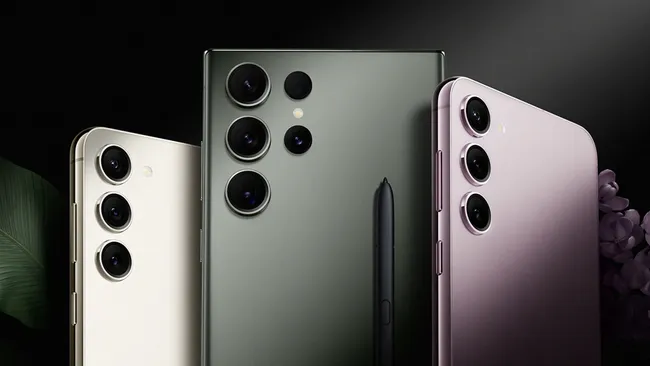
Samsung's rumored Galaxy S26 is a prime example of this trend. The device is expected to feature advanced AI capabilities, including on-device image generation, thanks to a partnership with AI company Nota. This collaboration aims to bring cutting-edge AI technology to the mainstream, allowing users to generate high-quality images in under a second. This speed and efficiency are crucial for maintaining the seamless user experience that consumers have come to expect from high-end smartphones.
The partnership with Nota is part of a broader strategy by Samsung to stay at the forefront of AI innovation. During the company's Q3 2025 earnings call, Samsung's VP of Mobile Experience Division hinted at the introduction of "next-gen AI" that is "user-centric." This statement underscores Samsung's commitment to leveraging AI to enhance user interactions and capabilities, setting a new standard for the industry.
Broader Implications: Industry Trends and Regional Impact
The integration of generative AI in smartphones has far-reaching implications for the industry and consumers alike. For manufacturers, it represents a new battleground for innovation, where the ability to offer unique and powerful AI features can be a significant competitive advantage. For users, it means greater control over their digital content and a more personalized experience.
Regionally, the impact of these innovations will vary. In markets like the United States and Europe, where data privacy is a growing concern, on-device AI processing could be a selling point. In contrast, in emerging markets like India and Africa, the focus may be more on the creative and practical applications of generative AI, such as enhancing social media content or supporting small businesses with professional-quality images.
The economic impact of these innovations is also significant. The global AI market is expected to reach $190.61 billion by 2025, according to a report by Fortune Business Insights. Smartphones, as one of the most ubiquitous consumer electronics, will play a crucial role in this growth. The adoption of AI-driven features like on-device image generation could drive sales and stimulate economic activity in regions where smartphone manufacturing and distribution are major industries.
Conclusion: The Road Ahead
The future of mobile photography is bright, with AI innovations like on-device image generation set to revolutionize how we capture and create images. Samsung's rumored Galaxy S26, with its advanced AI capabilities, is a testament to the industry's commitment to pushing the boundaries of what's possible. As these technologies become more integrated into our daily lives, they will not only enhance user experiences but also drive economic growth and innovation on a global scale.
For consumers, the benefits are clear: more personalized, secure, and creative interactions with their devices. For the industry, the race to innovate continues, with AI at the heart of the next wave of technological advancements. As we look to the future, it's evident that AI will play a pivotal role in shaping the smartphone landscape, offering new opportunities and challenges for manufacturers and users alike.