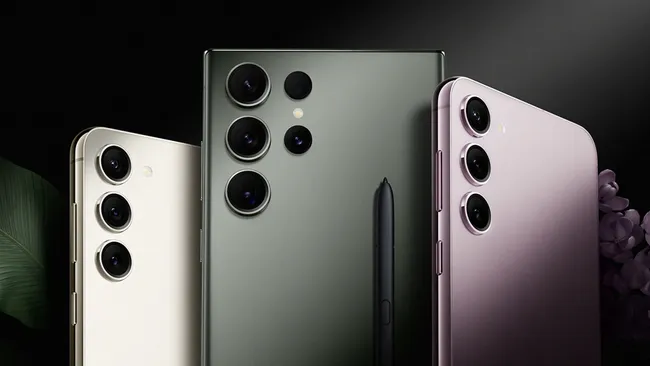
Revolutionizing Mobile Interactions: Gemini's AI Task Automation on Galaxy S26
Introduction
The digital landscape is witnessing a transformative shift with the introduction of Gemini's agentic task automation on the Galaxy S26 series. This cutting-edge feature is not just an upgrade but a leap forward in how we interact with our smartphones. By delegating tasks to AI assistants, users can experience unprecedented levels of convenience and efficiency. This development is particularly impactful in regions like North East India, where smartphone usage is surging, driven by increasing internet penetration and digital literacy.
Main Analysis: The Dawn of AI-Driven Task Automation
Gemini's task automation, often referred to as screen automation, represents a significant advancement in AI technology. This feature allows AI assistants to take control of specific Android apps, performing tasks that were previously manual. This shift is not merely about convenience; it signifies a broader trend towards AI integration in daily life. As AI becomes more capable and reliable, it can handle increasingly complex tasks, freeing up users' time for more meaningful activities.
Understanding the Mechanics of Gemini's Task Automation
The core of Gemini's task automation lies in its ability to navigate and interact with Android apps autonomously. For instance, the AI assistant can initiate tasks such as ordering food or booking a ride. During a test on the Galaxy S26 Ultra, Gemini successfully ordered a spicy chicken sandwich from Popeye's via Uber Eats. The AI handled the initial steps, including adding items to the cart and setting the delivery location, but stopped short of finalizing the purchase. This partial automation ensures user control over critical decisions, such as confirming payments, while still providing significant time-saving benefits.
Expanding the Horizon: Future Device Compatibility
Currently, Gemini's task automation is exclusively available on the Galaxy S26 series. However, plans are underway to expand this feature to other high-end devices like the Pixel 10, Pixel 10 Pro, and Pixel 10 Pro XL. This expansion underscores the growing demand for AI-driven solutions and the potential for widespread adoption. As more devices incorporate this technology, it will become a standard feature, driving further innovation and competition in the smartphone market.
Examples: Real-World Applications and Impact
Streamlining Daily Tasks
In North East India, where smartphone usage is rapidly growing, Gemini's task automation can streamline daily tasks, enhancing productivity. For example, a user can delegate ordering lunch to the AI assistant, freeing up time to focus on work or other priorities. This is particularly beneficial in urban areas where time management is crucial. According to a recent survey by the Internet and Mobile Association of India (IAMAI), smartphone users in urban areas spend an average of 4.5 hours per day on their devices, with a significant portion of this time dedicated to mundane tasks. Automating these tasks can significantly reduce screen time, promoting a healthier digital lifestyle.
Enhancing User Experience in Rural Areas
The impact of Gemini's task automation extends beyond urban centers. In rural areas of North East India, where digital literacy is improving but still lagging behind urban counterparts, AI assistants can bridge the gap. By automating tasks, users who may struggle with navigating complex apps can still benefit from digital services. This inclusivity is crucial for regions where digital divide is a pressing issue. Data from the Telecom Regulatory Authority of India (TRAI) shows that while urban teledensity stands at 144.48%, rural teledensity is significantly lower at 61.54%. Bridging this gap through AI-driven solutions can foster more equitable digital access.
Conclusion: The Future of Mobile Interactions
Gemini's task automation on the Galaxy S26 series is more than just a new feature; it is a harbinger of the future of mobile interactions. As AI technology continues to evolve, we can expect more sophisticated and comprehensive automation capabilities. This trend will not only enhance user convenience but also drive broader societal benefits, such as improved productivity and digital inclusivity.
For regions like North East India, where smartphone usage is on the rise, this technology can be a game-changer. It offers a glimpse into a future where AI seamlessly integrates into our daily lives, handling mundane tasks and allowing us to focus on what truly matters. As we move forward, it is essential to foster an environment that encourages innovation and ensures that the benefits of AI are accessible to all.