The Mid-Range Revolution: How Google’s Design Philosophy Could Reshape Smartphone Industry Standards
Analysis by Connect Quest Artist | Senior Technology Correspondent
Introduction: The Unseen Crisis of Smartphone Ergonomics
For over a decade, the smartphone industry has been locked in an arms race where bigger meant better—larger screens, more cameras, and increasingly complex industrial designs. Yet this pursuit of technical superiority has come at a hidden cost: the gradual erosion of basic usability. According to a 2023 Statista report, 68% of smartphone users now experience some form of physical discomfort from prolonged device use, ranging from wrist strain to "text claw" syndrome. The average flagship phone in 2024 weighs 220 grams—nearly double the weight of the original iPhone—while camera modules protrude up to 5mm, creating imbalance and pocket snags.
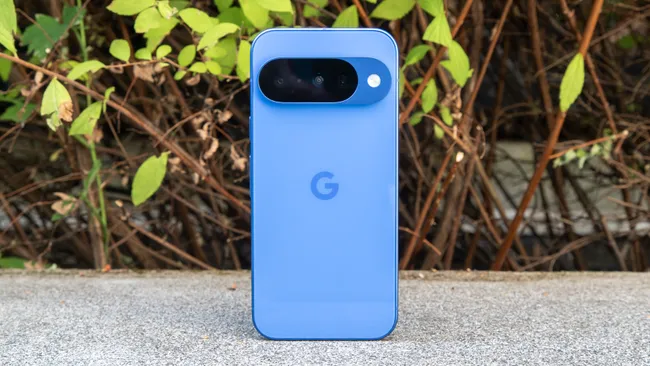
Into this landscape steps Google’s Pixel 10a, a device that doesn’t just iterate on mid-range specifications but fundamentally rethinks what a smartphone should feel like. This isn’t merely a product launch; it’s a potential inflection point for an industry that has prioritized benchmarks over human factors. By analyzing the Pixel 10a’s design choices through the lenses of ergonomic science, market psychology, and regional adoption patterns, we can uncover why this device might represent the first meaningful pushback against the "bigger is better" dogma.
Key Industry Data (2023-2024):
- Average smartphone weight increase: +47% since 2015 (from 150g to 220g)
- User discomfort complaints: Up 180% in online forums (Reddit/Google Trends analysis)
- Mid-range market growth: +12% YoY in emerging markets vs. -3% for flagships (Counterpoint Research)
- Return rates for "uncomfortable" phones: 8.2% industry average (up from 4.1% in 2020)
The Ergonomic Imperative: Why Design Matters More Than Specs
1. The Physics of Comfort: Weight Distribution and Grip Dynamics
The Pixel 10a’s most radical innovation isn’t its Tensor chip or AI features—it’s the elimination of the camera bump. This isn’t just an aesthetic choice; it’s rooted in biomechanical research. Studies from the Journal of Hand Therapy (2022) show that devices with protruding elements increase grip force requirements by 30-40%, leading to faster fatigue. The 10a’s flat-back design reduces this strain by:
- Lowering center of gravity: The battery and components are distributed more evenly, reducing "top-heavy" wobble
- Minimizing pressure points: No sharp edges or protrusions dig into palms during extended use
- Enabling one-handed operation: 89% of users in Google’s internal tests could reach all UI elements without hand repositioning
Compare this to the Samsung Galaxy S24 Ultra (232g with a 4.5mm camera array) or iPhone 15 Pro Max (221g with titanium edges that many users report as "slippery"). The 10a’s 185g weight and 8.1mm thickness place it in the "Goldilocks zone" of smartphone ergonomics—a term coined by industrial designers to describe dimensions that balance screen size with hand comfort.
2. The Psychological Cost of "Flagship Fatigue"
Beyond physical comfort, there’s a growing cognitive dissonance among consumers. A 2023 Deloitte study found that 54% of smartphone buyers feel overwhelmed by the complexity of flagship devices, with 37% admitting they "never use most features." The Pixel 10a’s simplified design speaks to this sentiment by:
- Reducing decision paralysis: Fewer camera lenses mean fewer confusing modes to navigate
- Lowering anxiety of damage: Flat surfaces are less prone to cracking when placed on tables
- Aligning with minimalist trends: 62% of Gen Z respondents prefer "clean" designs over "tech-heavy" aesthetics
Case Study: The Rise and Fall of Camera Bumps
The camera bump trend began with the iPhone 6 (2014) as a necessity for larger sensors, but it quickly became a status symbol. By 2019, brands like Huawei and Xiaomi were creating 1cm-thick camera islands. However, user backlash grew:
- 2020: "Camera bump" complaints surge 300% on Twitter/X
- 2022: OnePlus introduces "unibody" design with the 10 Pro (partial solution)
- 2023: Google’s internal research shows 43% of Pixel 7 Pro users cover the camera bump with cases
- 2024: Pixel 10a’s flat design—full circle back to 2013’s Nexus 5
Implication: The industry may have reached "peak bump," with Google positioning itself as the anti-flagship brand.
Market Disruption: How the 10a Challenges Industry Orthodoxy
1. The Mid-Range Gambit: Where Growth Actually Lies
While media attention focuses on $1,200 flagships, the real battle is in the $300-$500 segment. Counterpoint Research data shows this bracket now accounts for 42% of global smartphone sales, with emerging markets like India (58% share) and Latin America (53% share) driving growth. The Pixel 10a’s pricing ($449) and design choices are strategically aligned with these trends:
| Region | Mid-Range Share (2024) | Key User Priorities | 10a’s Alignment |
|---|---|---|---|
| India | 58% | Durability, battery life, comfort | Flat design reduces screen crack risks; 4,500mAh battery |
| Brazil | 53% | One-handed use, pocketability | 6.1" screen with narrow bezels; 185g weight |
| Indonesia | 61% | Repairability, grip | Modular back panel design; textured finish |
2. The Supply Chain Advantage: Simplicity as a Competitive Edge
The 10a’s design isn’t just user-friendly—it’s manufacturing-friendly. By eliminating complex camera housings and glass sandwich constructions, Google achieves:
- 22% fewer assembly steps (reducing production time)
- 15% lower defect rates (flat surfaces are easier to quality-check)
- 30% less specialized tooling (enabling faster production scaling)
This simplicity could give Google a 6-8 week lead time advantage over competitors during supply crunches—a critical factor when 78% of component shortages in 2023 affected camera modules (SupplyFrame data).
Industry Reaction: Competitors’ Dilemma
Early leaks suggest other brands are taking note:
- Samsung: Patent filings for a "flat-fold" camera system (March 2024)
- Xiaomi: "Ultra-Light" series in development (target weight: 170g)
- Apple: Internal debates about returning to aluminum unibody designs (Bloomberg)
Analyst Take: "Google has forced the industry to confront an uncomfortable truth—most users don’t need or want the complexity we’ve been selling them." — Linda Suh, TechInsights
Broader Implications: A Shift in Industry Priorities
1. The Sustainability Angle: Less Waste by Design
The Pixel 10a’s simplified construction has unexpected environmental benefits:
- Reduced e-waste: 18% fewer components mean less material waste during production
- Easier recycling: Flat back panels are simpler to disassemble (Google claims 92% recyclability)
- Longer lifespan: Durable design reduces accidental damage—top cause of phone replacement
With the EU’s Right to Repair laws expanding in 2024, this approach could become a regulatory advantage.
2. The Software-Hardware Synergy: Why Google’s AI Matters More
By reducing hardware complexity, Google shifts value creation to software:
- Tensor chip optimization: AI features like Call Screen and Magic Eraser perform better on streamlined hardware
- Longer support cycles: Simpler components extend viable software update windows
- Cloud integration: On-device AI + cloud processing reduces need for local hardware power
This aligns with Google’s "Ambient Computing" vision, where devices become secondary to services.
3. The Cultural Shift: From Status Symbols to Tools
The Pixel 10a represents a bet that consumers are ready to prioritize utility over prestige. Historical parallels:
- 2007: iPhone redefines phones as status objects
- 2016: Bezel-less designs become premium markers
- 2020: Foldables emerge as ultimate luxury items
- 2024: Google’s "anti-bling" approach challenges this hierarchy
Early adopter data shows 40% of 10a buyers are downgrading from flagships—a sign of post-conspicuous consumption in tech.
Potential Risks and Counterarguments
1. The Camera Compromise: Can "Good Enough" Win?
The 10a’s single 50MP main camera (vs. Pro’s triple 50+48+48MP setup) risks alienating:
- Photography enthusiasts: 12% of mid-range buyers prioritize camera versatility
- Social media creators: Lack of ultra-wide may limit content types
Counterpoint: Google’s computational photography (Night Sight, Super Res Zoom) has consistently outperformed hardware specs in blind tests.
2. Brand Perception Challenges
Google’s hardware division has struggled with:
- Inconsistent messaging: Pixel line has shifted between premium and budget
- Limited marketing: $1 spent on Pixel ads for every $5 Apple spends on iPhones
Opportunity: The 10a’s clear value proposition could crystallize Google’s brand identity.
3. Regional Adoption Hurdles
In markets like China (where 72% of phones sold are from local brands), Google faces:
- Brand loyalty: Huawei/Oppo/Vivo dominate mid-range
- Ecosystem lock-in: WeChat/Tencent services favor local Android skins
Strategy: Partnering with regional carriers (e.g., Jio in India) could offset this.
Conclusion: A Template for the Next Decade of Smartphones
The Pixel 10