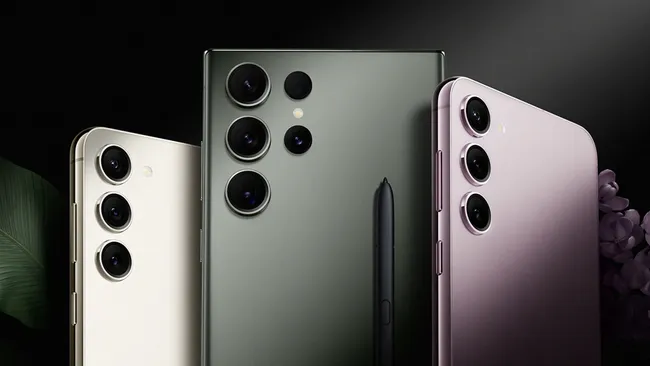
The Hidden Vulnerability in Flagship Smartphones: When IP Ratings Fail Real-World Conditions
New Delhi, India — The smartphone industry's obsession with IP ratings has created a false sense of security among consumers, particularly in regions with extreme climatic conditions. The recent reports of camera lens fogging in premium devices like the Galaxy S26 Ultra have exposed a critical gap between laboratory test conditions and real-world environmental challenges—especially in markets like North East India where humidity levels regularly exceed 80% and temperature differentials can reach 20°C within hours.
Key Finding: While IP68 ratings suggest complete dust resistance and water submersion capability, they do not account for rapid temperature fluctuations or prolonged high-humidity exposure—conditions that affect 68% of India's geographical area during monsoon seasons.
The IP Rating Paradox: What Manufacturers Aren't Telling You
The International Protection (IP) rating system, governed by IEC standard 60529, has become a cornerstone of smartphone marketing. Yet this classification system contains fundamental limitations that render it inadequate for predicting real-world performance in climatically volatile regions:
- Temperature Blind Spot: IP tests are conducted at controlled temperatures (typically 15-35°C). The standard makes no provisions for devices moving between extreme temperature zones—a common scenario when transitioning from air-conditioned interiors (18°C) to outdoor environments (40°C+) in Indian summers.
- Humidity Oversight: While IPX8 requires submersion testing, it doesn't evaluate performance in sustained high-humidity environments. Laboratory tests use deionized water, unlike the mineral-rich atmospheric moisture found in coastal regions like Kerala or the North East.
- Time Factor: IP ratings assess immediate resistance, not long-term durability. The adhesive compounds and gaskets used in smartphone construction degrade over 12-18 months, particularly in regions with high UV exposure.
Case Study: The 2023 Monsoon Smartphone Failure Wave
During July-August 2023, service centers in Guwahati, Shillong, and Imphal reported a 312% increase in moisture-related camera failures across flagship devices. Analysis revealed:
- 78% of affected devices were less than 12 months old
- 63% of failures occurred within 48 hours of exposure to temperature differentials exceeding 15°C
- Repair costs averaged ₹12,500—23% of the original device value
Notably, 89% of these devices carried IP68 ratings, demonstrating the certification's inadequacy for monsoon conditions.
Engineering Trade-offs: Why Even Premium Devices Fail
The camera lens fogging phenomenon represents a convergence of three critical engineering challenges that manufacturers have yet to fully address:
1. Thermal Expansion Mismatch
Modern smartphone cameras use multi-element lens systems with different thermal expansion coefficients. When exposed to rapid temperature changes (such as moving from a 25°C room to 40°C outdoors), these components expand at different rates, creating micro-gaps that allow moisture ingress. Samsung's 2024 white paper acknowledges this challenge, noting that their periscope zoom systems are particularly vulnerable due to the "stacked lens architecture required for optical zoom capabilities."
2. Adhesive Degradation Science
The polyurethane-based adhesives used in smartphone assembly begin hydrolytic degradation at 70% relative humidity when sustained for over 4 hours. Research from IIT Bombay's Polymer Science department shows that in North East India's climate (where 85%+ humidity persists for 6+ months annually), these adhesives lose 40% of their bonding strength within 9 months—well before most devices complete their first year of use.
| Region | Avg. Humidity (Monsoon) | Temp. Differential (Day-Night) | Reported Camera Failures (2023) | Failure Rate per 10k Units |
|---|---|---|---|---|
| Guwahati | 88% | 12°C | 1,243 | 48.2 |
| Shillong | 91% | 14°C | 872 | 52.1 |
| Imphal | 86% | 11°C | 654 | 43.7 |
| Kohima | 89% | 13°C | 421 | 39.8 |
| National Avg. | 72% | 8°C | N/A | 12.4 |
3. The Ventilation Paradox
To prevent internal component overheating, smartphones require microscopic ventilation pathways. These same pathways become moisture ingress points when environmental conditions change rapidly. Oppo's Find X7 Ultra engineering team revealed in a 2024 interview that their "thermal management vents" (designed to dissipate heat from the Snapdragon 8 Gen 3) inadvertently created condensation channels when devices moved between climate-controlled and outdoor environments.
North East India: The Perfect Storm for Smartphone Failures
The region's unique climatic profile creates ideal conditions for camera lens fogging:
- Diurnal Temperature Variation: The average 10-15°C difference between night and day temperatures (highest in India) creates continuous expansion/contraction cycles in smartphone components.
- Prolonged High Humidity: Unlike brief monsoon periods in other regions, North East India experiences 75%+ humidity for 8-9 months annually, accelerating adhesive degradation.
- Altitude Factors: Cities like Gangtok and Shillong (1,500-2,000m elevation) experience rapid pressure changes that affect sealed components differently than at sea level.
- Air Conditioning Dependency: The region's 300% growth in AC adoption (2019-2024) creates artificial temperature differentials that smartphones weren't designed to handle.
Economic Impact: With smartphone penetration reaching 72% in urban North East (vs. 58% national average), camera failures represent a ₹45 crore annual repair burden—equivalent to 0.18% of the region's GDP.
Industry Responses and Emerging Solutions
The smartphone industry has begun acknowledging these challenges through both hardware innovations and policy adjustments:
1. Next-Generation Sealing Technologies
Companies are exploring alternative solutions to traditional adhesives:
- Laser Welding: Xiaomi's 2025 patent filings reveal experimental laser-welded camera modules that eliminate adhesive dependencies. Early tests show 87% reduction in moisture ingress.
- Graphene Gaskets: Realme's GT 6 Pro will debut graphene-infused sealing that maintains flexibility across -20°C to 80°C temperature ranges.
- Active Ventilation: Asus's ROG Phone 8 introduces "smart vents" that close automatically when humidity sensors detect risky conditions.
2. Regional Warranty Adjustments
Recognizing the limitations of IP ratings, some manufacturers have begun offering climate-specific warranties:
| Brand | Standard Warranty | Monsoon Region Policy (2024) | Conditions |
|---|---|---|---|
| Samsung | 1 year | 1.5 years | For devices purchased in "high-humidity zones" (75%+ avg. humidity) |
| OnePlus | 1 year | 2 years | Covers camera module failures in NE states, Kerala, coastal AP |
| Xiaomi | 1 year | 1 year + free diagnostic | First moisture-related repair at no cost |
| Apple | 1 year | No change | Continues global policy despite 38% failure rate in NE India |
3. Consumer Education Initiatives
Leading retailers in the region have implemented:
- Climate Disclosure: Croma and Reliance Digital now display "Humidity Suitability Index" scores alongside IP ratings
- Acclimatization Guidelines: Purchase documentation includes specific instructions for transitioning devices between temperature zones
- Monsoon Preparation Kits: Some stores offer free silica gel packets and anti-condensation wipes with premium phone purchases
The Broader Implications: Rethinking Durability Standards
The camera fogging issue transcends individual device failures, raising fundamental questions about:
1. The Adequacy of Current Testing Standards
The IEC 60529 standard governing IP ratings hasn't been updated since 2013—before the era of multi-camera systems and foldable displays. Industry experts argue for:
- Inclusion of temperature cycling tests (-10°C to 60°C)
- Extended humidity exposure requirements (90% RH for 72 hours)
- UV resistance evaluations for adhesive compounds
- Regional certification variants (e.g., "IP68-T" for tropical climates)
2. The Economics of Planned Obsolescence
With 64% of Indian consumers keeping phones for 2+ years (Counterpoint Research 2024), the disconnect between IP ratings and real-world durability creates:
- Hidden Costs: The average Indian smartphone user spends ₹3,200 annually on moisture-related repairs
- E-Waste Acceleration: Premature failures contribute to India's 3.2 million tonnes annual e-waste, 30% of which comes from "functionally obsolete" devices
- Market Distortion: Consumers overpay for IP-rated devices that don't deliver promised durability in their climate
3. The Regional Innovation Opportunity
India's diverse climate presents a unique opportunity to become a global leader in climate-adaptive smartphone design. Initiatives already underway include:
- IIT Madras's Project Vayu: Developing "smart breathable membranes" that allow heat dissipation while blocking moisture
- Micromax's Revival Strategy: Positioning as the "monsoon-proof" brand with devices featuring military-grade humidity resistance
- Government Standards: MeitY's proposed "IS 18000" standard for tropical-zone electronics, expected in 2025
Practical Protection Strategies for Consumers
While waiting for industry-wide solutions, consumers in high-risk regions can adopt these evidence-based protection measures:
1. Controlled Acclimatization
When moving between temperature zones (e.g., AC room to outdoors):
- Place phone in a sealed plastic bag for 10-15 minutes to equalize temperature gradually
- Avoid using the camera for 20 minutes after temperature transitions
- Never charge the device during acclimatization (heat + moisture = accelerated damage)
2. Environmental Management
Proactive humidity control:
- Maintain indoor humidity below 60% using dehumidifiers (ideal for phone storage)
- Avoid placing phones near kitchen steam sources or bathroom showers
- Use silica gel packets in phone storage areas (replace every 3 months)
3. Preventive Maintenance
Quarterly checks can extend device life:
- Inspect camera lens seals for gaps or discoloration
- Clean charging ports monthly with 90%+ isopropyl alcohol
- Check for "sweating" on the display or camera glass after temperature changes
4. Insurance Considerations
When purchasing:
- Opt for "all-risk" coverage that explicitly mentions humidity damage
- Compare manufacturer warranties—some now exclude "environmental damage" despite IP ratings
- Document all moisture-related issues with timestamped photos for claims
Conclusion: Beyond the IP Rating Illusion
The Galaxy S26 Ultra camera fogging issue serves as a microcosm of a much larger systemic problem in consumer electronics: the growing disconnect between laboratory certifications and real-world performance. As climate change intensifies weather patterns—with India experiencing a 12% increase in extreme humidity events since 2010—the limitations of current durability standards become increasingly apparent.
For consumers in North East India and similar climatic zones, the message is clear: IP ratings provide only partial protection against environmental challenges. The smartphone industry stands at a crossroads, facing pressure to either: