The Future of Wireless Charging: Qi2 and Magnetic Alignment
Introduction
The landscape of wireless charging technology is rapidly evolving, with Qi2 and magnetic alignment emerging as pivotal trends. However, the adoption of these technologies is far from uniform, leading to significant compatibility issues and consumer confusion. This article explores the current state of wireless charging, with a particular focus on the challenges faced by Samsung's Galaxy S26 series and the broader implications for the industry.
The Evolution of Wireless Charging
Wireless charging has come a long way since its inception. The initial Qi standard, introduced by the Wireless Power Consortium (WPC), laid the groundwork for inductive charging. However, the introduction of Qi2 three years ago marked a significant shift. Qi2 incorporates magnets into smartphones, a feature popularized by Apple's MagSafe technology. This integration aims to enhance charging efficiency and alignment, but its adoption has been slow and uneven.
The Qi2 Standard and Its Challenges
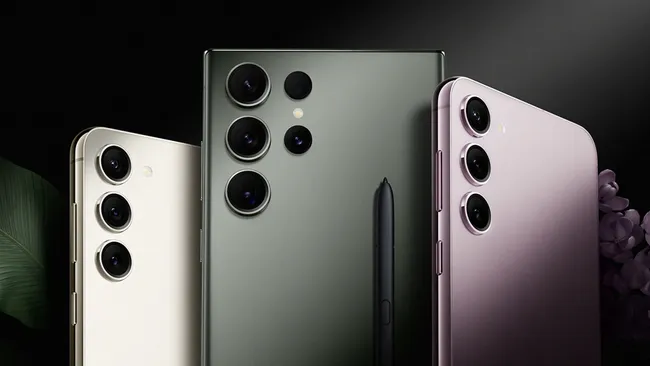
The Qi2 standard was designed to improve upon its predecessor by including magnets in smartphones, similar to Apple's MagSafe feature. However, the adoption of Qi2 has been sluggish. Google's Pixel 10 series is one of the few mainstream adoptions, while Samsung has consistently avoided integrating magnets into its phones, including the latest Galaxy S26 series. This decision has led to complications, particularly with the Galaxy S26 Ultra's support for Qi2 25W wireless charging.
The Role of Magnets and Cases
Samsung's approach to Qi2 involves offloading magnets to cases through the Qi2 Ready program. This means that while the Galaxy S26 Ultra advertises support for Qi2 25W speeds, achieving these speeds is complex. Dbrand, known for its device skins, confirmed that its Ghost cases for the Galaxy S26 Ultra do not support Qi2 25W speeds due to a proprietary handshake required to unlock faster charging. This handshake, referred to as the "Qi2 handshake," is a protocol that ensures compatibility and safety.
Industry Fallout and Consumer Confusion
The varied adoption of Qi2 has led to significant industry fallout and consumer confusion. Manufacturers are divided on the integration of magnets, leading to a fragmented market. Consumers are left puzzled, unsure of which accessories are compatible with their devices. This fragmentation is particularly evident in the accessory market, where cases and chargers must navigate a complex landscape of compatibility issues.
Real-World Examples
The Galaxy S26 Ultra's wireless charging dilemma is a case in point. Despite advertising support for Qi2 25W speeds, the reality is more complicated. Consumers must ensure they have the right case and charger to achieve these speeds, leading to a less than seamless experience. This complexity is not unique to Samsung; other manufacturers face similar challenges as they grapple with the intricacies of Qi2 integration.
Broader Implications for the Industry
The current state of wireless charging has broader implications for the tech industry. The lack of standardization and slow adoption of Qi2 could hinder innovation and consumer trust. As wireless charging becomes more prevalent, the need for a unified standard grows increasingly urgent. The Wireless Power Consortium (WPC) plays a crucial role in this regard, but its efforts are hampered by the divergent approaches of manufacturers.
Practical Applications and Regional Impact
The impact of these challenges is felt globally, but regional differences exacerbate the issue. In markets where wireless charging is more prevalent, such as the United States and Europe, the lack of standardization is particularly problematic. Consumers in these regions are more likely to encounter compatibility issues, leading to frustration and a potential decline in the adoption of wireless charging technologies.
Conclusion
The future of wireless charging is at a crossroads. The introduction of Qi2 and magnetic alignment promises enhanced efficiency and convenience, but the slow and uneven adoption of these technologies presents significant challenges. The Galaxy S26 series' wireless charging dilemma is a microcosm of the broader industry issues. As manufacturers and consumers navigate this complex landscape, the need for standardization and cooperation becomes increasingly clear. The tech industry must work together to overcome these challenges and realize the full potential of wireless charging.