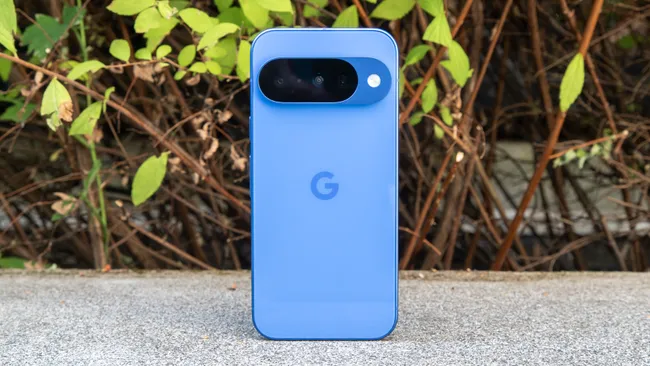
Google's Pixel 10a: A Missed Opportunity in the Mid-Range Market
The release of the Google Pixel 10a has sparked considerable discussion among tech enthusiasts and budget-conscious consumers alike. Historically, the Pixel 'a' series has been praised for delivering a premium experience at an affordable price. However, the Pixel 10a seems to deviate from this trend, raising questions about its value proposition in an increasingly competitive mid-range market. This analysis delves into the key aspects of the Pixel 10a, highlighting where it falls short and what this means for consumers, particularly those in North East India.
Stagnant Hardware: A Step Backwards
One of the most glaring issues with the Pixel 10a is its hardware. Released ten months after the Pixel 9a, the Pixel 10a retains almost identical internals. The Tensor G4 chip, which powers the device, has not seen any significant upgrades. This is particularly disappointing given that most manufacturers refresh their mid-range offerings with at least a slightly faster chipset. The Tensor G4's performance and efficiency have been criticized, and its older Exynos modem is known for high power consumption and connectivity issues. The lack of RAM or storage upgrades further compounds the problem, with the device still offering 8GB RAM and 128GB base storage.
The decision to stick with the same hardware is puzzling, especially considering the global shortage of DRAM and NAND supplies. While other manufacturers have innovated to overcome these challenges, Google seems to have taken a conservative approach. This stagnation is particularly concerning for consumers in regions like North East India, where technological advancements are crucial for bridging the digital divide. The region, known for its diverse topography and limited infrastructure, relies heavily on robust and efficient mobile devices for communication and access to digital services.
Software and Camera: Mixed Bag of Innovations
While the hardware leaves much to be desired, the Pixel 10a does bring some improvements in the software and camera departments. The device runs on the latest Android 14, offering a clean and intuitive user experience. Google's commitment to regular software updates ensures that users will have access to the latest features and security patches. This is a significant advantage, especially in a market where software support is often lacking.
The camera system, a hallmark of the Pixel series, sees some enhancements. The Pixel 10a features a 12.2MP primary sensor with improved low-light performance and a 16MP ultra-wide lens. Google's computational photography algorithms continue to impress, delivering high-quality images even in challenging conditions. However, the camera upgrades are incremental at best, and the lack of a telephoto lens may disappoint users looking for versatility in their photography.
Market Implications: The Competitive Landscape
The mid-range smartphone market is fiercely competitive, with players like Samsung, Xiaomi, and OnePlus continually pushing the boundaries of what is possible at affordable price points. The Pixel 10a's lack of significant hardware upgrades puts it at a disadvantage in this crowded field. Consumers in North East India, who are increasingly tech-savvy and price-conscious, may find better value in alternatives that offer more powerful processors, larger batteries, and additional features.
For instance, the Samsung Galaxy A54, launched around the same time, offers a more powerful Exynos 1380 chipset, a larger 5,000mAh battery, and a versatile camera system. Similarly, the OnePlus Nord series has gained popularity for its high-refresh-rate displays and fast charging capabilities. These alternatives not only provide better specs but also cater to the specific needs of consumers in regions with limited infrastructure, such as longer battery life and reliable connectivity.
Consumer Expectations: The Shifting Paradigm
Consumer expectations in the mid-range market have evolved significantly over the years. Today's consumers demand more than just a functional device; they seek a comprehensive experience that includes performance, durability, and innovation. The Pixel 10a's focus on software and camera improvements, while commendable, may not be enough to meet these elevated expectations.
In North East India, where smartphones are not just communication tools but also gateways to education, healthcare, and economic opportunities, the stakes are even higher. The region's unique challenges, such as limited internet connectivity and power outages, require devices that are not only powerful but also efficient and reliable. The Pixel 10a's hardware limitations may hinder its ability to meet these demands, potentially alienating a significant portion of its target audience.
Future Prospects: Lessons for Google
The Pixel 10a serves as a valuable lesson for Google in understanding the dynamics of the mid-range market. While the company's focus on software and camera technology is appreciated, it must also prioritize hardware innovations to stay competitive. Future iterations of the Pixel 'a' series should aim to balance cost-effectiveness with meaningful upgrades that address the evolving needs of consumers.
Moreover, Google should consider the unique requirements of different regions when designing its devices. For instance, in North East India, features like longer battery life, robust connectivity, and durability are crucial. By tailoring its offerings to meet these specific needs, Google can better serve its diverse customer base and solidify its position in the mid-range market.
Conclusion: The Path Forward
The Google Pixel 10a, while offering some improvements in software and camera technology, falls short in delivering the hardware upgrades expected in a mid-range device. This stagnation is particularly concerning in a competitive market where consumers demand more for their money. For Google to regain its footing in the mid-range segment, it must prioritize meaningful hardware innovations and consider the unique needs of different regions. Only then can it truly deliver on the promise of a premium experience at an affordable price.