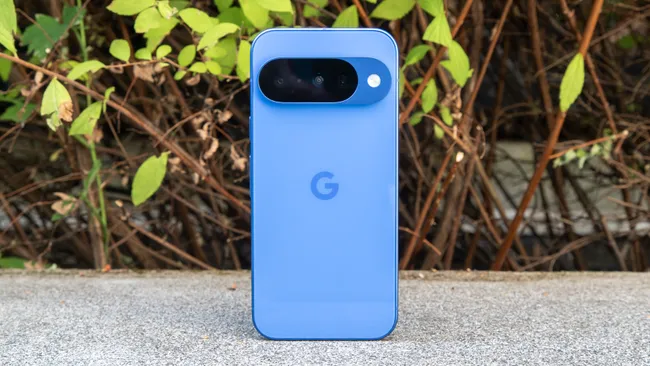
Google Pixel 10a: A Paradigm Shift in Wireless Charging Technology
Introduction
The launch of the Google Pixel 10a has ignited a wave of excitement among tech enthusiasts, particularly in regions like North East India, where the demand for affordable smartphones with advanced features is surging. This latest addition to Google's Pixel lineup not only builds on the foundation laid by the Pixel 9a but also introduces several enhancements that make it a standout choice for budget-conscious consumers. Among these improvements, the charging capabilities of the Pixel 10a deserve special attention, as they represent a significant leap forward in wireless charging technology.
Main Analysis: The Evolution of Wireless Charging
Wireless charging has evolved significantly since its inception, moving from a niche feature to a mainstream expectation in modern smartphones. The Google Pixel 10a embodies this evolution, offering up to 10W wireless charging, a notable upgrade from the 7.5W wireless charging of its predecessor, the Pixel 9a. This enhancement is not just a matter of convenience; it reflects a broader trend in the industry towards faster and more efficient wireless charging solutions.
The Pixel 10a's wireless charging capabilities are particularly impressive when compared to other devices in its price range. According to a report by the International Data Corporation (IDC), the global market for wireless charging is expected to grow at a compound annual growth rate (CAGR) of 13.2% from 2021 to 2026, reaching a value of $2.7 billion. This growth is driven by increasing consumer demand for convenience and the proliferation of wireless charging infrastructure in public spaces.
However, the Pixel 10a's lack of support for Qi2 magnetic charging is a notable omission. Qi2, the latest standard in wireless charging, offers improved efficiency and faster charging speeds. The absence of built-in magnets in the Pixel 10a means it cannot utilize magnetic cases for wireless charging, a feature that has become increasingly popular in high-end smartphones. This limitation sets the Pixel 10a apart from other models in the Pixel 10 lineup, which do support Google's Pixel snap ecosystem of accessories.
Examples: Real-World Implications
The practical applications of the Pixel 10a's enhanced charging capabilities are manifold. For consumers in North East India, where power outages are common, the ability to charge a device quickly and efficiently is crucial. The Pixel 10a's support for up to 30W wired charging, achievable with Google's 45W USB-C wall charger, ensures that users can get their devices back to full power in a shorter amount of time.
Moreover, the device's 5,100 mAh battery, while unchanged from the Pixel 9a, provides ample power for a full day's use. This is particularly beneficial for users in rural areas, where access to charging points may be limited. The combination of a large battery capacity and faster charging speeds makes the Pixel 10a a reliable choice for those who need their devices to last through long days of work or travel.
The lack of Qi2 magnetic charging, however, may limit the device's appeal to tech enthusiasts who value the latest in charging technology. Magnetic charging cases, which allow for more secure and efficient charging, have become a popular accessory among high-end smartphone users. The Pixel 10a's incompatibility with these cases may be a deal-breaker for some, but for many, the device's other features and affordable price point will outweigh this limitation.
Conclusion
The Google Pixel 10a represents a significant step forward in wireless charging technology, offering enhanced charging speeds and a reliable battery life. While its lack of support for Qi2 magnetic charging is a notable omission, the device's other features and affordable price point make it a compelling choice for budget-conscious consumers, particularly in regions like North East India. As the demand for wireless charging continues to grow, devices like the Pixel 10a will play a crucial role in shaping the future of this technology.
Looking ahead, it will be interesting to see how Google and other manufacturers respond to the increasing demand for advanced wireless charging solutions. The Pixel 10a's enhancements suggest a promising future for wireless charging, one where convenience and efficiency are paramount. As the technology continues to evolve, we can expect to see even more innovative solutions that cater to the diverse needs of consumers around the world.