Revolutionizing Fashion Choices: AI in Virtual Try-Ons
The fashion industry is undergoing a significant transformation with the advent of AI-powered virtual try-on technologies. These innovations are not just enhancing the shopping experience but also making it more personalized and efficient. For consumers in North East India, where fashion trends are diverse and dynamic, these technologies offer exciting new possibilities.
Enhanced Shopping Experiences with AI
AI-driven features like Google's Circle to Search and Try On, along with Samsung's Photo Assist, are revolutionizing how we shop for clothes. These tools allow users to visualize outfits before making a purchase, making the shopping experience more interactive and convenient.
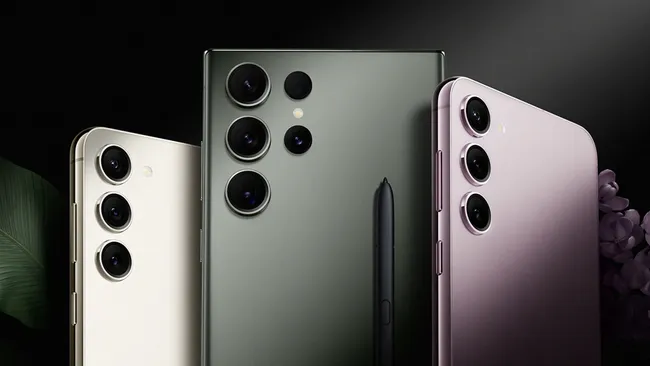
Google's Circle to Search, available on premium Android phones from brands like Google, Samsung, and OnePlus, has been upgraded to identify multiple items in an outfit simultaneously. This feature, launched alongside the Galaxy S26 series, allows users to circle an image of a person and get details on every item they are wearing, from top to shoes. This is particularly useful for replicating looks seen on celebrities or in advertisements.
Google Try On, which debuted in the U.S. in the summer of 2023 and arrived in Canada in October 2025, enables users to virtually try on clothing from participating retailers. By uploading a full-body photo, users can see how different outfits would look on them, making online shopping more convenient and reducing the need for returns.
The Evolution of AI in Fashion
The integration of AI in the fashion industry is not a sudden phenomenon but a culmination of years of technological advancements. The fashion industry has always been at the forefront of innovation, and the adoption of AI is a natural progression. AI's ability to analyze vast amounts of data and provide personalized recommendations has made it an invaluable tool for fashion retailers.
One of the earliest applications of AI in fashion was in recommendation systems. Retailers like Amazon and Netflix have long used AI to recommend products and content based on user behavior. In the fashion industry, this translates to personalized clothing recommendations based on a user's browsing and purchase history. This not only enhances the shopping experience but also increases the likelihood of a purchase.
The Impact of AI on Fashion Trends
AI is not just changing how we shop for clothes; it's also influencing fashion trends. AI algorithms can analyze social media posts, runway shows, and street style to predict upcoming trends. This information is invaluable for designers and retailers, allowing them to stay ahead of the curve and meet consumer demand.
For instance, AI can analyze Instagram posts to identify emerging trends in real-time. This data can then be used to inform design and production decisions, ensuring that retailers are always stocked with the latest styles. This is particularly beneficial in regions like North East India, where fashion trends are diverse and dynamic.
Practical Applications and Regional Impact
The practical applications of AI in fashion are vast. From virtual try-ons to personalized recommendations, AI is making the shopping experience more convenient and efficient. For consumers, this means less time spent browsing and more time enjoying their purchases.
In North East India, where fashion trends are diverse and dynamic, AI-powered virtual try-on technologies offer exciting new possibilities. These technologies allow consumers to experiment with different styles and trends, making fashion more accessible and inclusive. This is particularly important in a region known for its cultural diversity and rich fashion heritage.
Challenges and Future Directions
While the benefits of AI in fashion are clear, there are also challenges to consider. One of the biggest challenges is data privacy. AI-powered fashion technologies often require access to personal data, raising concerns about privacy and security. It's crucial for retailers to ensure that user data is handled responsibly and securely.
Another challenge is the potential for AI to perpetuate biases. AI algorithms are only as unbiased as the data they are trained on. If the data is biased, the recommendations and predictions made by the AI will also be biased. This is a significant concern in the fashion industry, where diversity and inclusion are paramount.
Despite these challenges, the future of AI in fashion looks bright. As technology continues to advance, we can expect to see even more innovative applications of AI in the fashion industry. From AI-powered virtual try-ons to personalized recommendations, AI is revolutionizing the way we shop for clothes and influencing fashion trends.
Conclusion
The integration of AI in the fashion industry is transforming the way we shop for clothes and influencing fashion trends. AI-powered virtual try-on technologies are making the shopping experience more personalized and efficient, while AI algorithms are predicting upcoming trends and informing design decisions.
In regions like North East India, where fashion trends are diverse and dynamic, these technologies offer exciting new possibilities. However, it's important to address the challenges associated with AI, such as data privacy and bias, to ensure that the benefits of AI in fashion are enjoyed by all.
As we look to the future, it's clear that AI will continue to play a significant role in the fashion industry. From virtual try-ons to personalized recommendations, AI is revolutionizing the way we shop for clothes and influencing fashion trends.