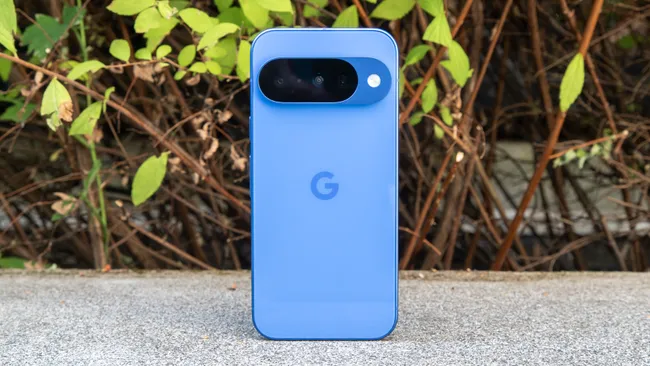
The Evolution of Screen Protection: Safeguarding Your Google Pixel 10a
Introduction
In the ever-evolving landscape of smartphone technology, the Google Pixel 10a stands out as a paragon of innovation. Equipped with Gorilla Glass 7i and an IP68 rating, the Pixel 10a offers robust protection against water and dust. However, the daily grind of pocket sand, keys, and other minor hazards can still pose a threat to the device's screen. This article delves into the necessity of screen protectors, their historical context, and the broader implications of screen protection technology for the tech industry and consumers alike.
The Historical Context of Screen Protection
The concept of screen protection is not new. The first screen protectors emerged in the early 2000s with the advent of PDAs and early smartphones. These initial protectors were often made of plastic and offered minimal scratch resistance. As touchscreen technology advanced, so did the need for more durable and responsive screen protectors. The introduction of tempered glass screen protectors in the early 2010s marked a significant shift, providing enhanced durability and clarity.
Today, screen protectors have evolved to include features like oleophobic coatings, anti-glare properties, and even self-healing capabilities. The market for screen protectors is expected to reach $2.5 billion by 2025, driven by the increasing demand for smartphones and the need for enhanced screen durability.
The Necessity of Screen Protectors for the Google Pixel 10a
While the Google Pixel 10a boasts impressive specs, including a 6.3-inch display similar to its predecessor, the Pixel 9a, it is not impervious to damage. Daily use exposes the device to scratches, cracks, and other forms of screen damage. A screen protector adds an extra layer of defense, ensuring the screen's integrity and functionality are preserved. This is particularly important for devices like the Pixel 10a, which are designed to offer a premium user experience.
According to a study by SquareTrade, a leading provider of protection plans, smartphone screens are the most commonly damaged component, accounting for 50% of all repairs. The use of a screen protector can significantly reduce the risk of screen damage, saving consumers both time and money.
Analyzing the Market: Top Screen Protectors for the Google Pixel 10a
Budget-Friendly Options
For consumers seeking affordability without compromising quality, the IMBZBK 3 Pack Screen Protector is a standout choice. Priced under $10, this set includes three tempered glass screen protectors and three camera lens protectors. The protectors are case-friendly and shatter-proof, with an oleophobic coating that repels liquids and oils, ensuring a clean screen. This option is particularly appealing to budget-conscious consumers who want to extend the lifespan of their device without breaking the bank.
Another economical option is the Supershieldz 3 Pack Anti-Glare Matte Screen Protector. Made from high-quality materials, this protector offers excellent scratch resistance and an anti-glare finish that reduces eye strain. The matte finish also provides a smudge-resistant surface, making it ideal for users who spend a lot of time outdoors or in brightly lit environments.
Premium Options
For those willing to invest a bit more, the Whitestone Dome Glass Screen Protector offers unparalleled protection. This protector uses a liquid adhesive that fills in any microscopic gaps, ensuring a perfect fit and touch sensitivity. The installation process is more involved, requiring a UV light for curing, but the result is a screen protector that feels like the original screen. This option is particularly popular among tech enthusiasts who prioritize screen responsiveness and clarity.
The ZAGG InvisibleShield Glass Elite VisionGuard+ is another premium option that combines advanced features with superior protection. This protector includes a blue light filter that reduces eye strain and an antimicrobial coating that inhibits the growth of odor-causing bacteria. The Glass Elite VisionGuard+ is designed to withstand heavy use, making it ideal for professionals who rely on their devices for work.
Practical Applications and Regional Impact
The use of screen protectors has practical applications that extend beyond mere screen protection. For instance, in regions with harsh climates, such as the desert areas of Arizona or the humid tropics of Florida, screen protectors with oleophobic coatings can help repel sweat and moisture, keeping the screen clean and functional. In urban areas where devices are more susceptible to scratches from keys and coins, tempered glass protectors provide an extra layer of durability.
Moreover, the environmental impact of screen protectors cannot be overlooked. By extending the lifespan of devices, screen protectors contribute to reducing e-waste. According to the United Nations, e-waste is the fastest-growing waste stream in the world, with an estimated 50 million tons generated annually. By using screen protectors, consumers can help mitigate this environmental issue.
Broader Implications for the Tech Industry
The evolution of screen protection technology has broader implications for the tech industry. As smartphones become more integrated into daily life, the demand for durable and reliable devices increases. Manufacturers are increasingly focusing on developing devices that can withstand daily wear and tear, and screen protectors play a crucial role in this endeavor.
Furthermore, the market for screen protectors is driving innovation in materials science. Companies are investing in research and development to create stronger, more responsive, and eco-friendly screen protectors. This innovation is not limited to screen protectors; it extends to other protective accessories and even to the materials used in the devices themselves.
Conclusion
In conclusion, the Google Pixel 10a, while robust, benefits significantly from the use of a screen protector. The historical evolution of screen protection technology, from simple plastic films to advanced tempered glass, underscores the importance of this accessory in preserving device functionality and longevity. Whether opting for budget-friendly or premium options, consumers have a range of choices that cater to their specific needs and preferences.
The broader implications of screen protection technology for the tech industry and the environment are profound. As the demand for durable devices grows, so does the need for innovative protective solutions. By investing in screen protectors, consumers not only safeguard their devices but also contribute to a more sustainable and technologically advanced future.