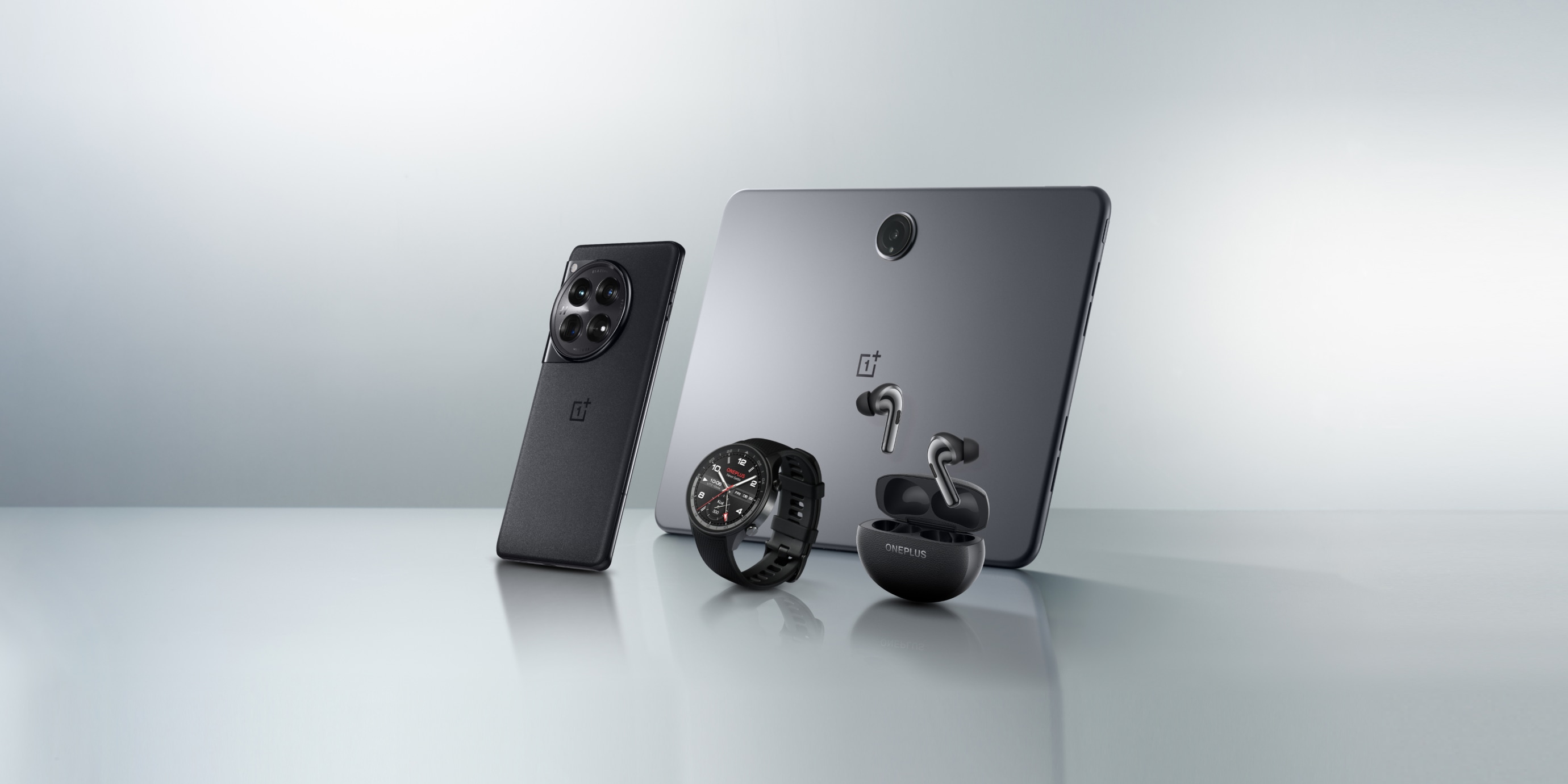
The Digital Pivot: OnePlus' Offline Exit and India's Evolving Smartphone Market
Introduction
The smartphone market in India, one of the world's largest and most dynamic, is undergoing a significant transformation. One of the most notable recent developments is OnePlus' decision to close its offline retail stores. This move is not just a corporate strategy shift but a harbinger of broader changes in the retail landscape. This analysis delves into the implications of OnePlus' decision, the evolving consumer behavior, and the future of smartphone retail in India.
Main Analysis: The Shift to Digital Retail
OnePlus' decision to exit the offline retail space in India is a bold move that reflects a broader trend in the smartphone industry. The company, known for its high-quality devices at competitive prices, has traditionally relied on a mix of online and offline sales channels. However, the growing prevalence of e-commerce and changing consumer preferences have made online sales more attractive.
The COVID-19 pandemic has accelerated the shift towards online shopping. According to a report by the India Brand Equity Foundation, the e-commerce market in India is expected to reach $200 billion by 2026, growing at a CAGR of 27% from $46.2 billion in 2020. This growth is driven by increased internet penetration, the convenience of online shopping, and the proliferation of digital payment methods.
For smartphone manufacturers, the cost-effectiveness of online sales channels is a significant factor. Maintaining physical retail stores involves high overhead costs, including rent, utilities, and staff salaries. In contrast, online sales channels offer lower operational costs and the ability to reach a wider audience. Additionally, online platforms provide valuable data on consumer behavior, which can be used to tailor marketing strategies and product offerings.
Examples: The Impact on Consumers and Competitors
The shift to digital retail has profound implications for consumers and competitors in the smartphone market. For consumers, the convenience of online shopping is a major advantage. They can compare prices, read reviews, and make purchases from the comfort of their homes. However, the lack of a hands-on experience can be a drawback, especially for those who prefer to physically interact with a device before buying.
For competitors, OnePlus' move to focus on online sales could prompt a similar shift. Companies like Xiaomi, Samsung, and Realme, which have a strong offline presence, may need to reevaluate their strategies. Xiaomi, for instance, has been expanding its offline retail network through Mi Homes and Mi Stores. However, the company has also been investing heavily in its online sales channels, recognizing the growing importance of e-commerce.
The regional impact of this shift is also significant. In tier-2 and tier-3 cities, where internet penetration is lower, offline retail still plays a crucial role. However, as internet access improves and more people become comfortable with online shopping, the reliance on physical stores is likely to decrease. This could lead to a consolidation of the retail market, with fewer but more efficient offline stores coexisting with robust online platforms.
Conclusion: The Future of Smartphone Retail in India
OnePlus' decision to exit the offline retail market in India is a clear indication of the evolving smartphone retail landscape. The shift towards digital retail is driven by changing consumer behavior, the rise of e-commerce, and the cost-effectiveness of online sales channels. While this move has implications for consumers and competitors, it also presents opportunities for innovation and growth.
As the smartphone market continues to evolve, companies will need to adapt their strategies to meet the changing needs of consumers. This may involve investing in advanced e-commerce platforms, enhancing customer service, and leveraging data analytics to gain insights into consumer behavior. Ultimately, the future of smartphone retail in India will be shaped by a blend of online and offline strategies, with a strong emphasis on digital innovation.