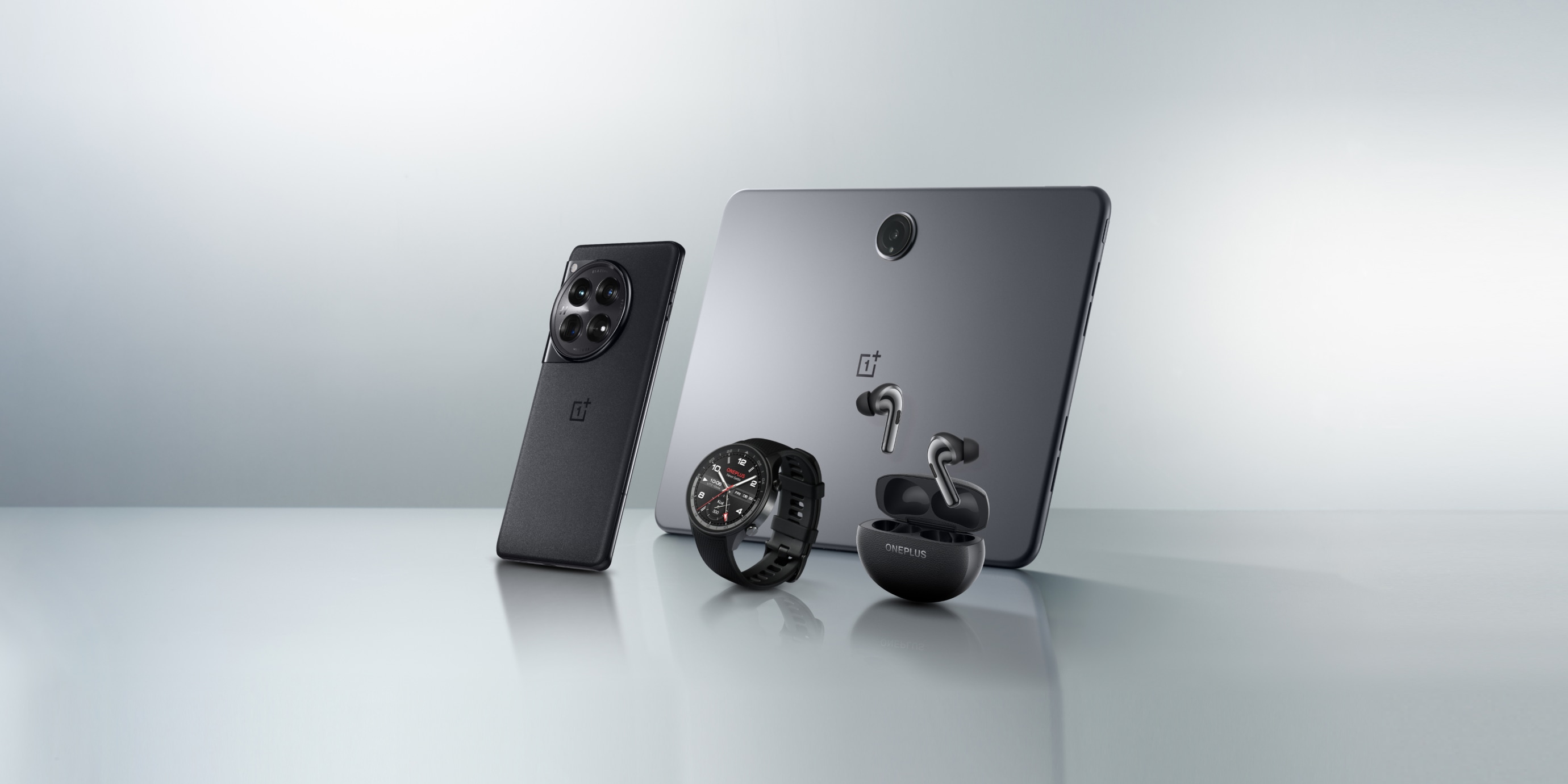
The Strategic Synergy: OnePlus and OPPO's Service Center Integration in India
Introduction
The tech landscape in India is witnessing a significant shift as OnePlus and OPPO, two prominent players in the smartphone market, announce a strategic integration of their service centers. This move, slated to take effect in April 2026, has sparked a flurry of discussions and speculations among industry analysts and consumers alike. The decision to merge service centers is not just a logistical convenience but a strategic maneuver that could reshape the competitive dynamics of the Indian smartphone market. This analysis delves into the broader implications of this integration, its historical context, and the potential regional impact.
Main Analysis: The Strategic Rationale Behind the Integration
To understand the significance of this integration, it's essential to look at the broader context of the Indian smartphone market. India is the second-largest smartphone market globally, with over 500 million users as of 2023. The market is highly competitive, with players like Samsung, Xiaomi, Vivo, and Realme vying for market share. OnePlus and OPPO, both subsidiaries of BBK Electronics, have carved out a significant niche for themselves, particularly in the premium and mid-range segments.
The decision to integrate service centers is a strategic move aimed at enhancing customer experience and operational efficiency. By leveraging OPPO's extensive service network, OnePlus can significantly expand its after-sales service infrastructure. This is crucial in a market where after-sales service is a critical differentiator. According to a report by Counterpoint Research, poor after-sales service is one of the top reasons for customer dissatisfaction in the Indian smartphone market.
The integration also makes economic sense. By sharing resources, both companies can reduce operational costs and invest more in research and development. This is particularly important in the current economic climate, where rising component costs and supply chain disruptions are putting pressure on profit margins. According to a report by IDC, the global semiconductor shortage has led to a 10-15% increase in the cost of smartphone components. By streamlining their service operations, OnePlus and OPPO can mitigate some of these cost pressures.
Historical Context: A Tale of Two Brands
The integration of service centers is not the first instance of collaboration between OnePlus and OPPO. Both companies have a history of shared resources and strategic partnerships. In 2021, OnePlus merged its research and development operations with OPPO, a move that was seen as a precursor to deeper integration. This merger allowed OnePlus to leverage OPPO's extensive R&D capabilities, resulting in the launch of the OnePlus Nord series, which has been a significant success in the mid-range segment.
The shared parentage under BBK Electronics has also facilitated collaboration in other areas. For instance, OnePlus and OPPO have shared supply chain resources, which has helped both companies navigate the global semiconductor shortage more effectively. This historical context suggests that the service center integration is not just a one-off move but part of a broader strategy to leverage synergies between the two brands.
Examples: Regional Impact and Practical Applications
The integration of service centers is expected to have a significant regional impact, particularly in the North East region, where both OnePlus and OPPO have a substantial user base. The North East region, comprising states like Assam, Meghalaya, and Arunachal Pradesh, has seen a rapid increase in smartphone penetration in recent years. According to a report by the Telecom Regulatory Authority of India (TRAI), smartphone penetration in the North East region has grown by 20% in the last two years.
The expanded service network will provide users in these regions with more convenient and premium service experiences. For instance, users in remote areas who previously had to travel long distances to access service centers will now have more local options. This is expected to enhance customer satisfaction and loyalty, which are critical in a competitive market like India.
The integration also has practical applications for the companies' operational strategies. By expanding their service network, OnePlus and OPPO can gather more data on customer preferences and issues, which can inform future product development. This data-driven approach is crucial in a market where consumer preferences are rapidly evolving. For example, the rise of 5G technology is expected to drive demand for 5G-enabled smartphones in India. By leveraging their expanded service network, OnePlus and OPPO can gather insights on 5G adoption and tailor their product offerings accordingly.
Conclusion: The Road Ahead
The integration of OnePlus and OPPO's service centers in India is a strategic move that could reshape the competitive dynamics of the Indian smartphone market. By leveraging OPPO's extensive service network, OnePlus can enhance its after-sales service infrastructure, reduce operational costs, and gather valuable customer insights. This move is part of a broader strategy to leverage synergies between the two brands, which have a history of collaboration and shared resources.
The regional impact of this integration is expected to be significant, particularly in the North East region, where smartphone penetration is rapidly increasing. The expanded service network will provide users with more convenient and premium service experiences, enhancing customer satisfaction and loyalty. As the Indian smartphone market continues to evolve, the integration of service centers could be a harbinger of more strategic partnerships and collaborations between OnePlus and OPPO.
In conclusion, the integration of OnePlus and OPPO's service centers is not just a logistical convenience but a strategic maneuver that could have far-reaching implications for the Indian smartphone market. As both companies navigate the challenges and opportunities of this dynamic market, their ability to leverage synergies and collaborate effectively will be crucial to their long-term success.