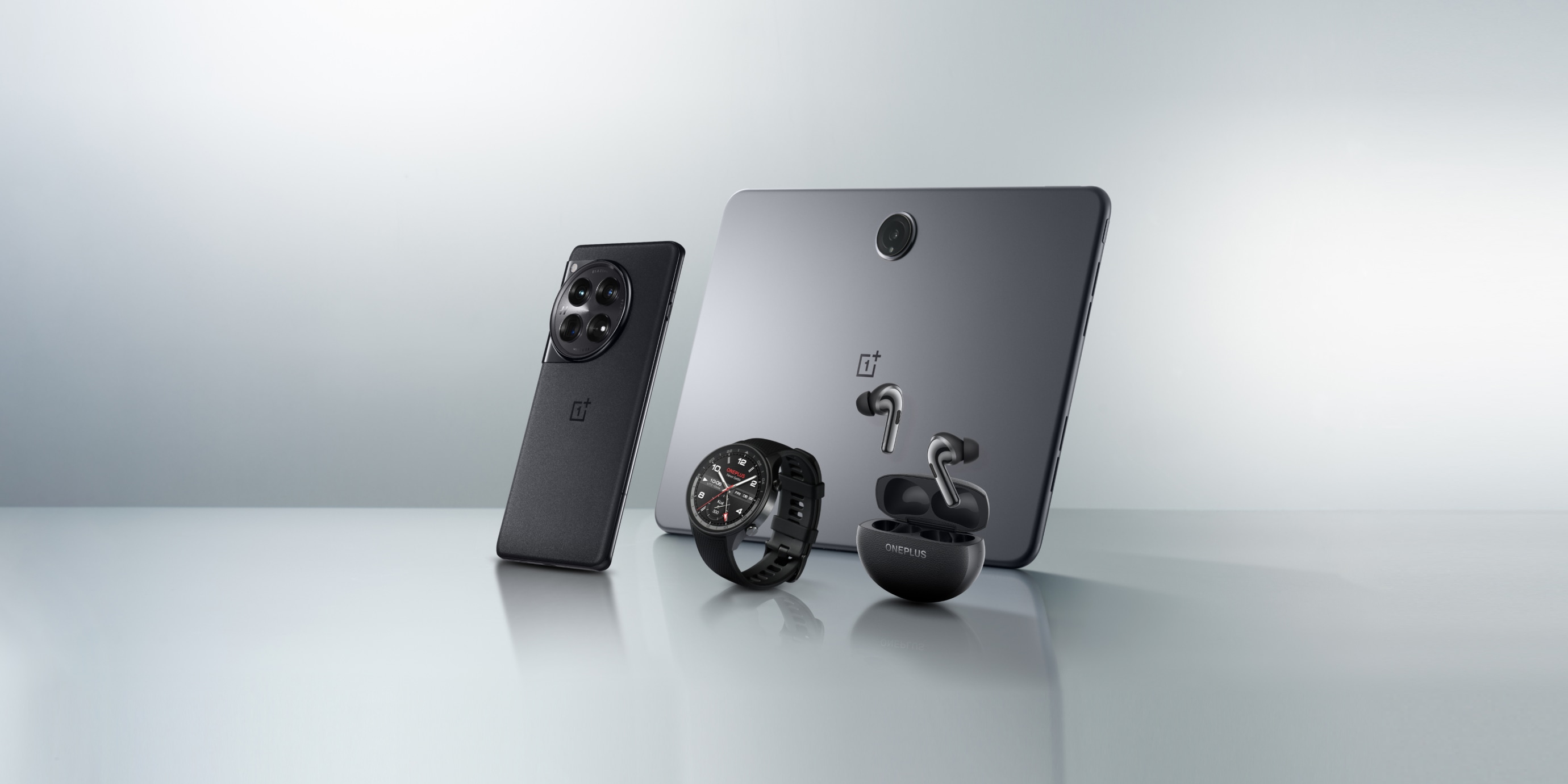
The Ripple Effects of OnePlus's Decline in the Global Smartphone Market
Introduction
The global smartphone market is a dynamic and fiercely competitive landscape, where innovation and consumer loyalty can make or break a brand. OnePlus, once a darling of tech enthusiasts, has recently faced significant challenges, particularly in the United States. The potential retreat of OnePlus from the US market raises critical questions about the brand's impact and the broader implications for the smartphone industry. This analysis delves into the reasons behind OnePlus's struggles, the unique position it held, and the potential repercussions for both consumers and competitors.
Main Analysis
The Rise and Fall of OnePlus
OnePlus emerged in 2013 with a mission to disrupt the smartphone market by offering high-performance devices at competitive prices. The brand quickly gained a loyal following among tech enthusiasts, who appreciated its focus on cutting-edge hardware and user-centric features. Models like the OnePlus One and OnePlus 3T were hailed for their advanced specifications, including larger batteries, faster charging, and superior camera technology compared to competitors like Samsung and Apple.
However, despite its initial success, OnePlus has struggled to make a significant dent in the US market. Several factors contribute to this limited success, including intense competition, marketing challenges, and the dominance of established brands like Apple and Samsung. The US market, in particular, is notoriously difficult to penetrate due to strong brand loyalty and the influence of carrier partnerships.
Market Dynamics and Competitive Landscape
The smartphone market is dominated by a few key players, with Apple and Samsung leading the pack. According to Statista, as of 2022, Apple held a 45% market share in the US, followed by Samsung with 30%. OnePlus, despite its innovative offerings, has only managed to capture a small fraction of this market. The brand's market share in the US has remained below 5%, highlighting the challenges it faces in competing with established giants.
OnePlus's approach has been distinctly different from its competitors. The brand's foundation in the Chinese market and its focus on enthusiast features set it apart. For instance, the OnePlus 15 boasted a 7,000 mAh battery, far surpassing the 5,000 mAh batteries of other flagship devices in the US. This innovation highlighted the gap between OnePlus and its competitors, who seemed more focused on matching Apple's offerings rather than pushing technological boundaries.
Consumer Behavior and Brand Loyalty
Consumer behavior plays a crucial role in the success or failure of a smartphone brand. In the US, brand loyalty is a significant factor, with many consumers sticking to familiar names like Apple and Samsung. OnePlus, despite its innovative features, has struggled to break this loyalty barrier. The brand's marketing efforts have also been less aggressive compared to its competitors, which has limited its reach and visibility.
Moreover, the US market is heavily influenced by carrier partnerships. Major carriers like Verizon, AT&T, and T-Mobile have significant control over which devices are promoted and sold. OnePlus has had limited success in securing these partnerships, further hindering its ability to penetrate the market. In contrast, brands like Apple and Samsung have strong relationships with carriers, ensuring their devices are prominently featured in stores and marketing campaigns.
Examples and Case Studies
The Impact of Carrier Partnerships
One of the most significant challenges OnePlus has faced is the lack of strong carrier partnerships. In the US, carrier influence is immense, with major carriers controlling a substantial portion of smartphone sales. For instance, Apple's partnership with Verizon has been instrumental in its dominance in the US market. Verizon's extensive network and marketing reach have helped Apple maintain its lead, with the iPhone consistently ranking as the top-selling smartphone.
In contrast, OnePlus has struggled to secure similar partnerships. The brand's limited presence in carrier stores and marketing campaigns has hindered its ability to reach a broader audience. This lack of visibility has been a significant barrier to OnePlus's success in the US, despite its innovative offerings.
The Role of Marketing and Branding
Marketing and branding play a crucial role in the success of a smartphone brand. Apple, for example, has built a strong brand image through consistent marketing efforts and a focus on user experience. The company's "Think Different" campaign in the late 1990s helped establish Apple as a leader in innovation and creativity. Similarly, Samsung's aggressive marketing campaigns, including its "Next Big Thing" series, have helped the brand gain a significant market share.
OnePlus, on the other hand, has taken a more subdued approach to marketing. The brand has relied heavily on word-of-mouth and online communities to promote its devices. While this strategy has helped OnePlus gain a loyal following among tech enthusiasts, it has not been enough to break into the mainstream market. The lack of aggressive marketing has limited OnePlus's reach and visibility, making it difficult to compete with established brands.
Technological Innovation and Consumer Expectations
Technological innovation is a key driver in the smartphone market, with consumers constantly seeking the latest and greatest features. OnePlus has consistently pushed the boundaries of technology, offering devices with advanced hardware and user-centric features. For example, the OnePlus 15's 7,000 mAh battery and fast charging capabilities set a new standard for battery life and performance.
However, consumer expectations are also influenced by the offerings of competitors. Apple and Samsung, with their extensive research and development budgets, have been able to match and even surpass OnePlus's innovations. For instance, Apple's introduction of the A15 Bionic chip in the iPhone 13 series has set a new benchmark for performance and efficiency. Similarly, Samsung's Galaxy S21 Ultra features a 108MP camera and advanced display technology, challenging OnePlus's position as a leader in innovation.
Conclusion
The potential retreat of OnePlus from the US market highlights the challenges faced by new entrants in the highly competitive smartphone industry. Despite its innovative offerings and loyal fanbase, OnePlus has struggled to make a significant dent in the market dominated by Apple and Samsung. The brand's limited success can be attributed to several factors, including intense competition, marketing challenges, and the influence of carrier partnerships.
The broader implications of OnePlus's decline are significant for both consumers and competitors. For consumers, the retreat of OnePlus means one less option in a market already dominated by a few key players. This could lead to reduced innovation and higher prices, as established brands have less incentive to push technological boundaries. For competitors, OnePlus's struggles serve as a cautionary tale, highlighting the importance of strong marketing, carrier partnerships, and continuous innovation.
As the smartphone market continues to evolve, it remains to be seen whether OnePlus can overcome these challenges and re-establish itself as a major player. The brand's future will depend on its ability to adapt to market dynamics, forge strong partnerships, and continue to push the boundaries of technology. For now, the ripple effects of OnePlus's decline serve as a reminder of the fierce competition and constant innovation required to succeed in the global smartphone market.