Ubuntu's Journey into the Future: A Look Back at 2025
As we usher in a new year, it's worth reflecting on the significant advancements Ubuntu made in 2025. This year was marked by a series of transformative changes, innovations, and commitments that further cemented Ubuntu's position as a leading open-source operating system.
1. Embracing Rust for Enhanced Security
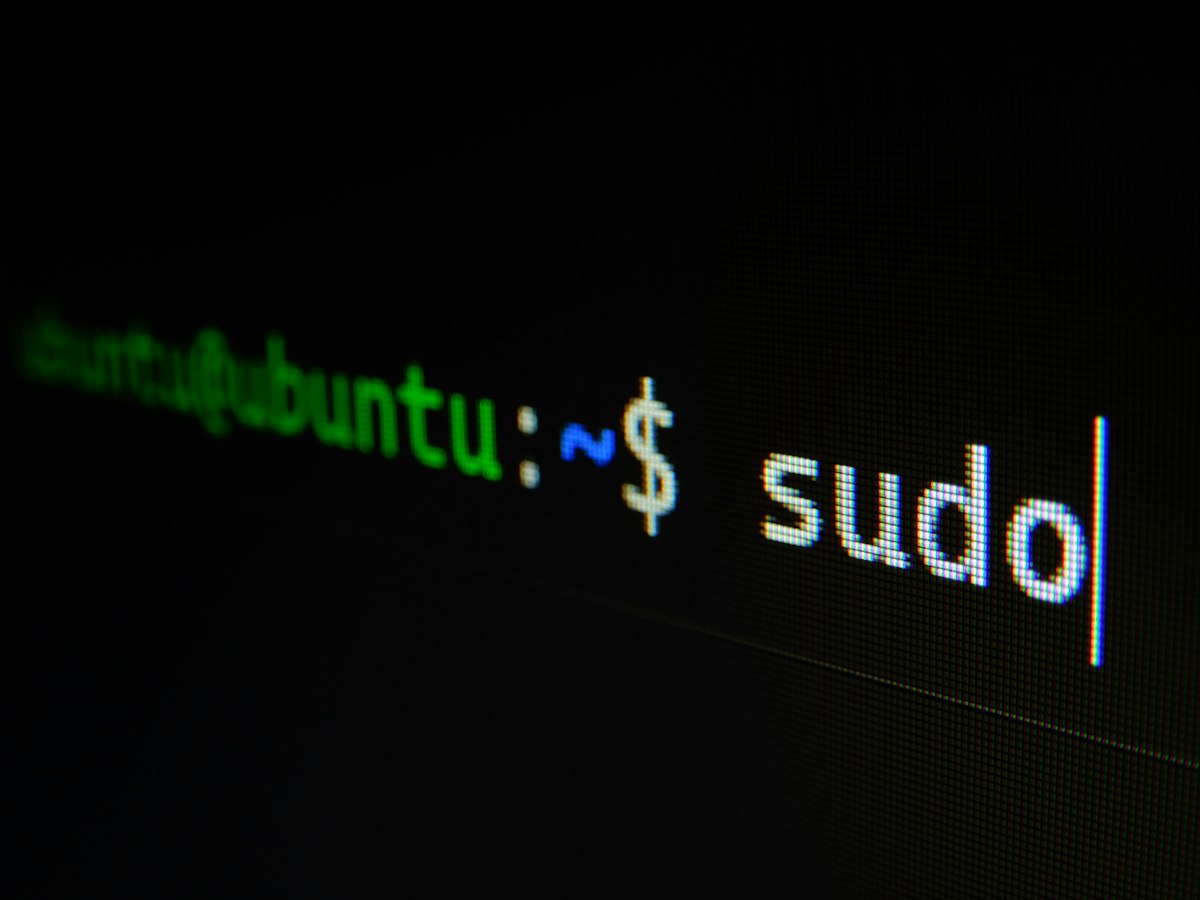
Ubuntu began its transition towards Rust-based utilities in 2025, a move driven by the memory-related security benefits of Rust. The adoption of Rust-based replacements for core command-line utilities like ls, cp, and mv, as well as the introduction of sudo-rs, marked a significant shift in Ubuntu's approach to security.
While the transition wasn't entirely smooth, with some bugs and edge-case issues arising, it demonstrated Ubuntu's ongoing commitment to evaluating and adopting newer technologies where they make sense and based on merit.
2. GNOME Upgrades: Double Trouble
Users of Ubuntu were treated to two new GNOME releases in 2025 GNOME 48 in Ubuntu 25.04 and GNOME 49 in Ubuntu 25.10. Each release brought a host of new features, interface tweaks, performance improvements, and more.
GNOME 48 introduced screen-time management, options to extend laptop battery life, notification grouping, and HDR support. GNOME 49, on the other hand, brought media and power controls to the lock screen, improved accessibility features, a revamped search experience in Nautilus, new UI animations, and a mega Mutter update with smarter, sharper fractional scaling.
3. The X11 Session: A Thing of the Past (Sort Of)
In a move that signified the direction of travel, Ubuntu 25.10 removed the X11 session from its desktop installations. This change was not Ubuntu's decision per se, as GNOME developers disabled the ability to run the desktop on X11/Xorg in GNOME 49 and removed the code entirely in GNOME 50.
Despite some confusion surrounding this change, it's important to note that most software that relies on X11/Xorg will work on Wayland via Xwayland. X11/Xorg packages are available in the Ubuntu repositories, and those who can't or don't want to use Wayland don't need to abandon Ubuntu.
4. Monthly Development Snapshots and Dangerous Builds
Ubuntu introduced monthly development snapshots and dangerous builds in 2025. These changes were aimed at making the release process more reliable and freeing up engineers and testers to work on other things. Whether this goal will be achieved in the long term remains to be seen.
Relevance to North East India and Broader Indian Context
The advancements made by Ubuntu in 2025 have far-reaching implications for the technology landscape in India, including the North East region. As a popular open-source operating system, Ubuntu's continuous innovation and commitment to security contribute to the growth of the open-source community in India and beyond.
Looking Ahead: Ubuntu's Future
With Ubuntu 26.04 LTS on the horizon, the groundwork laid in 2025 will play a crucial role in shaping the future of this operating system. As Ubuntu continues to evolve and adapt to the ever-changing technological landscape, it remains a beacon of innovation and progress in the open-source world.