Why Vande Mataram s 150-Year Legacy Matters for India s Cultural Identity
The 150th anniversary of Vande Mataram, India s National Song, is more than a historical milestone it is a moment to reflect on how cultural symbols shape national consciousness. In a region like Northeast India, where diverse identities intersect, understanding the roots and relevance of such symbols becomes crucial. A recent media dialogue in Majuli, Assam, organised by the Press Information Bureau (PIB) Guwahati, brought together journalists, academics, and public representatives to explore the song s enduring significance. The event underscored how Vande Mataram transcends its colonial origins to embody collective aspirations, while also highlighting the role of media in preserving and disseminating such heritage.
The Song as a Living Force of National Consciousness
From Literary Masterpiece to National Symbol
Vande Mataram, penned by Bankim Chandra Chatterjee in 1875, was not originally conceived as a national anthem but as a literary expression of devotion to the motherland. Its inclusion in Chatterjee s novel Anandmath (1882) gave it a narrative context one of resistance and reverence. The song s adoption as India s National Song in 1950 formalised its status, but its power lies in its ability to evoke emotion beyond official recognition. Bhuban Gam, the MLA from Majuli, described it as a "mantra" that channels energy, resolve, and devotion to "Maa Bharati," connecting generations to India s historical struggles and dreams.
Debajit Saikia, Principal of Majuli College, expanded on this idea by dissecting the song s literary and philosophical layers. He emphasised that its opening lines "Sujalam Suflaam Malayaj-Sheetalam, Sasyashyalamam Mataram" paint a vivid portrait of India s natural abundance, a theme that resonates deeply in a region like the Northeast, where the landscape itself is a source of cultural pride. Saikia noted that while the song emerged during colonial rule, its message has transcended time, becoming a timeless tribute to the land and its people.
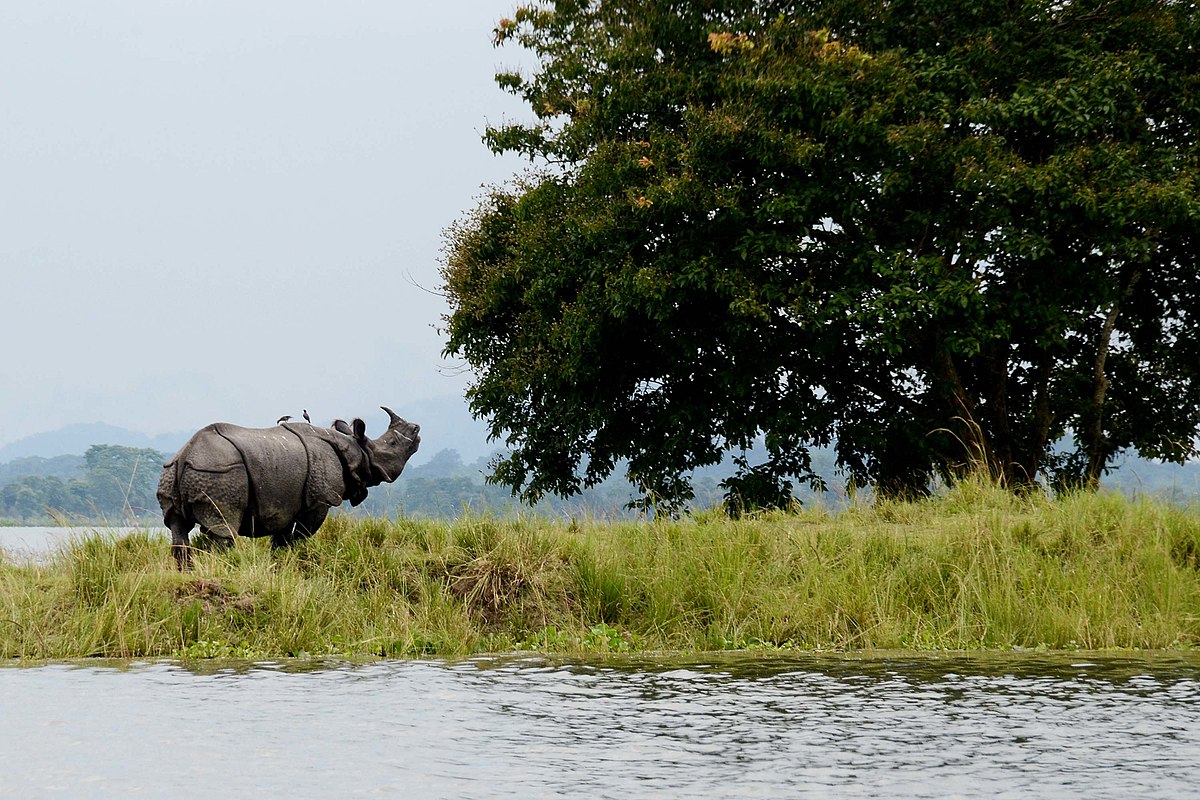 Image: Wikipedia - Assam