Amazon's GenAI Integration: A Deep Dive into Server Stability and Beyond
Introduction
Amazon, a titan in the realm of e-commerce and cloud services, has been aggressively integrating Generative Artificial Intelligence (GenAI) into its expansive array of offerings. This integration, however, is not without its share of challenges. This article delves into the complexities of Amazon's GenAI initiatives, with a particular focus on server stability and the broader implications for the tech industry.
Main Analysis
The Complex Landscape of GenAI Integration
The integration of GenAI into Amazon's ecosystem is akin to weaving a intricate tapestry. Each thread represents a different facet of the company's operations, from customer service to logistics and cloud computing. The primary challenge lies in ensuring that these threads do not tangle, causing disruptions in service.
GenAI technologies, by their nature, demand significant computational resources. This is where server stability becomes a critical factor. Servers are the backbone of any digital infrastructure, and their stability is paramount to the smooth functioning of GenAI applications.
Server Stability: The Achilles' Heel of GenAI
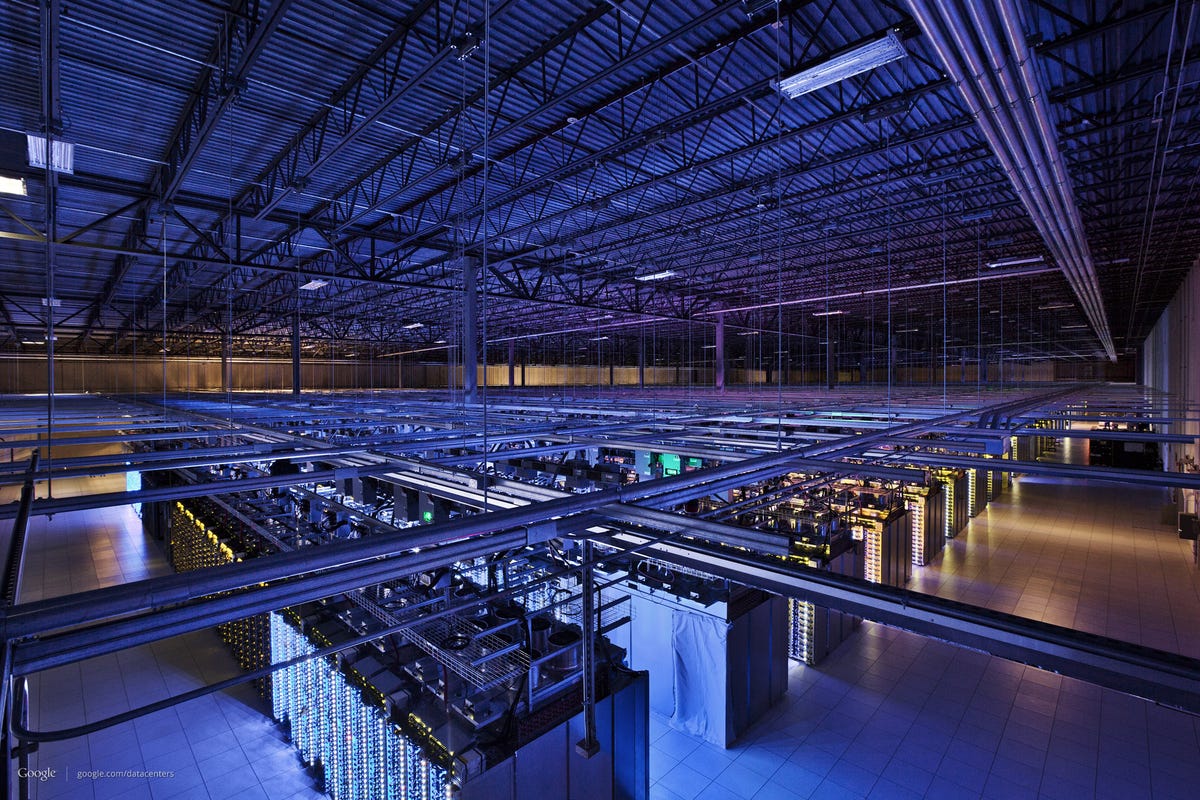
Server stability is not just about keeping the lights on; it's about ensuring that the servers can handle the immense computational load that GenAI technologies require. According to a report by IDC, the global spending on AI is expected to reach $500 billion by 2024, with a significant portion of this spending going towards infrastructure upgrades.
Amazon, with its vast cloud infrastructure, is at the forefront of this spending. The company's AWS (Amazon Web Services) division has been investing heavily in upgrading its servers to handle the demands of GenAI. However, the path to stable servers is fraught with challenges.
The Data Deluge
One of the key challenges is the management of vast data sets. GenAI technologies thrive on data, and the more data they have, the better they perform. However, managing these data sets is a Herculean task. According to a study by Statista, the global data sphere is expected to reach 175 zettabytes by 2025.
Amazon's servers need to be equipped to handle this data deluge. This involves not just increasing storage capacity, but also ensuring that the data can be accessed and processed quickly and efficiently. Any lag in data processing can have a cascading effect, leading to delays in service and a poor user experience.
AI-Assisted Error Detection: A Double-Edged Sword
Another area where Amazon has faced hurdles is the integration of AI-assisted error detection systems. These systems are designed to identify and rectify errors in real-time, thereby enhancing server stability. However, they can also be a double-edged sword.
If not properly calibrated, these systems can generate false positives, leading to unnecessary downtime. Conversely, if they are not sensitive enough, they can miss critical errors, leading to server crashes. Finding the right balance is a delicate act, one that Amazon is still in the process of perfecting.
Examples
Real-World Applications
To understand the practical applications of GenAI and the challenges it poses, let's look at some real-world examples. Amazon's recommendation engine, for instance, is a classic example of GenAI in action. This engine uses complex algorithms to analyze customer data and provide personalized recommendations.
However, the effectiveness of this engine is directly tied to the stability of the servers processing the data. Any disruption in service can lead to inaccurate recommendations, resulting in a poor customer experience. Similarly, Amazon's drone delivery service, Prime Air, relies heavily on GenAI for route optimization and real-time adjustments.
The stability of the servers managing these drones is crucial. A server crash could lead to delays in delivery or, worse, mid-air collisions. These examples underscore the critical role that server stability plays in the successful integration of GenAI.
Regional Impact
The challenges faced by Amazon in integrating GenAI have broader implications, particularly at the regional level. For instance, Amazon's data centers are spread across the globe, with significant presence in regions like North America, Europe, and Asia Pacific.
Each of these regions has its unique set of challenges, from regulatory hurdles to infrastructure limitations. In Europe, for instance, stringent data protection laws can make it difficult to manage and process large data sets. In contrast, regions like Asia Pacific may face challenges related to infrastructure and connectivity.
Amazon's ability to navigate these regional challenges will have a significant impact on the global rollout of GenAI technologies. It will also set a precedent for other companies looking to integrate GenAI into their operations.
Conclusion
Amazon's journey in integrating GenAI into its ecosystem is a testament to the complexities and challenges of adopting advanced AI technologies. Server stability, data management, and AI-assisted error detection are just some of the hurdles that the company has faced.
However, the broader implications of these challenges extend far beyond Amazon. They provide valuable insights into the practical applications of GenAI and the regional impact of its integration. As the global spending on AI continues to rise, the lessons learned from Amazon's experience will be invaluable for the tech industry as a whole.
In conclusion, while the path to seamless GenAI integration is fraught with challenges, the potential benefits are immense. From enhancing customer experience to optimizing logistics, GenAI has the power to transform industries. The key lies in navigating the challenges effectively and ensuring that the infrastructure supporting these technologies is robust and stable.