The Future of Server Management: Harnessing AI for Operational Excellence
Introduction
In the rapidly evolving landscape of digital infrastructure, the integration of Artificial Intelligence (AI) in server management has transitioned from a futuristic concept to a practical necessity. As businesses become increasingly reliant on robust digital frameworks, the operational benefits of AI extend far beyond mere compliance, revolutionizing efficiency, security, and scalability. This article explores the multifaceted advantages of AI in server management, delving into its transformative potential and real-world applications.
Main Analysis: The Evolution of AI in Server Management
The journey of AI in server management has been marked by significant milestones, driven by the need to handle vast amounts of data and complex workloads more effectively. At its core, AI in server management involves the use of machine learning algorithms and predictive analytics to automate and optimize server operations. This shift is not just a technological advancement but a strategic imperative for businesses aiming to stay competitive in the digital age.
According to a recent report by Gartner, by 2025, over 75% of enterprises will have implemented AI-driven server management solutions. This statistic underscores the growing trend towards automated server operations, highlighting the critical role of AI in future-proofing digital infrastructure. The adoption of AI is not merely a response to current challenges but a proactive measure to anticipate and address future demands.
Predictive Maintenance: A Paradigm Shift
One of the primary advantages of AI in server management is its ability to predict and prevent issues before they occur. Traditional server management often relies on reactive measures, addressing problems only after they have caused disruptions. In contrast, AI-driven solutions employ predictive analytics to foresee potential issues and take preemptive actions. This proactive approach ensures that server operations remain smooth and uninterrupted, minimizing downtime and enhancing overall efficiency.
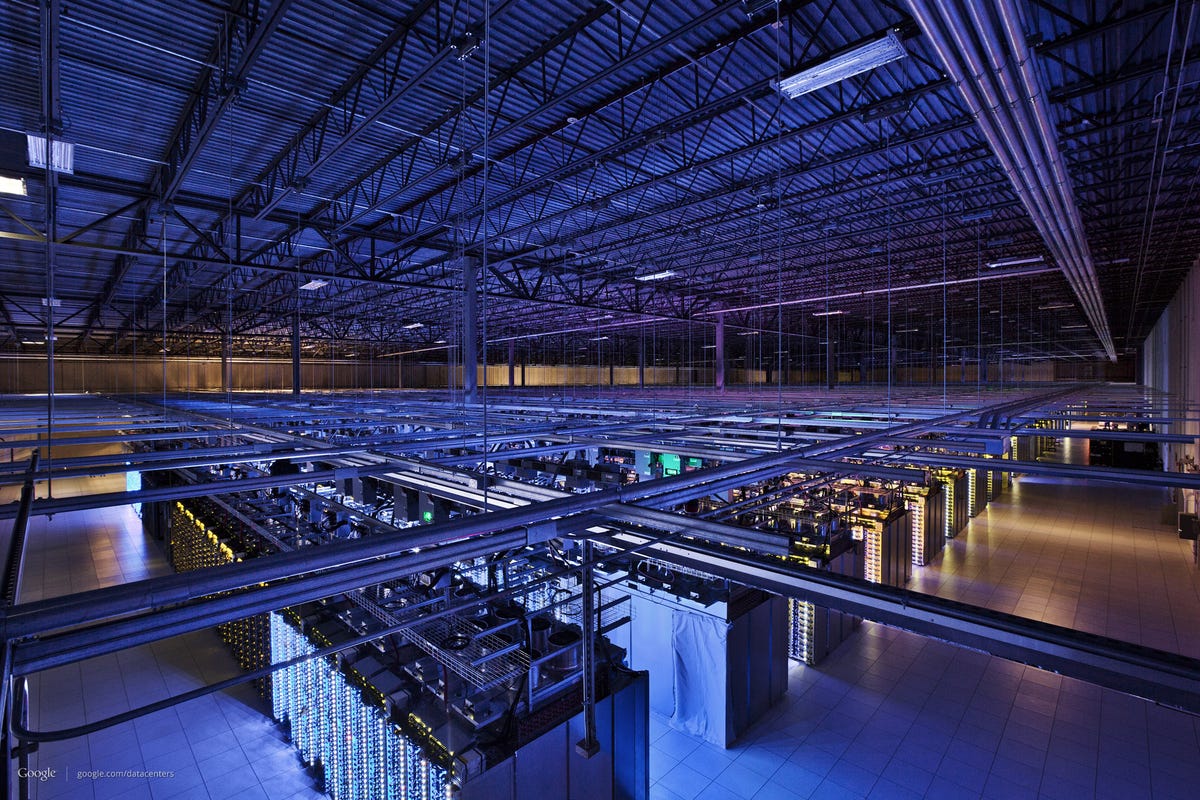
For instance, AI can analyze server performance metrics in real-time, identifying potential bottlenecks and allocating resources dynamically to ensure optimal performance. This capability is particularly crucial in industries where server uptime is critical, such as finance and healthcare. A case in point is Google's use of AI to manage its data centers, which has resulted in a 40% reduction in energy consumption. This example illustrates the tangible benefits of AI in server management, not only in terms of operational efficiency but also in sustainability and cost savings.
Enhancing Security: AI as a Guardian
In an era where cyber threats are increasingly sophisticated, AI plays a pivotal role in enhancing server security. Traditional security measures, while essential, often fall short in detecting and mitigating advanced threats. AI-driven security solutions, on the other hand, can analyze vast amounts of data to identify anomalies and potential threats in real-time. This capability allows for immediate response and containment, significantly reducing the risk of data breaches and other security incidents.
Moreover, AI can adapt and learn from emerging threats, continuously improving its ability to protect server infrastructure. This adaptability is a key advantage in the ever-evolving landscape of cybersecurity, where static defenses are no longer sufficient. By integrating AI into server management, businesses can build a more resilient and secure digital infrastructure, better equipped to withstand the challenges of the future.
Scalability and Flexibility: AI's Role in Growth
As businesses grow, so does their need for scalable and flexible server solutions. AI-driven server management excels in this area, providing the scalability required to support expanding operations. By automating resource allocation and optimization, AI ensures that server infrastructure can adapt to changing demands without compromising performance.
This scalability is particularly beneficial for startups and growing enterprises, where rapid expansion can strain traditional server management systems. AI-driven solutions can dynamically allocate resources based on real-time demand, ensuring that businesses can scale efficiently without incurring unnecessary costs. This flexibility is a critical advantage in today's competitive business environment, where agility and adaptability are key to success.
Real-World Examples: AI in Action
The benefits of AI in server management are not just theoretical; they are already being realized in various industries. For example, in the retail sector, AI-driven server management has enabled e-commerce platforms to handle peak traffic during sales events without experiencing downtime. This has resulted in improved customer satisfaction and increased sales, demonstrating the direct impact of AI on business outcomes.
In the healthcare industry, AI-driven server management has ensured the seamless operation of critical systems, such as electronic health records and telemedicine platforms. This reliability is crucial in an industry where server downtime can have life-threatening consequences. By leveraging AI, healthcare providers can ensure that their digital infrastructure is robust and reliable, supporting better patient care and outcomes.
Regional Impact: AI's Global Reach
The adoption of AI in server management is not confined to specific regions; it is a global phenomenon with far-reaching implications. In developed economies, AI is driving innovation and efficiency, enabling businesses to stay competitive in a rapidly changing market. In emerging markets, AI is facilitating digital transformation, helping businesses overcome infrastructure challenges and accelerate growth.
For instance, in Asia, the adoption of AI in server management has been instrumental in supporting the region's digital economy. With a growing number of tech startups and e-commerce platforms, the demand for reliable and efficient server management solutions is higher than ever. AI-driven solutions are meeting this demand, providing the scalability and flexibility needed to support rapid growth.
In Africa, AI is playing a crucial role in bridging the digital divide. By enabling more efficient and cost-effective server management, AI is making digital infrastructure more accessible to businesses and communities. This accessibility is essential for driving economic development and fostering innovation in the region.
Conclusion: Embracing the Future of Server Management
The integration of AI in server management is not just a technological trend; it is a strategic necessity for businesses aiming to thrive in the digital age. By enhancing efficiency, security, and scalability, AI-driven solutions are transforming server management, providing a competitive edge in an increasingly complex and demanding market.
As the adoption of AI continues to grow, businesses that embrace this technology will be better equipped to navigate the challenges of the future. From predictive maintenance to enhanced security and scalability, the benefits of AI in server management are clear and compelling. By harnessing the power of AI, businesses can build a more resilient and efficient digital infrastructure, paving the way for sustained growth and success.