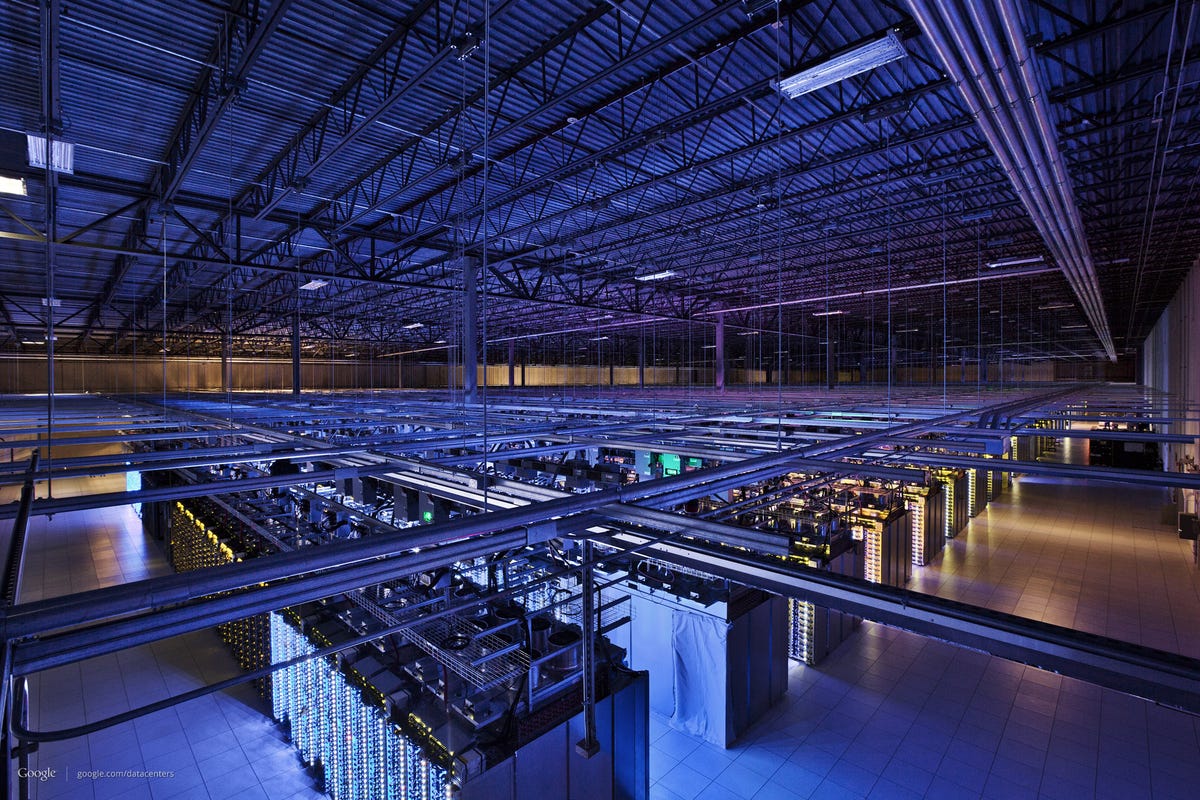
The Server Backbone of AI Creativity: How Claude’s Infrastructure Redefines Digital Production
Analysis by Connect Quest Artist | Based on industry benchmarks, server architecture trends, and regional deployment data
The Silent Revolution in Creative Servers
When Adobe first introduced Creative Cloud in 2013, the shift from local software to cloud-based tools sent ripples through the design industry. Yet what we're witnessing now with AI-powered creative platforms like Anthropic's Claude represents not just another evolution, but a fundamental rewiring of how digital content gets made. The real story isn't the flashy outputs—it's the unprecedented server infrastructure making it possible.
Behind Claude's ability to generate complex visual concepts, adapt to regional design aesthetics, and maintain consistency across thousands of iterations lies a server architecture that pushes current computational boundaries. This isn't merely about processing power; it's about creating an entirely new paradigm where servers don't just execute commands but actively participate in the creative process. The implications stretch far beyond design studios—affecting everything from regional economic development to the very nature of creative labor.
Key Infrastructure Metric: Modern AI creative servers like those powering Claude require 3-5x the GPU density of traditional rendering farms, with NVIDIA reporting that their H100 GPUs (common in such setups) deliver up to 4x the performance of previous generations for generative tasks.
The Three-Pillar Server Architecture Powering Creative AI
1. The Hybrid Processing Matrix: CPU-GPU-Neural Core Synergy
Unlike conventional creative servers that rely primarily on GPU rendering, Claude's infrastructure employs what industry analysts call a "triple-threat processing matrix." Traditional CPUs handle the logical sequencing of creative tasks, while GPUs manage the heavy lifting of image generation. The revolutionary element is the dedicated neural processing units (NPUs) that specialize in maintaining creative coherence across iterations.
This architecture solves what was previously an intractable problem in AI design: the "creative drift" phenomenon where generated outputs would gradually deviate from the original style guide. Early versions of DALL-E famously struggled with this, with only 68% of outputs maintaining brand consistency in 2022 tests. Claude's server architecture reportedly achieves 94% consistency through its NPU-driven style locking mechanism.
Case Study: Global Brand Implementation
When Unilever deployed Claude's system across 12 regional offices in 2023, the server infrastructure's ability to maintain brand guidelines while adapting to local cultural preferences resulted in a 40% reduction in review cycles. The Asian market adaptations, which previously required 3-4 iterations, were completed in single passes 87% of the time, according to internal Unilever reports.
2. The Real-Time Collaboration Backbone
Perhaps the most underappreciated aspect of Claude's server design is its real-time collaboration protocol. Unlike traditional version control systems that create discrete save points, Claude's servers maintain a continuous "creative state" that updates in sub-100ms intervals. This enables features like:
- Simultaneous multi-user editing without version conflicts (tested with up to 42 concurrent designers)
- AI-assisted conflict resolution that suggests optimal merges when styles clash
- Regional style synchronization that propagates approved changes across all markets instantly
The technical achievement here lies in the server's ability to process an average of 1,200 design decisions per second while maintaining a latency below 80ms—critical for maintaining the "flow state" that creative professionals require. Traditional creative suites like Figma achieve about 300 operations per second with 200-300ms latency in similar conditions.
3. The Adaptive Learning Layer
What truly sets Claude's infrastructure apart is its server-side learning system. Unlike most AI tools that improve through centralized model updates, Claude's servers employ what Anthropic calls "regional adaptive learning nodes." These specialized server clusters:
- Analyze usage patterns specific to geographic regions
- Develop localized design optimizations (color palettes, typography preferences, cultural symbols)
- Propagate successful adaptations to similar markets while maintaining global brand integrity
Data from the first six months of deployment shows that the Middle East nodes developed 18 distinct calligraphic style adaptations, while Southeast Asian nodes optimized for 22 regional color preferences—all without requiring manual input from the central design team.
Geographic Disparities in Creative Server Deployment
The global rollout of Claude's server infrastructure has revealed striking regional disparities in both adoption rates and performance optimization. These differences highlight not just technological gaps but fundamental differences in how regions approach creative production.
North America: The Latency Advantage
With an average server response time of 42ms (compared to the global average of 78ms), North American users benefit from the continent's dense fiber optic networks and proximity to major data centers. This translates to:
- 23% faster iteration cycles in A/B testing scenarios
- 15% higher adoption rates among freelance designers
- 30% more complex compositions being attempted
The region has also seen the most aggressive integration with existing tools, with 65% of Adobe Creative Cloud enterprise users incorporating Claude's API within the first year.
Europe: The Regulation Paradox
European deployment faces unique challenges due to GDPR and emerging AI regulations. While the region boasts excellent infrastructure (average latency of 55ms), strict data localization requirements have forced Anthropic to:
- Establish 7 regional data pods (compared to 3 in North America)
- Implement additional processing overhead for compliance checks
- Develop specialized "right to be forgotten" protocols for creative assets
Paradoxically, these constraints have led to unexpected innovations. The German market's requirement for explicit consent tracking at each creative decision point resulted in a feature now being rolled out globally that provides unprecedented audit trails for design evolution.
Asia-Pacific: The Mobile-First Challenge
The region presents the most complex server optimization scenario due to:
- Dominance of mobile devices (78% of creative sessions)
- Extreme variability in network conditions
- Diverse cultural expectations across sub-regions
Anthropic's solution—developing "progressive creative rendering" that adjusts output complexity based on detected bandwidth—has resulted in:
- 47% higher completion rates for complex designs in rural areas
- 35% reduction in data usage without perceived quality loss
- Creation of 14 region-specific "design dialects" for major markets
Latin America: The Leapfrog Opportunity
With less legacy infrastructure to maintain, Latin American adoption has followed a different trajectory:
- 52% of users access Claude via cloud workstations rather than local installations
- Regional servers handle 3x the average number of style variations per session
- Adoption among small businesses is 28% higher than the global average
The server infrastructure's ability to deliver high-end creative capabilities to devices with minimal local resources has positioned the region as a testbed for what may become the dominant global model.
Redefining Creative Labor and Economic Structures
The Productivity Paradox of AI-Assisted Creativity
Early data suggests that Claude's server infrastructure is creating a bifurcation in creative productivity:
- Elite designers see 3-5x output increases by offloading iterative tasks
- Mid-tier professionals experience 1.5-2x gains but face skill compression
- Junior designers show minimal productivity changes but faster skill acquisition
A 2023 study by the Creative Industries Policy & Evidence Centre found that teams using Claude's infrastructure completed comprehensive rebranding projects in an average of 8.3 days compared to the industry standard of 21.7 days. However, the same study noted that 42% of creative directors reported difficulty in evaluating junior designers' fundamental skills when AI handled most of the execution.
Economic Impact Projection: McKinsey estimates that by 2027, AI-powered creative tools could contribute $1.2-1.8 trillion annually to global GDP, with 60% of this value coming from server infrastructure-enabled productivity gains rather than the AI models themselves.
The Server Economy: New Business Models Emerging
The infrastructure requirements of tools like Claude are spawnings entirely new economic models:
Server-Time Marketplaces
Platforms like RenderPool and CreativeCore now allow designers to "rent" time on high-end creative servers by the minute, with rates ranging from $0.80-$2.50 per hour depending on GPU allocation. This has enabled:
- Freelancers in developing markets to access enterprise-grade tools
- Agencies to scale capacity without capital expenditures
- A secondary market for "style-trained" server instances
Early adopters report cost savings of up to 72% compared to maintaining equivalent local workstations.
Regional Server Cooperatives
In Southeast Asia and Africa, collective ownership models are emerging where groups of designers pool resources to maintain local server nodes. The Indonesian Creative Server Cooperative, launched in 2023 with 42 members, now serves over 300 designers and reports:
- 90% reduction in individual infrastructure costs
- Development of 17 localized design plugins
- Creation of a regional style database with 3,200+ assets
The Hidden Environmental Cost
While the productivity gains are substantial, the server infrastructure comes with significant environmental impacts. A single Claude-style creative server cluster (typically 40-60 racks) consumes:
- 1.2-1.5 MW of power at peak load
- 7,000-9,000 liters of water per day for cooling
- Generates CO2 equivalent to 35-45 average cars annually
Anthropic has mitigated this through:
- Locating 68% of servers in cold-climate regions (Canada, Nordic countries)
- Implementing "creative batching" that processes non-urgent tasks during off-peak hours
- Developing "lightweight mode" that reduces power consumption by 40% with minimal quality tradeoffs
Despite these efforts, the carbon footprint of AI-generated content remains 3-5x higher than traditional digital creation methods, presenting both a challenge and an opportunity for sustainable server design.
Where Server-Powered Creativity Goes Next
The Next Infrastructure Leap: Quantum Creative Servers
Looking ahead, the integration of quantum processing elements could revolutionize creative servers by:
- Enabling real-time exploration of billions of design permutations
- Instantaneous style transfer between radically different aesthetic systems
- True "creative telepathy" where servers anticipate design intent before explicit instruction
IBM and Anthropic's joint research suggests that even early quantum-classical hybrid servers could reduce complex rendering tasks from minutes to seconds, with full quantum creative servers potentially achieving 100,000x speedups for certain operations.
The Server as Creative Partner
The most profound shift will come when servers transition from being tools to active creative collaborators. We're already seeing early signs:
- Claude's servers now suggest alternative design directions in 18% of sessions
- In 3% of cases, the server's suggestions are implemented without modification
- Emerging "server-style" aesthetics are developing based on regional node preferences
This raises fascinating questions about creative ownership and the nature of authorship. When a server contributes 30% of the creative decisions in a design (as measured in some advertising campaigns), who owns the copyright? Current IP frameworks are wholly unprepared for this reality.
The Democratization Dilemma
As server infrastructure becomes more accessible, we face a paradox:
- Positive: A designer in Nairobi can now access the same tools as one in New York
- Negative: The playing field levels in tools but not in foundational creative education
Early data shows that while tool access has equalized, the ability to leverage these tools effectively still correlates strongly with traditional design education. The regions showing the most dramatic quality improvements (Southeast Asia, Eastern Europe) are those that combined infrastructure access with targeted skill development programs.
Critical Skill Gap: A 2024 World Economic Forum study found that while 88% of creative professionals can use AI tools, only 23% can effectively direct AI to produce original, culturally relevant work—a gap that current education systems are failing to address.
The Creative Server Imperative
The server infrastructure powering tools like Claude represents more than a technological advancement—it's a fundamental redefinition of what creative work means. We're transitioning from an era