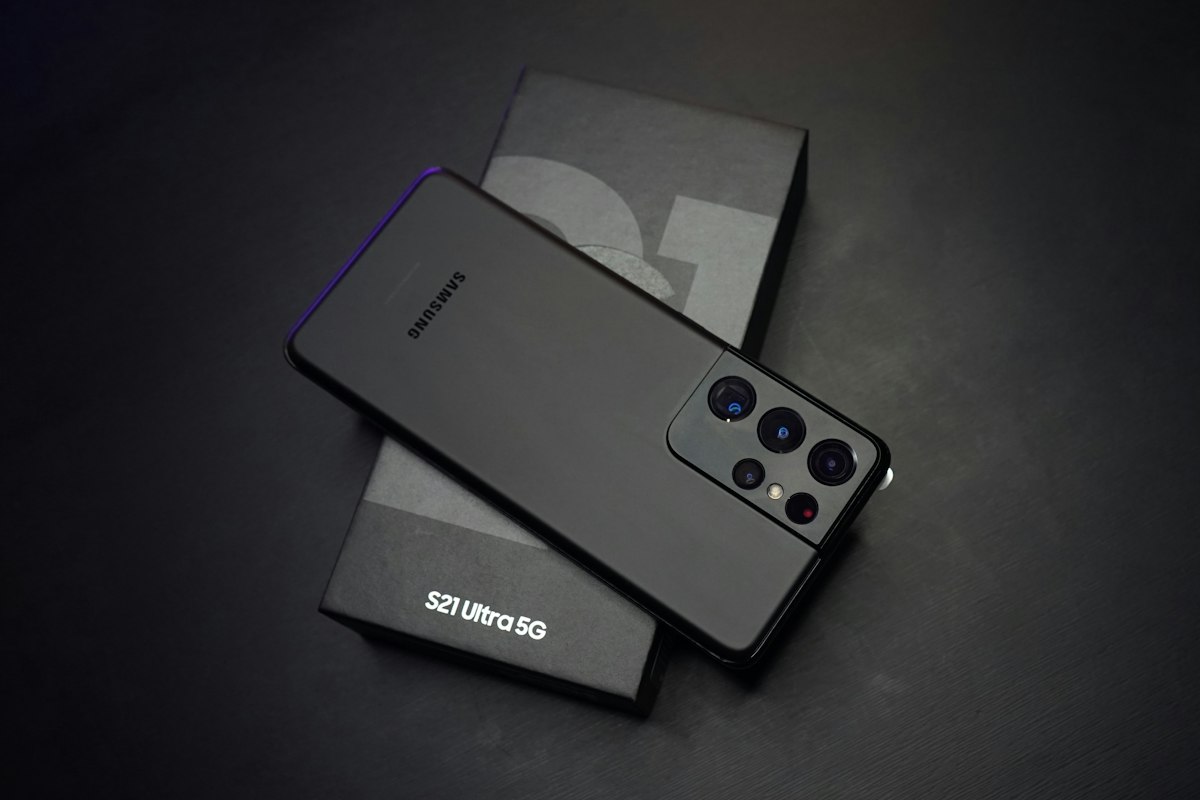
Samsung's Price Strategy for Galaxy S26: A Battle Against Rising Costs
In a move aimed at countering the challenges posed by rising component costs, tariffs, and a DRM shortage, Samsung has decided to maintain the starting price of its upcoming Galaxy S26 lineup. This strategic decision, if confirmed, will mark the fourth consecutive year that the South Korean tech giant has avoided increasing the prices of its flagship phones.
The Cost Factors
The ongoing DRM (Digital Rights Management) shortage, increasing component costs, and tariffs have put pressure on Samsung to increase the starting price of its upcoming Galaxy S26 lineup. However, the company seems to have opted for a 10-15% hit to its profit margins to keep the prices the same as its predecessor, the Galaxy S25.
Regional Implications
The price freeze is likely to apply only to the US market, with Samsung planning to increase prices in South Korea, Europe, and other Asian markets due to local economic factors. For consumers in Northeast India, this decision could lead to a more competitive smartphone market, as other manufacturers may follow suit to maintain their market share.
A Trend in Pricing for Flagship Devices
If Samsung manages to keep pricing unchanged, it would set a trend for other smartphone manufacturers, especially in the face of Apple's decision to keep the iPhone 17's price intact. This could potentially benefit consumers in the long run, as it may lead to a more price-competitive market for flagship devices.
The Impact on Mid-Range Devices
Unfortunately, the price freeze does not extend to Samsung's mid-range Galaxy A phones. With slimmer profit margins on these models, the company is forced to increase prices to offset the steep rise in component costs. This price increase, however, may not be accompanied by meaningful hardware upgrades, potentially leaving consumers dissatisfied.
Reflections and Future Outlook
Samsung's decision to maintain the prices of its flagship devices while increasing the prices of mid-range models highlights the delicate balance between profit margins and consumer expectations. As the smartphone market continues to evolve, manufacturers will need to find innovative ways to deliver value to consumers while managing rising costs.