TECHNOLOGY
Analysis: Images show Galaxy S26 Ultra might stay stuck in the past
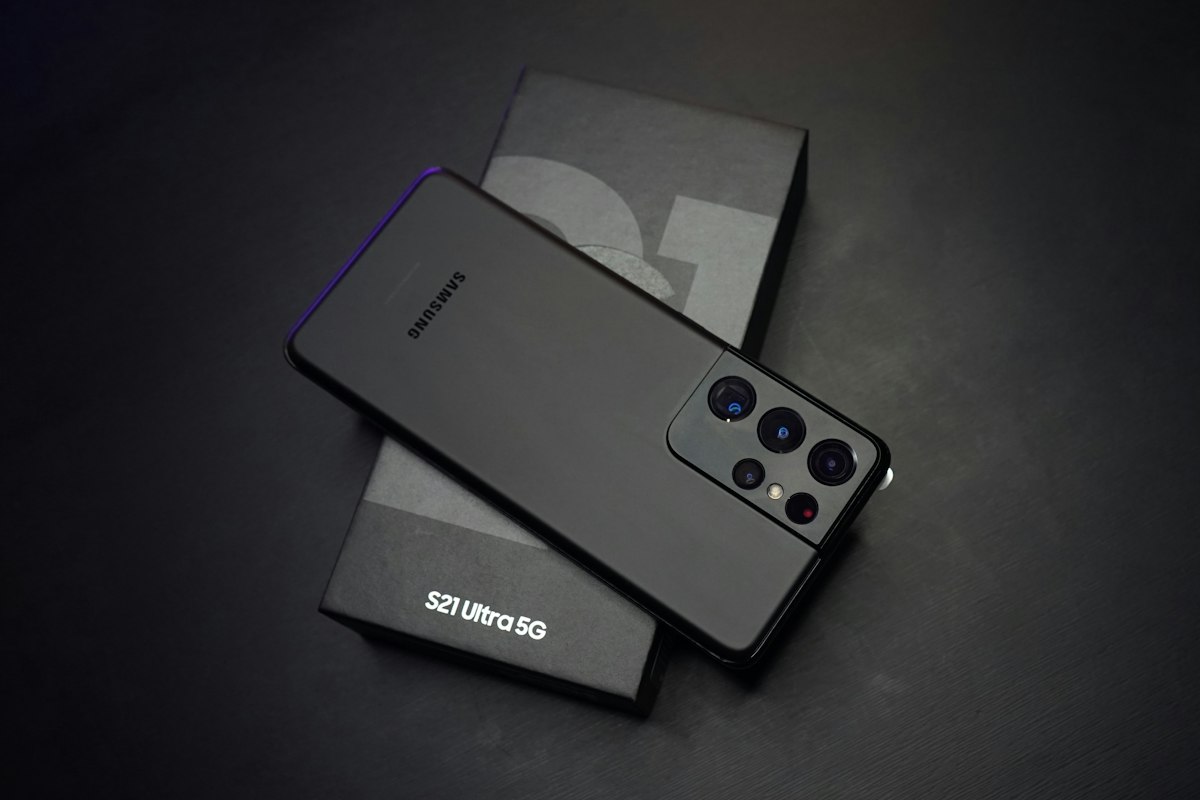 Image: Stock - Samsung
**The Galaxy S26 Ultra: A Missed Opportunity for Innovation in a Rapidly Evolving Market** **Introduction** The smartphone industry is a relentless arena where innovation is not just rewarded it s expected. As consumers demand cutting-edge technology, manufacturers are under constant pressure to deliver devices that push boundaries. Samsung, a global leader in this space, has long been synonymous with innovation, particularly with its flagship Galaxy S series. However, recent leaks and rumors surrounding the Galaxy S26 Ultra suggest that the device may fall short of expectations, potentially leaving it stuck in the past. This analysis explores the implications of this stagnation, focusing on practical applications, regional impact, and the broader market dynamics. **Main Analysis** The Galaxy S26 Ultra, based on leaked images and speculative reports, appears to be more iterative than revolutionary. While Samsung has historically set benchmarks with each new release, the S26 Ultra seems to retain design elements and features reminiscent of its predecessors. This lack of innovation could be a strategic misstep in a market where competitors like Apple, Xiaomi, and Google are aggressively introducing groundbreaking technologies. One of the most striking observations from the leaks is the device s design. The S26 Ultra is rumored to maintain a similar aesthetic to the S25 Ultra, with minor tweaks to the camera module and display. While consistency has its merits, it risks making the device feel outdated in a market where design is as critical as functionality. For instance, Apple s iPhone 15 Pro introduced a titanium frame and a more streamlined design, setting a new standard for premium smartphones. Samsung s decision to play it safe could alienate consumers seeking a fresh, modern look. In terms of features, the S26 Ultra is expected to include incremental upgrades such as a slightly faster processor, improved camera sensors, and enhanced battery life. While these improvements are welcome, they pale in comparison to the transformative innovations seen in other flagship devices. For example, Xiaomi s Mix Fold 3 introduced a lightweight foldable design, while Google s Pixel 8 Pro emphasized AI-driven photography. Samsung s reliance on incremental updates may not be enough to justify the premium price tag of the S26 Ultra. **Regional Impact** The potential stagnation of the Galaxy S26 Ultra could have significant regional implications, particularly in markets where Samsung holds a dominant position. In Asia, for instance, Samsung commands a 20% market share, according to Counterpoint Research. However, this dominance is increasingly under threat from Chinese manufacturers like Oppo and Vivo, which offer feature-rich devices at competitive prices. If the S26 Ultra fails to impress, it could accelerate Samsung s decline in these regions. In North America and Europe, where Apple dominates with a 50% and 25% market share respectively, Samsung s inability to innovate could further widen the gap. Consumers in these regions are more likely to prioritize cutting-edge technology and design, areas where the S26 Ultra appears to fall short. **Practical Applications** The practical implications of Samsung s conservative approach extend beyond market share. For businesses and consumers, the lack of innovation in the S26 Ultra could limit its utility in emerging applications such as augmented reality (AR) and artificial intelligence (AI). Competitors like Apple and Google are integrating advanced AI capabilities into their devices, enabling features like real-time language translation and enhanced productivity tools. Samsung s failure to keep pace could render the S26 Ultra less appealing for professional and creative users. Moreover, the device s rumored lack of significant upgrades could impact its resale value. In a market where consumers increasingly opt for pre-owned devices, a smartphone that feels outdated at launch is unlikely to retain its value over time. **Examples of Missed Opportunities** Several areas highlight Samsung s missed opportunities with the S26 Ultra. First, the device is expected to retain the same 5,000mAh battery as its predecessor, despite advancements in battery technology that could enable longer life or faster charging. By comparison, the OnePlus 12 offers a 5,400mAh battery with 100W fast charging, setting a new benchmark for power efficiency. Second, the S26 Ultra s camera system, while improved, is unlikely to introduce revolutionary features like periscope lenses or advanced computational photography. This is in stark contrast to Huawei s P60 Pro, which features a variable aperture camera capable of adapting to various lighting conditions. **Conclusion** The Galaxy S26 Ultra, as it stands, risks being a missed opportunity for Samsung. In a market defined by rapid innovation, the device s iterative approach could leave it feeling like a relic of the past. While Samsung s brand loyalty and ecosystem strength may cushion the blow, the company cannot afford to rest on its laurels. Competitors are moving aggressively, and consumers are increasingly demanding devices that offer more than incremental upgrades. For Samsung to maintain its leadership, it must rethink its strategy for the S26 Ultra and future devices. Innovation, not iteration, will be the key to success in the ever-evolving smartphone market. Without it, even the most established players risk being left behind.