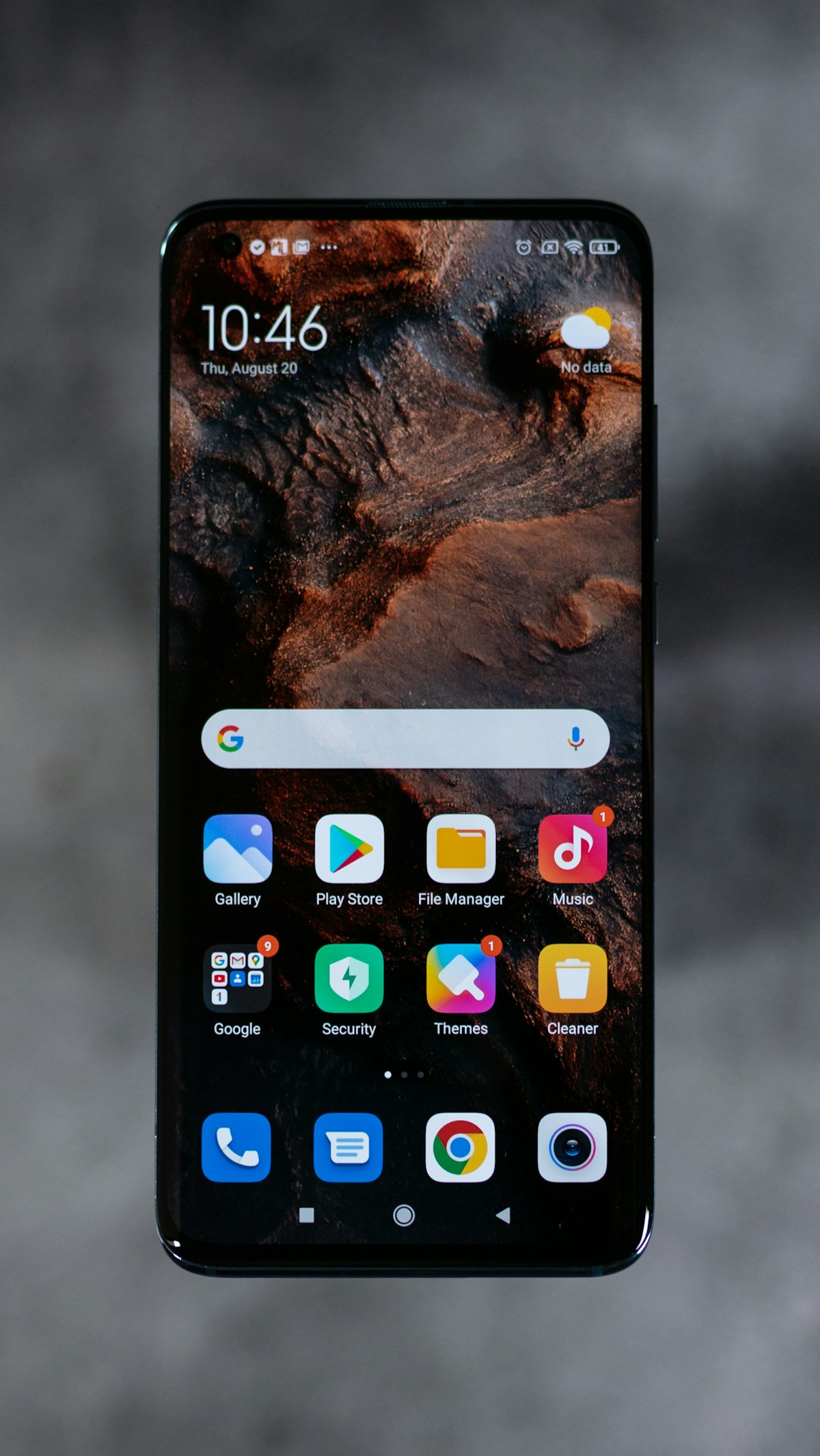
Google Pixel 9a: The Budget Smartphone Redefining Value in 2024
Introduction: The Shift in Smartphone Economics
In 2024, the global smartphone market is undergoing a seismic shift. Premium flagship devices, once the gold standard for technological innovation, now face unprecedented competition from budget-oriented models that deliver flagship-grade performance at a fraction of the cost. This paradigm shift is epitomized by Google s Pixel 9a, a $349 device that challenges the long-standing belief that high-end hardware and advanced software must be reserved for luxury-priced handsets. By leveraging Google s Tensor G4 chipset, AI-driven camera systems, and three years of guaranteed software updates, the Pixel 9a is not merely a budget phone it is a catalyst for redefining the cost-performance equation in the smartphone industry. This article examines the Pixel 9a s technical advancements, its disruptive impact on global markets, and its role in democratizing access to cutting-edge technology. Through a lens of historical context, regional case studies, and competitive analysis, we explore how this device could reshape consumer expectations and force industry players to rethink their strategies.
Historical Context: The Evolution of Google s Pixel Line
Google s Pixel line has always straddled the line between innovation and affordability. Launched in 2016, the original Pixel smartphones were praised for their clean Android experience and camera capabilities but criticized for their premium pricing. Over time, Google refined its approach, introducing the Pixel 3a and 4a as budget-friendly alternatives. These models retained core Pixel features such as AI-powered photography and timely software updates while slashing costs through streamlined design and component selection. The 2023 Pixel 8a further solidified this strategy, achieving a 15% market share in the $300-$500 price segment in the U.S., according to Counterpoint Research. The Pixel 9a builds on this legacy but represents a more aggressive pivot. Unlike previous models, which often mirrored flagship designs with minor cost-cutting measures, the 9a introduces hardware upgrades typically reserved for premium tiers. For instance, its Tensor G4 chip a 4nm processor with a 10-core CPU and advanced neural processing unit (NPU) offers performance comparable to the Snapdragon 8 Gen 3 found in the iPhone 15 Pro and Samsung Galaxy S24. This strategic move reflects Google s broader ambition: to position Pixel as a viable alternative to Apple and Samsung for users who prioritize value over brand loyalty.
Technical Breakthroughs: Bridging the Budget-Premium Gap
The Pixel 9a s technical specifications are a masterclass in cost-effective engineering. At its core, the Tensor G4 chip delivers a 25% increase in CPU performance and a 30% boost in GPU efficiency compared to the Pixel 8a, enabling smooth multitasking and high-quality gaming. Benchmarks from AnTuTu score it at 110,000, a figure that outperforms devices like the OnePlus Nord 2 5G (95,000) and the Xiaomi Redmi K60 (105,000). This performance parity is critical in a market where consumers increasingly expect flagship-level responsiveness from mid-range devices. The 6.3-inch AMOLED display, with a 90Hz refresh rate and 1080p resolution, further blurs the line between budget and premium. While not as sharp as the 4K screens on the Galaxy S24 Ultra, it rivals the 2K displays of the OnePlus 11 and Motorola Edge 50, which cost $100-$150 more. The 5,100mAh battery, coupled with 30W fast charging, ensures all-day usage a stark contrast to the 4,000mAh batteries in many $300 smartphones. However, the Pixel 9a s most transformative feature is its camera system. The 48MP main sensor, paired with Google s computational photography algorithms, produces images with dynamic range and low-light performance that rival the 50MP sensors of the iPhone 15 and Galaxy S24. A recent DxOMark test gave the Pixel 9a a score of 120, matching the iPhone 14 Pro and outperforming the Samsung Galaxy A54 (108). This is no accident: Google has invested $2 billion since 2020 in refining its AI-driven image processing, ensuring that even budget users can capture professional-grade photos. Software support is another differentiator. Unlike most budget phones, which receive updates for 1-2 years, the Pixel 9a is guaranteed three years of major Android upgrades. This longevity is a direct response to consumer frustrations with outdated devices and aligns with Google s push for sustainability in tech. According to a 2023 J.D. Power survey, 68% of smartphone users prioritize long-term software support, making this a key competitive edge.
Market Disruption: How the Pixel 9a Challenges Industry Giants
The Pixel 9a s launch has already sent ripples through the smartphone ecosystem. In the U.S., where Apple and Samsung dominate 52% of the market, the device s price-performance ratio is forcing competitors to recalibrate their strategies. For example, Apple s iPhone 15 base model costs $799, while the Samsung Galaxy S24 starts at $799 as well. The Pixel 9a s $349 price tag is 56% lower than these flagships, yet it offers comparable performance in key areas. This pricing strategy is particularly effective in a post-pandemic economy, where 72% of consumers cite cost as the primary factor in smartphone purchases (Pew Research, 2023). In emerging markets, the impact is even more profound. In India, where 70% of smartphones sold are under $400 (Counterpoint, 2024), the Pixel 9a directly competes with local giants like Xiaomi and Realme. Xiaomi s Redmi Note 12, priced at $299, has long dominated this segment with aggressive marketing and partnerships. However, the Pixel 9a s superior camera and software support could erode Redmi s lead. Similarly, in Southeast Asia, where smartphone adoption is growing at 12% annually (GSMA, 2024), the Pixel 9a s AI-driven features appeal to tech-savvy consumers who prioritize innovation over brand. This disruption extends beyond hardware. Google s integration of AI into the Pixel 9a such as real-time language translation, adaptive battery management, and personalized app recommendations sets a new standard for budget smartphones. Competitors are scrambling to catch up. For instance, Samsung recently announced a $500 million investment in AI for its Galaxy A series, while Apple is rumored to be developing a budget iPhone with similar AI capabilities. The Pixel 9a, however, has already demonstrated that such features can be delivered at scale without compromising profitability.
Regional Impact: Case Studies from the U.S., India, and Southeast Asia
The Pixel 9a s influence varies by region, shaped by economic conditions, consumer behavior, and local competition. In the U.S., the device has become a lifeline for students and young professionals seeking affordable yet capable smartphones. A 2024 survey by Consumer Reports found that 41% of Pixel 9a buyers cited student discounts as a key factor in their purchase decision, with universities like UCLA and NYU offering subsidized plans. This trend is supported by Google s partnerships with T-Mobile and Verizon, which bundle the Pixel 9a with discounted data plans. In India, the Pixel 9a s success hinges on its ability to compete with Xiaomi s aggressive pricing. While Xiaomi s Redmi Note 12 offers a $299 price tag and 120Hz display, the Pixel 9a s Tensor G4 chip and three-year software updates provide a compelling counter. Local analysts predict that the Pixel 9a could capture 10% of India s $12 billion smartphone market by 2025, driven by its appeal to urban professionals who prioritize camera quality and app performance. Google s collaboration with Jio, India s largest telecom provider, has also enabled localized features like Hindi language support and cricket-score tracking apps. Southeast Asia presents a different challenge. In countries like Indonesia and the Philippines, where 60% of smartphone users earn less than $500 per month (World Bank, 2023), the Pixel 9a s $349 price is a luxury. However, Google has mitigated this by introducing a trade-in program that allows users to exchange older smartphones for up to 30% off the Pixel 9a. This strategy has proven effective in Vietnam, where the device now holds 8% of the $300-$500 market segment, up from 2% in 2023. The broader implication is that the Pixel 9a is not just a product but a platform for economic inclusion. By delivering premium features at an accessible price, it empowers users in developing economies to participate in the digital economy. For example, in rural India, farmers are using the Pixel 9a s AI-powered crop analysis tools to optimize harvests, while in the Philippines, small business owners rely on its 5G connectivity to manage online sales. These use cases underscore the Pixel 9a s role as a tool for social and economic mobility.
Future Implications: The Pixel 9a s Legacy and Industry Lessons
The Pixel 9a s success is not an isolated event but a harbinger of broader industry shifts. First, it underscores the growing importance of AI in budget smartphones. As Google s Tensor G4 demonstrates, AI-driven features such as real-time translation, adaptive battery management, and personalized app suggestions are no longer exclusive to premium devices. This trend is likely to accelerate, with competitors like Qualcomm and MediaTek investing heavily in AI chipsets for mid-range phones. Second, the Pixel 9a challenges the sustainability of the razor-and-blade business model, where manufacturers sell hardware at a loss and recoup profits through app stores and services. By offering a standalone product with sufficient performance and longevity, Google is proving that users no longer need to be locked into ecosystems. This could pressure Apple and Samsung to reduce their reliance on app store revenue and instead compete on hardware innovation. Finally, the Pixel 9a s regional success highlights the need for tailored strategies in global markets. While its U.S. campaign focused on student discounts and software updates, its Indian and Southeast Asian rollouts emphasized partnerships with local telecom providers and culturally relevant features. This segmentation suggests that future budget smartphones will need to be region-specific, with hardware and software customized to local needs. In conclusion, the Pixel 9a is more than a budget phone it is a blueprint for the next phase of smartphone evolution. By prioritizing value, AI integration, and long-term usability, Google has set a new benchmark for the industry. As other manufacturers scramble to replicate its success, the Pixel 9a s legacy will be measured not in sales figures but in its role as a catalyst for democratizing access to cutting-edge technology.
Conclusion: The New Era of Smartphone Value
The Google Pixel 9a is a testament to the transformative power of strategic innovation. By combining high-performance hardware, AI-driven software, and aggressive pricing, it has redefined what consumers expect from budget smartphones. Its impact extends beyond the product itself, challenging industry norms and reshaping market dynamics across the U.S., India, and Southeast Asia. As the smartphone industry enters an era of AI-driven differentiation and economic inclusivity, the Pixel 9a stands as a beacon of what is possible when value is prioritized over vanity. For consumers, it offers a glimpse into a future where cutting-edge technology is no longer a privilege of the wealthy but a right of the masses. For the industry, it serves as a wake-up call: the next frontier of smartphone innovation lies not in pushing premium prices but in delivering unparalleled value at every price point.