Linux on the Desktop: A Journey from Northeast India
The Year of Linux on the Desktop
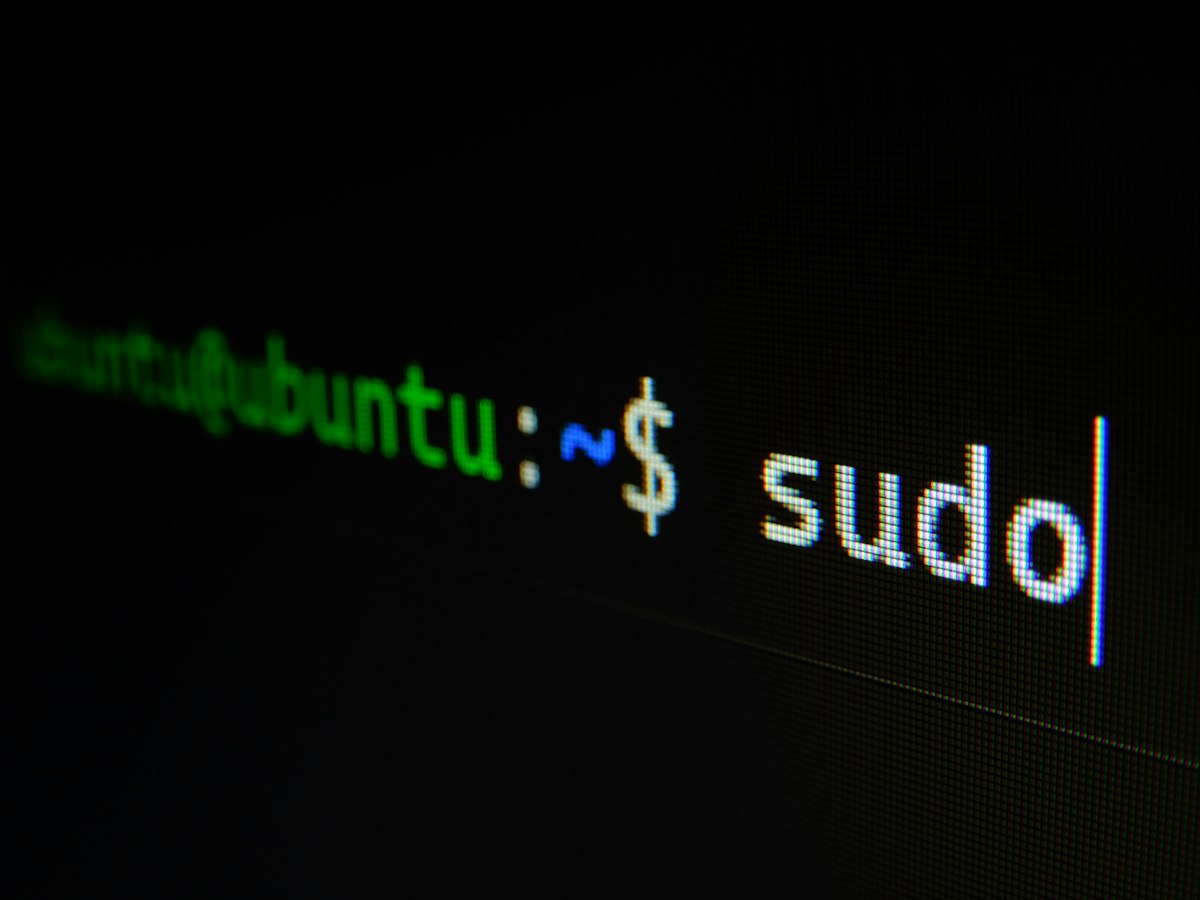
In the heart of Northeast India, a tech enthusiast embarked on an exciting journey in 2026. Nathan Edwards, a seasoned tech reviewer, decided to replace his Windows operating system with Linux. This decision, fueled by growing frustration with Microsoft's increasingly complex OS, marked the beginning of a new chapter in his digital life.
The Choice of CarchyOS
Edwards chose CarchyOS, an optimized Linux distribution for modern hardware, over more popular options like Ubuntu. Known for its ease of installation and gaming compatibility, CarchyOS seemed like the perfect choice for someone looking to maintain a smooth transition from Windows.
Installation and Initial Experiences
After backing up his Windows image, Edwards followed the installation instructions provided in the CarchyOS wiki. To his relief, the process was straightforward, and he was soon ready to explore his new Linux desktop.
Day-to-Day Experiences
Edwards' initial experiences with Linux were positive. Many tasks he anticipated to be challenging, such as getting his Nvidia graphics card to work, proved to be effortless. However, he did encounter a few unexpected issues, like a gaming mouse that only functioned within games. Despite these minor hiccups, he was able to use his Linux setup for work and even print documents from his troublesome printer.
Implications for Northeast India and Beyond
As more individuals and businesses in Northeast India adopt digital technologies, the shift towards open-source alternatives like Linux becomes increasingly relevant. Linux offers a cost-effective, secure, and customizable alternative to proprietary operating systems, making it an attractive choice for tech-savvy users seeking greater control over their digital environment.
Reflections and Future Steps
As Edwards continues his Linux journey, he reflects on the potential benefits and challenges of using Linux as his primary operating system. With each passing day, he gains more confidence in his ability to navigate this new digital landscape. Whether Linux can truly serve as a viable alternative to Windows remains to be seen, but one thing is certain: the journey promises to be an exciting one.