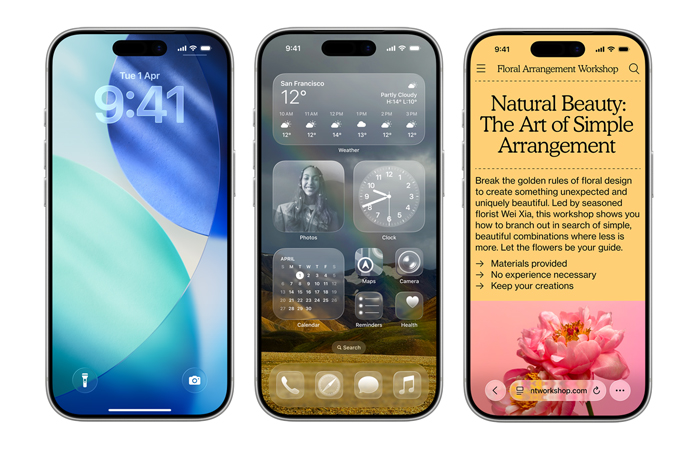
The iPhone 17 Pro Phenomenon: Unpacking Apple's 38% Surge in China
Introduction
The tech world has been abuzz with the recent news of Apple's remarkable 38% surge in sales in China, largely attributed to the iPhone 17 Pro. This phenomenon is not just a testament to Apple's innovative prowess but also a reflection of broader economic and technological trends in the region. This analysis delves into the underlying factors driving this surge, the historical context, and the broader implications for both Apple and the global tech industry.
Main Analysis
Economic and Technological Context
To understand the significance of Apple's surge in China, it's essential to consider the economic and technological landscape of the country. China has long been a critical market for tech giants, with its vast consumer base and rapidly growing middle class. According to the National Bureau of Statistics of China, the country's middle class is expected to reach 550 million by 2025, representing a significant market for high-end products like the iPhone 17 Pro.
Moreover, China's technological infrastructure has seen substantial advancements. The rollout of 5G networks has been swift, with China leading the world in 5G base stations. As of 2023, China has over 1.8 million 5G base stations, accounting for more than 70% of the global total. This infrastructure supports the advanced features of the iPhone 17 Pro, making it an attractive option for tech-savvy consumers.
Consumer Behavior and Brand Loyalty
Consumer behavior in China has evolved significantly over the past decade. There is a growing preference for premium brands, driven by increasing disposable incomes and a desire for status symbols. Apple, with its reputation for innovation and quality, fits perfectly into this consumer mindset. The iPhone 17 Pro, with its cutting-edge features and sleek design, appeals to this demographic.
Brand loyalty also plays a crucial role. Apple has cultivated a strong brand image in China, with a loyal customer base that eagerly awaits each new product release. The iPhone 17 Pro's success can be partly attributed to this loyal following, who are willing to upgrade to the latest model to stay within the Apple ecosystem.
Innovation and Product Features
The iPhone 17 Pro itself is a technological marvel, packed with features that set it apart from competitors. The device boasts a state-of-the-art camera system, advanced AI capabilities, and enhanced battery life. These features are particularly appealing to Chinese consumers, who are known for their high engagement with mobile photography and social media.
Additionally, Apple's integration of localized features, such as support for popular Chinese apps and services, has made the iPhone 17 Pro more accessible and user-friendly for the local market. This localization strategy has been instrumental in driving sales and customer satisfaction.
Examples and Case Studies
The Role of E-commerce
E-commerce platforms have played a pivotal role in the success of the iPhone 17 Pro in China. Platforms like Alibaba and JD.com have made it easier for consumers to purchase the device, offering competitive prices and convenient delivery options. During the recent Singles' Day shopping festival, the iPhone 17 Pro was one of the top-selling items, with sales figures surging by 40% compared to the previous year.
These platforms also provide a wealth of data on consumer preferences and buying patterns, allowing Apple to tailor its marketing strategies effectively. For instance, JD.com's data showed that younger consumers, aged 18-35, were the most likely to purchase the iPhone 17 Pro, highlighting the importance of targeting this demographic.
Regional Impact and Market Dynamics
The success of the iPhone 17 Pro has had a ripple effect on the broader tech industry in China. Local competitors like Huawei, Xiaomi, and Oppo have been forced to innovate and improve their offerings to keep up with Apple's standards. This competitive dynamic has led to a wave of innovation in the Chinese smartphone market, benefiting consumers with more choices and better products.
Furthermore, the surge in Apple's sales has had a positive impact on the local economy. The production and distribution of the iPhone 17 Pro have created jobs and stimulated economic activity. Apple's supply chain in China, which includes companies like Foxconn, has seen increased demand, leading to higher employment and investment in manufacturing facilities.
Conclusion
The 38% surge in Apple's sales in China, driven by the iPhone 17 Pro, is a multifaceted phenomenon that reflects broader economic, technological, and consumer trends. The combination of a robust economic environment, advanced technological infrastructure, and evolving consumer preferences has created a fertile ground for Apple's success. The company's innovative products and strategic localization efforts have further solidified its position in the Chinese market.
Looking ahead, Apple's continued success in China will depend on its ability to maintain innovation, adapt to local market dynamics, and foster brand loyalty. The ripple effects of this success extend beyond Apple, influencing the broader tech industry and the local economy. As the technological landscape continues to evolve, Apple's strategy in China will serve as a case study for other global companies looking to tap into this lucrative market.