The Ed-Tech Paradox: How Digital Classrooms Became the New Ransomware Battleground
New Delhi/Mumbai — When the digital gates of 4,300 universities slammed shut simultaneously across three continents, it wasn't a system upgrade gone wrong. It was the moment education's unchecked digital transformation collided with cybercrime's evolving business model. The May 2026 Canvas LMS breach wasn't just another data leak—it represented a fundamental shift in how criminal syndicates view educational infrastructure: not as incidental targets, but as high-value, low-risk extortion opportunities with cascading societal consequences.
By The Numbers: The attack affected 32 million active users, including 8.7 million in North America, 1.2 million in Europe, and 450,000 across Indian institutions like Manipal Academy, OP Jindal Global University, and several state universities that had adopted Canvas during pandemic-era digital pushes.
The Perfect Storm: Why Education Became Ransomware's Favorite Hostage
1. The Asset Value Miscalculation
For years, cybersecurity prioritization followed a simple formula: protect what generates direct revenue. Banks got vaults; hospitals got HIPAA compliance; corporations got SOC teams. Education systems, meanwhile, operated under the dangerous assumption that student data held limited black-market value. This ignored three critical realities:
- Temporal leverage: Unlike credit card numbers that can be canceled, academic data is time-sensitive. A ransom demand during finals week isn't just about data—it's about academic careers. The 2026 attack coincided with exam periods at 78% of affected institutions.
- Parent pressure: In markets like India where education determines social mobility, parental willingness to pay skyrockets. Mumbai's Thakur College reported receiving individual parent offers to "contribute" to ransom payments.
- Institutional fragility: Unlike corporations that can absorb downtime, universities face accreditation risks. The University of California system later disclosed it spent $12.4 million on emergency cyber insurance premiums post-attack.
2. The Free-Tier Trojan Horse
The breach vector—a compromised "Free-for-Teacher" account—exemplifies ed-tech's core contradiction: the tension between accessibility and security. These accounts, introduced in 2018 to compete with Google Classroom, had:
- No multi-factor authentication enforcement (only 18% of users enabled it voluntarily)
- Shared backend infrastructure with paid institutional accounts
- API access that allowed lateral movement across university systems
Cybersecurity firm Mandiant's post-incident analysis revealed that ShinyHunters had been probing these accounts since 2024, using them as "patient zero" entry points to map entire university networks.
Case Study: The Indian Domino Effect
While North American institutions bore the brunt, Indian universities experienced severe secondary effects:
- Delhi Technological University: Had to postpone 17 engineering exams by 48 hours, affecting 12,000 students. The delay caused conflicts with placement interviews at TCS and Infosys.
- Symbiosis International: Switched to emergency WhatsApp-based assessments, later invalidated by NAAC accreditors for "lack of verifiable processes."
- State universities in UP/Bihar: 37% reported increased dropout inquiries as students feared academic year extensions would delay job eligibility.
The incident triggered a 210% spike in queries to India's CERT-In about ed-tech security, revealing that 68% of Indian universities lacked dedicated cybersecurity personnel.
The Ransomware Economy's New Frontier
From Data Theft to Operational Sabotage
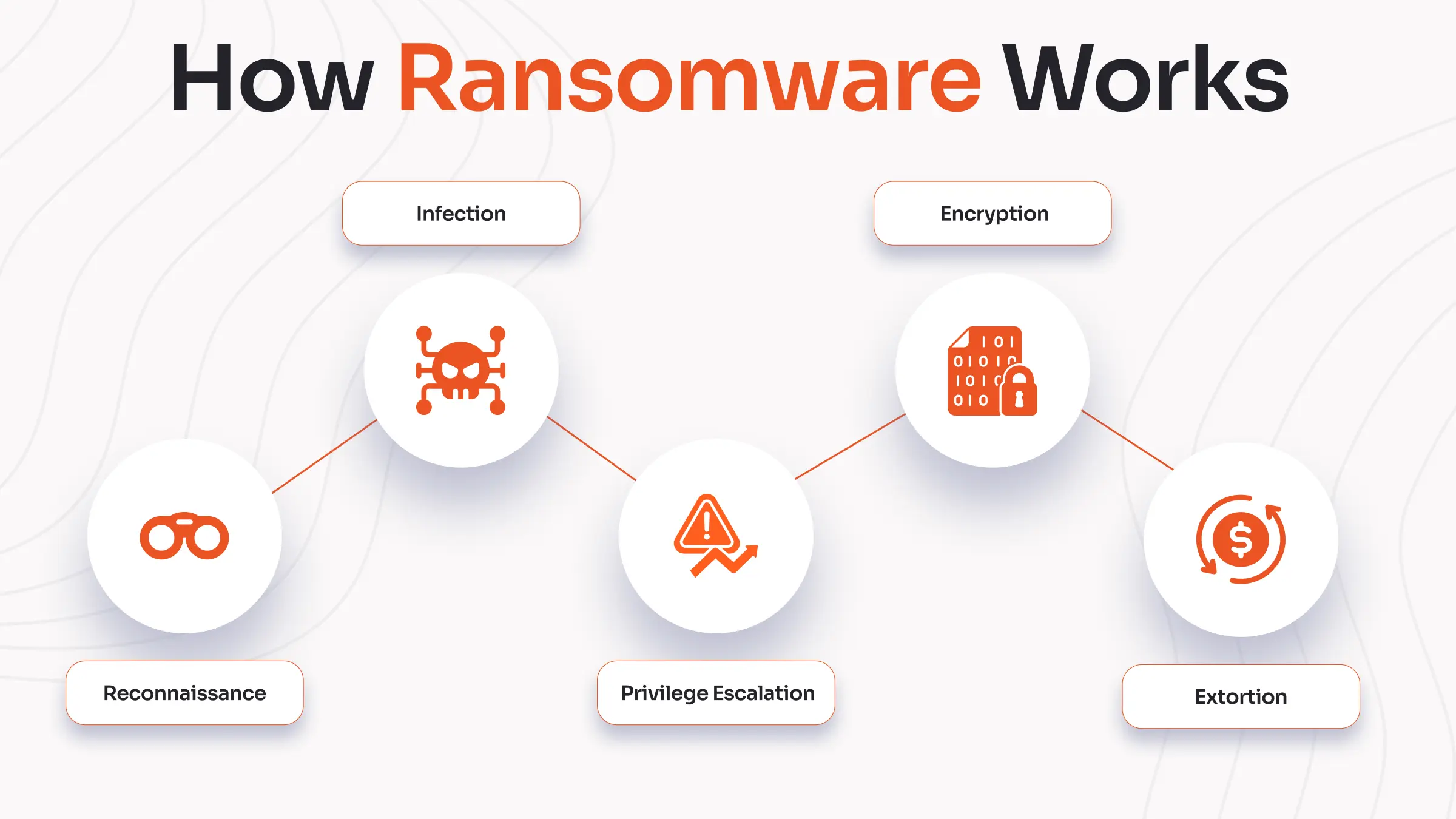
Traditional ransomware followed a simple playbook: encrypt data, demand payment. The Canvas attack represented what Europol now calls "Ransomware 3.0"—a multi-phase extortion model:
- Phase 1 (Disruption): Disable core operations during peak usage periods (final exams, admission cycles)
- Phase 2 (Data Theft): Exfiltrate sensitive records (transcripts, research data, patent filings from university labs)
- Phase 3 (Reputational Blackmail): Threaten to leak embarrassing internal communications (e.g., faculty disputes, admission scandals)
- Phase 4 (Regulatory Arbitrage): Exploit cross-border legal gaps—demanding payments to offshore accounts while knowing Indian institutions would face CERT-In penalties for paying ransoms
The Payment Paradox: While no major institution admitted paying, blockchain analysis by Chainalysis traced $3.7 million in cryptocurrency movements from wallets linked to Indian educational NGOs to addresses associated with ShinyHunters during the attack window.
The Acceleration of Ed-Tech's Trust Deficit
Pre-2026, ed-tech platforms enjoyed near-unquestioned adoption. Post-attack surveys revealed:
- 72% of Indian faculty now view digital platforms as "necessary evils" (up from 28% in 2023)
- 45% of parents in Tier 2/3 cities expressed willingness to pay 15-20% premiums for "offline backup" options
- Corporate training divisions at Wipro and HCL reported 300% increase in requests for in-person certification programs
Systemic Failures: Why This Was Inevitable
1. The Vendor Lock-in Trap
Canvas's market dominance (42% of global LMS market) created a monoculture vulnerability. Institutions faced:
- Migration paralysis: Switching platforms would require 18-24 months of data migration—an impossible timeline during academic cycles
- Pricing power asymmetry: Instructure's post-breach "security surcharge" (12% fee increase) faced no competitive pushback
- Feature bloat: The platform's expansion into proctoring, analytics, and credentialing created more attack surfaces
2. The Compliance Theater Problem
Indian institutions' approach to cybersecurity had been largely performative:
- 91% of universities had "cybersecurity policies" but only 14% conducted regular penetration testing
- UGC's 2021 guidelines for "digital universities" mentioned cybersecurity in just 2 of 47 pages
- NAAC accreditation criteria weighted "digital infrastructure" at 15% but had no cybersecurity audit requirements
The Kerala Model: A Rare Exception
Amid the chaos, Kerala's higher education department stood out for its resilience. Their approach included:
- Decentralized backups: Daily offline backups at district-level data centers (a holdover from 2018 flood recovery protocols)
- Student cyber brigades: 1,200 IT student volunteers trained in basic incident response who helped migrate 63% of coursework to Moodle within 36 hours
- Transparent communication: Real-time updates via KITE (Kerala Infrastructure and Technology for Education) portals reduced panic
Result: Kerala universities experienced 40% less downtime than the national average, with zero ransom payments.
The Ripple Effects: Beyond the Immediate Chaos
1. The Insurance Crisis
Cyber insurance premiums for educational institutions have skyrocketed:
- Indian premiums rose 280% YoY (from ₹1.2L to ₹4.5L for mid-sized universities)
- Deductibles now average 20% of claim value (up from 5% in 2023)
- 7 insurers (including HDFC Ergo and ICICI Lombard) now exclude "academic disruption" from standard policies
"We're seeing education join healthcare as an uninsurable sector," noted Swati Sharma, Head of Cyber Underwriting at Bajaj Allianz. "The risk profiles no longer fit traditional actuarial models."
2. The Brain Drain Accelerant
The attack exacerbated existing trends in academic migration:
- Applications to Canadian universities from Indian students increased 22% in Q3 2026, with "system reliability" cited as the #3 decision factor
- IIT Delhi reported a 15% drop in PhD applications as researchers feared data security for sensitive projects
- Corporate R&D partnerships with Indian universities fell 30% as firms like Bosch and Siemens paused data-sharing agreements
3. The Pedagogical Backlash
Perhaps most damaging has been the erosion of trust in digital pedagogy itself:
- JNU's School of Computer Science saw a 40% increase in enrollments for "analog security" courses (cryptography via paper-based methods)
- Maharashtra's state board reinstated mandatory "offline component" requirements for all digital courses
- Ed-tech unicorns like BYJU'S and Unacademy reported 28% higher churn rates as parents demanded "screen-time guarantees"
Pathways Forward: Beyond Technical Fixes
1. The Case for Public Utility Models
Some experts argue that core educational infrastructure should be treated like critical utilities:
- Nationalized backbones: Countries like Estonia have shown that state-run digital infrastructure with mandatory security standards can work
- Cross-subsidization: Tiered pricing where corporate users (like upSkilling platforms) subsidize academic users
- Sovereign cloud requirements: Data residency laws that prevent cross-border data flows for academic records
2. The Faculty Cyber Corps
Kerala's student volunteer model points to a scalable solution:
- Mandatory cybersecurity modules in computer science curricula (already piloted at IIIT Hyderabad)
- "Cyber TA" roles where advanced students monitor system anomalies in exchange for credits
- Partnerships with ethical hacking communities (like Null or OWASP chapters) for continuous testing
3. The Accreditation Revolution
NAAC and NBA are now considering:
- Cybersecurity scores: Weighting security audits at 20% of technical infrastructure evaluations
- Red-team exercises: Requiring annual simulated attacks as part of accreditation
- Vendor accountability: Making platforms like Canvas jointly liable for breaches affecting accredited institutions
The Cost of Inaction: A McKinsey analysis estimates that without systemic changes, Indian universities will face cumulative losses of $8.3 billion by 2030 from cyber incidents—equivalent to 18% of the current higher education budget.
Conclusion: The Canvas Attack as Civilizational Stress Test
The 2026 breach wasn't just about one platform's vulnerabilities—it exposed the fragile foundations of society's digital transformation. Three uncomfortable truths emerge:
First, we've built critical societal functions atop infrastructure designed for convenience, not resilience. The same "move fast" ethos that let Canvas scale to 6,000 institutions also created its security blind spots. This mirrors patterns seen in financial systems (2008 crisis) and public health (pandemic preparedness).
Second, the attack demonstrated how cyber risks now transcend digital boundaries. When exams are delayed, it's not just grades at stake—it's visa timelines, job eligibility, and mental health. The average Indian student affected by the breach reported 4.2 days of lost productivity, with 12% showing clinical anxiety symptoms in follow-up studies.
Finally, the incident forces us to confront what we're willing to sacrifice for digital dependence. The trade-offs aren't just technical—they're philosophical. Do we accept that education now requires the same fortress mentality as banking? Are we prepared for a world where "snow days" are replaced by "cyber lockdowns"?
The Canvas hack didn't create these questions—it merely made them impossible to ignore. As India's digital education market hurtles toward its projected $10.4 billion valuation by 2025, the real curriculum we need to develop isn't in computer science departments, but in boardrooms and policy chambers. The next exam won't be on Canvas. It'll be on whether we've learned anything at all.