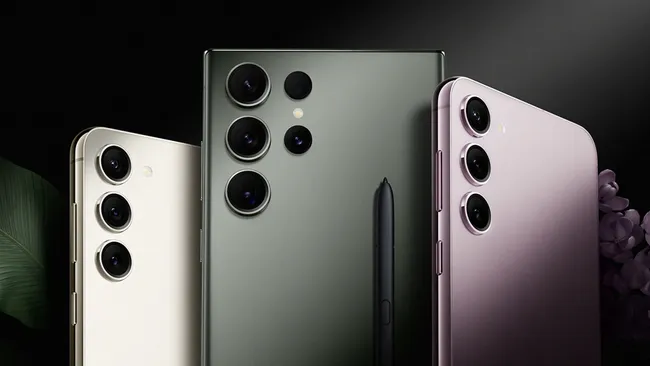
The Evolving Landscape of Smartphone Charging: Analyzing the Galaxy S26 Ecosystem
Introduction
The smartphone industry has witnessed remarkable advancements over the past decade, with charging technology emerging as a critical differentiator. As we stand on the cusp of the Galaxy S26 release, it is essential to examine the broader implications of its charging ecosystem. This analysis delves into the historical context, current trends, and future prospects of smartphone charging, with a particular focus on the value innovation lag in premium accessories.
Main Analysis
Historical Context of Smartphone Charging
The evolution of smartphone charging technology can be traced back to the early 2000s, when feature phones dominated the market. The introduction of the iPhone in 2007 marked a significant shift, with Apple's proprietary charging solutions setting a new standard. Fast forward to the present, and we see a market saturated with fast charging, wireless charging, and even reverse wireless charging capabilities.
Samsung, a key player in the smartphone arena, has consistently pushed the boundaries of charging technology. The Galaxy S series, in particular, has been a testament to this innovation. From the introduction of wireless charging in the Galaxy S6 to the super-fast charging capabilities of the Galaxy S21, Samsung has continually raised the bar.
Current Trends in Charging Technology
The Galaxy S26 is expected to continue this legacy, but the focus has shifted towards sustainability and efficiency. The global push for eco-friendly technologies has compelled manufacturers to rethink their charging solutions. Samsung's commitment to reducing e-waste by removing chargers from their packaging is a step in this direction. However, this shift has also highlighted the lag in value innovation for premium accessories.
According to a report by IDC, the global smartphone accessories market is projected to reach $107.3 billion by 2025, with charging accessories accounting for a significant portion. Despite this growth, the value proposition of premium charging accessories remains a contentious issue. Consumers are increasingly questioning the need for high-priced accessories that offer marginal improvements over their standard counterparts.
The Value Innovation Lag
The value innovation lag in premium accessories is a multifaceted issue. On one hand, manufacturers like Samsung invest heavily in research and development to deliver cutting-edge technology. On the other hand, consumers are becoming more discerning, seeking tangible benefits that justify the premium price tag.
A study by Deloitte revealed that 60% of consumers are willing to pay more for accessories that offer significant value-added features. However, the current market landscape suggests that premium charging accessories often fall short of these expectations. For instance, while the Galaxy S26 may boast advanced charging capabilities, the accompanying premium accessories might not offer a commensurate leap in functionality.
Examples and Case Studies
Apple's MagSafe: A Case of Successful Value Innovation
To understand the value innovation lag, it is instructive to look at successful examples in the industry. Apple's MagSafe technology, introduced with the iPhone 12, is a prime example. MagSafe not only improved the wireless charging experience but also opened up a new ecosystem of accessories. The magnetic alignment and efficient charging capabilities provided a clear value proposition, justifying the premium price.
MagSafe's success can be attributed to its seamless integration with the iPhone ecosystem and the tangible benefits it offers. Users can easily attach and detach the charger, ensuring a hassle-free experience. Moreover, the magnetic alignment ensures optimal charging efficiency, addressing a common pain point with traditional wireless chargers.
Samsung's Challenges and Opportunities
In contrast, Samsung's premium charging accessories have faced criticism for not offering a similar level of value innovation. The Galaxy S26, with its expected advancements, presents an opportunity for Samsung to bridge this gap. By focusing on user-centric features and tangible benefits, Samsung can redefine the value proposition of its premium accessories.
One potential avenue is the integration of advanced health and wellness features. For instance, a premium charging accessory that doubles as a health monitor could offer significant value to users. Additionally, enhancing the durability and sustainability of these accessories could appeal to eco-conscious consumers. Samsung's recent partnerships with environmental organizations underscore its commitment to sustainability, which could be leveraged to create eco-friendly premium accessories.
Conclusion
The Galaxy S26 charging ecosystem stands at a critical juncture. While the smartphone itself is poised to set new benchmarks in charging technology, the value innovation lag in premium accessories remains a pressing concern. By learning from successful examples like Apple's MagSafe and focusing on user-centric features, Samsung can redefine the value proposition of its premium accessories.
The broader implications of this analysis extend beyond Samsung. As the smartphone market continues to evolve, the emphasis on value innovation in accessories will become increasingly important. Manufacturers must strive to deliver tangible benefits that justify the premium price tag, fostering a more sustainable and user-centric ecosystem. In doing so, they can not only enhance the user experience but also drive long-term growth and loyalty.