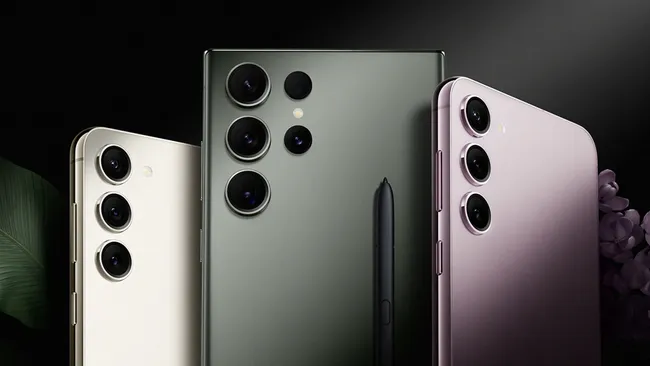
The Galaxy S26 Ultra: A Leap Forward with Unforeseen Consequences
The release of Samsung's Galaxy S26 Ultra has sparked both excitement and controversy. While the new model introduces innovative features, some users are reporting significant issues that could impact the phone's overall reception. This matters because the Galaxy series is a benchmark for smartphone technology, and its success or failure can influence the broader market, including North East India, where smartphone adoption is rapidly growing.
Innovative Features and Their Impact
Privacy Display: A Double-Edged Sword
One of the standout features of the Galaxy S26 Ultra is its Privacy Display, designed to fade the screen to black when viewed from certain angles, thereby protecting sensitive data. This feature is a response to growing concerns about digital privacy, making it a valuable addition for users who handle confidential information. However, this innovation has also been linked to user complaints, suggesting that technological advancements can sometimes come with unexpected drawbacks.
User Complaints: Eye Strain and Beyond
Since the release of the Galaxy S26 Ultra, a significant number of users have reported issues such as eye strain, headaches, and even nausea. These complaints started early, with tech enthusiasts and Samsung loyalists alike noting discomfort after using the device. The problems have been attributed to various factors, including the screen's low Pulse Width Modulation (PWM) frequency, which can cause flickering that is imperceptible to the naked eye but can still affect users' health.
The Broader Implications of Health Concerns
The health concerns raised by the Galaxy S26 Ultra's display are not isolated incidents. They highlight a broader issue in the tech industry: the balance between innovation and user safety. As smartphones become more integrated into our daily lives, the potential health impacts of their design and functionality become increasingly important.
For instance, the blue light emitted by smartphone screens has long been a subject of debate. Studies have shown that exposure to blue light can disrupt sleep patterns and potentially harm eye health. The Galaxy S26 Ultra's issues add another layer to this discussion, as they involve not just blue light but also the flickering caused by PWM.
Regional Impact: North East India's Growing Smartphone Market
The implications of these health concerns are particularly significant in regions like North East India, where smartphone adoption is rapidly growing. According to a report by the Internet and Mobile Association of India (IAMAI), the number of internet users in rural India is expected to reach 350 million by 2025, with a significant portion of this growth driven by smartphone usage.
In this context, the success or failure of a high-profile device like the Galaxy S26 Ultra can have a ripple effect. If the health concerns are not adequately addressed, they could dampen consumer enthusiasm for not just Samsung devices, but smartphones in general. This could slow down the digital revolution in the region, affecting everything from e-commerce to digital education.
Practical Applications and Industry Response
The issues with the Galaxy S26 Ultra also underscore the need for more rigorous testing and user feedback in the development of new technologies. Companies like Samsung have a responsibility to ensure that their products are safe for consumers. This could involve more extensive beta testing, greater transparency about potential health impacts, and a willingness to address user concerns promptly.
Moreover, the tech industry as a whole needs to invest more in research and development focused on user health. This could include exploring alternative display technologies that do not rely on PWM, or developing software solutions that can mitigate the effects of blue light and screen flickering.
Conclusion
The Galaxy S26 Ultra represents a significant step forward in smartphone technology, but it also serves as a cautionary tale about the potential unintended consequences of innovation. The health concerns raised by its display highlight the need for a more user-centric approach to tech development, one that prioritizes safety and well-being alongside performance and features.
As the smartphone market continues to grow, particularly in regions like North East India, it is crucial that the industry takes these lessons to heart. The future of technology should be one that enhances our lives without compromising our health.