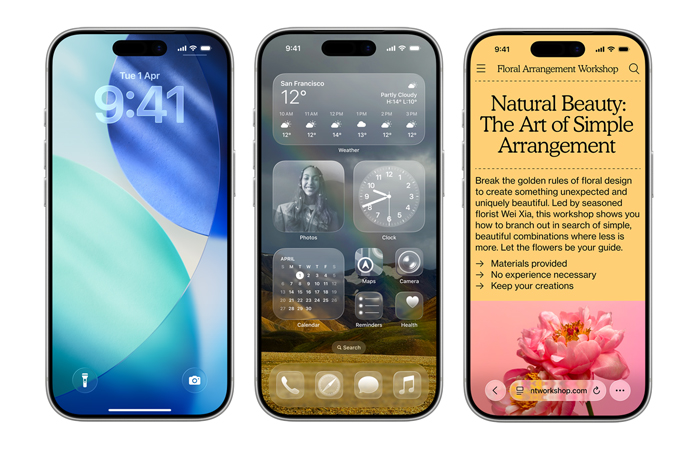
Apple's iPhone 18e: A Strategic Shift in Market Dynamics
Introduction
Apple's latest venture, the iPhone 18e, marks a significant departure from the company's traditional high-end market strategy. This new model, positioned as a budget-friendly option, represents Apple's calculated gamble to capture a broader market share. The iPhone 18e is not just a new product; it is a strategic move that could redefine Apple's market dynamics and polarize the tech industry. This analysis delves into the broader implications of this shift, examining the historical context, current market trends, and potential regional impacts.
Main Analysis
Historical Context: Apple's Market Positioning
Apple has long been synonymous with premium quality and innovative design, commanding a loyal customer base willing to pay a premium for its products. The company's success has been built on a foundation of high-end devices that offer cutting-edge technology and superior user experience. However, the tech landscape has evolved significantly over the past decade. The rise of affordable yet powerful smartphones from competitors like Samsung, Xiaomi, and Huawei has challenged Apple's dominance, particularly in emerging markets.
According to a report by IDC, the global smartphone market saw a 1.3% decline in shipments in 2022, with mid-range and budget segments showing resilience. This trend highlights the growing demand for affordable smartphones, a segment where Apple has traditionally been less competitive. The iPhone 18e is Apple's response to this shifting market, aiming to bridge the gap between premium and budget offerings.
Market Trends: The Rise of Budget-Conscious Consumers
The economic downturns and financial uncertainties of recent years have led to a rise in budget-conscious consumers. A survey by Deloitte found that 60% of consumers are more price-sensitive due to economic pressures. This shift in consumer behavior has created a significant opportunity for budget-friendly smartphones. The iPhone 18e is designed to appeal to this growing demographic, offering a balance between affordability and the Apple ecosystem's benefits.
The iPhone 18e's launch coincides with a global trend towards digital inclusivity. As more services move online, the need for affordable, reliable smartphones has become crucial. In developing regions, smartphones are not just communication devices but also tools for education, healthcare, and financial services. Apple's entry into the budget segment could democratize access to its ecosystem, fostering greater digital inclusion.
Technological Innovations: Balancing Cost and Performance
One of the key challenges for Apple is to maintain its reputation for innovation while catering to the budget segment. The iPhone 18e features a blend of cost-effective components and Apple's proprietary technologies. For instance, the device uses a less expensive OLED display but retains Apple's advanced A16 Bionic chip, ensuring high performance despite the lower price point.
Apple's approach to budget engineering involves optimizing both hardware and software to deliver a seamless user experience. The iPhone 18e runs on iOS 17, which is designed to be efficient and responsive, even on lower-spec hardware. This software-hardware synergy is a testament to Apple's engineering prowess, allowing it to offer a budget device without compromising on performance.
Examples and Regional Impact
Case Study: India's Smartphone Market
India, the world's second-largest smartphone market, is a prime example of the potential impact of the iPhone 18e. The country's smartphone market is dominated by budget and mid-range devices, with brands like Xiaomi and Samsung leading the way. Apple's market share in India has traditionally been limited to the premium segment, accounting for less than 5% of the total market.
The iPhone 18e could change this dynamic. With a price point that competes with mid-range Android devices, Apple could tap into India's vast market of budget-conscious consumers. According to Counterpoint Research, the budget segment (under $200) accounts for over 70% of smartphone sales in India. By offering a device that balances affordability and premium features, Apple could significantly increase its market share in the region.
Regional Implications: Southeast Asia and Latin America
The impact of the iPhone 18e extends beyond India. Southeast Asia and Latin America are other regions where budget-friendly smartphones are in high demand. In Southeast Asia, countries like Indonesia and Vietnam have seen a surge in smartphone adoption, driven by affordable devices. The iPhone 18e could appeal to these markets, offering a viable alternative to Android devices.
In Latin America, the smartphone market is similarly price-sensitive. Countries like Brazil and Mexico have a significant demand for budget smartphones, with local brands and Chinese manufacturers dominating the market. Apple's entry into this segment could disrupt the status quo, providing consumers with a new option that combines affordability with the Apple ecosystem's advantages.
Conclusion
The iPhone 18e represents a strategic shift for Apple, marking its entry into the budget smartphone segment. This move is not just about launching a new product; it is a calculated gamble to capture a broader market share and polarize the tech industry. By balancing cost and performance, Apple aims to appeal to budget-conscious consumers while maintaining its reputation for innovation.
The broader implications of this shift are significant. The iPhone 18e could democratize access to Apple's ecosystem, fostering greater digital inclusion in developing regions. It could also disrupt established market dynamics in regions like India, Southeast Asia, and Latin America, where budget smartphones are in high demand. As Apple ventures into this new territory, the tech industry will be watching closely to see how this gamble plays out.