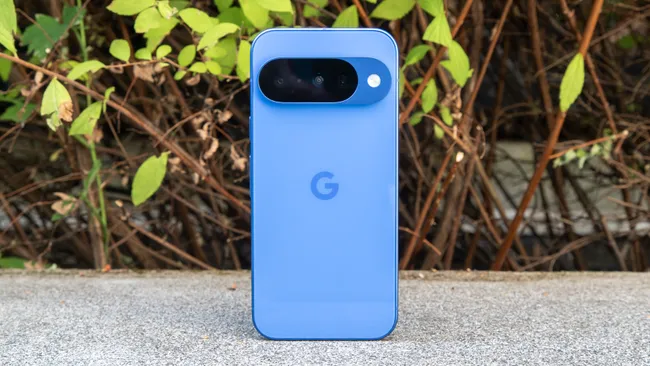
Google's Pixel 10A: Navigating the Midrange Market in North East India
Introduction
The release of Google's Pixel 10A has sparked a mix of curiosity and skepticism among tech enthusiasts and consumers alike. As Google's latest midrange offering, the Pixel 10A raises critical questions about the tech giant's strategy in the highly competitive smartphone market. This analysis delves into the nuances of the Pixel 10A, comparing it to its predecessor, the Pixel 9A, and examining its place in the broader tech landscape, with a particular focus on its potential impact in North East India.
Main Analysis
The Evolution of Midrange Smartphones
The midrange smartphone market has evolved significantly over the past decade. Once dominated by a few key players, it has become a battleground for innovation and affordability. Google's Pixel series has been a notable contender in this segment, offering a blend of premium features at a more accessible price point. The Pixel 10A, however, faces stiff competition from established brands like Samsung, Xiaomi, and OnePlus, each vying for a share of the market.
Pixel 10A: Incremental Innovation
At first glance, the Pixel 10A seems more like a re-release than a significant upgrade. The core components—chipset, cameras, and battery—remain largely unchanged from the Pixel 9A. The phone retains the Tensor G4 chipset, which, while adequate for daily use, may not satisfy users looking for a powerhouse device. The camera setup, featuring a 48-megapixel main and 13-megapixel ultrawide lens, is identical to the Pixel 9A, offering decent performance for its price point.
Design and Feature Enhancements
The most notable changes in the Pixel 10A are subtle design tweaks and minor feature additions. The device is slightly lighter and more compact, with a flatter camera island that is flush with the body. The display is protected by Gorilla Glass 7i and is 300 nits brighter at peak brightness. Charging speeds have been improved to 30W wired and 10W wireless, up from 23W wired and 7.5W wireless in the Pixel 9A. The introduction of Satellite SOS, allowing emergency services contact outside of cell coverage, is a standout feature that could have significant implications for users in remote areas.
Examples and Regional Impact
North East India: A Unique Market
North East India presents a unique market for smartphone manufacturers. With a population of over 45 million, the region is characterized by diverse geographical and socio-economic conditions. Connectivity challenges, particularly in rural areas, make features like Satellite SOS particularly relevant. The region's growing tech-savvy population, coupled with increasing disposable incomes, makes it a lucrative market for midrange smartphones.
Practical Applications and User Benefits
For users in North East India, the Pixel 10A offers several practical benefits. The improved display brightness and enhanced charging speeds address common user complaints about previous models. The Satellite SOS feature could be a game-changer for users in remote areas, providing a crucial lifeline in emergencies. Additionally, Google's commitment to regular software updates ensures that users benefit from the latest security and feature enhancements, a significant advantage over many competitors.
Market Competition and Consumer Preferences
The midrange smartphone market in North East India is highly competitive. Brands like Samsung and Xiaomi have established a strong presence, offering a wide range of devices at various price points. Consumer preferences in the region are influenced by factors such as brand reputation, after-sales service, and value for money. Google's Pixel 10A, with its focus on practical upgrades and innovative features, could appeal to consumers looking for a reliable and feature-rich device.
Conclusion
The Google Pixel 10A represents a cautious step forward in the midrange smartphone market. While it may not offer groundbreaking innovations, its incremental upgrades and practical features make it a compelling option for consumers in North East India. The introduction of Satellite SOS, in particular, could have significant implications for users in remote areas, highlighting Google's commitment to addressing real-world challenges. As the market continues to evolve, the success of the Pixel 10A will depend on its ability to meet consumer expectations and stand out in a crowded field of competitors.
Broader Implications
The release of the Pixel 10A also has broader implications for the tech industry. Google's strategy of incremental innovation reflects a broader trend in the smartphone market, where manufacturers are focusing on refining existing technologies rather than introducing radical new features. This approach allows for more sustainable and cost-effective development, benefiting both consumers and the environment. Additionally, the emphasis on practical applications and regional impact underscores the importance of tailoring technology to meet the specific needs and challenges of diverse markets.
In conclusion, the Google Pixel 10A is more than just a new smartphone; it is a testament to the evolving nature of the tech industry and the importance of addressing real-world challenges through innovation. As the market continues to grow and diversify, the success of devices like the Pixel 10A will depend on their ability to meet the unique needs and preferences of consumers in regions like North East India.