The Future of AR: Apple's Smart Glasses and the Battle for Tech Supremacy
Introduction
The technological landscape is on the cusp of a revolutionary shift, driven by the advent of augmented reality (AR). Among the key players in this burgeoning field, Apple's anticipated AR smart glasses have captured the imagination of tech enthusiasts and industry analysts alike. As competitors like Meta (formerly Facebook) make significant inroads into the AR and VR (virtual reality) spaces, the potential release date of Apple's AR smart glasses has become a focal point of discussion. This analysis delves into the broader implications of Apple's entry into the AR market, the competitive dynamics at play, and the potential regional impact of this technological innovation.
Main Analysis
The Strategic Significance of Apple's AR Smart Glasses
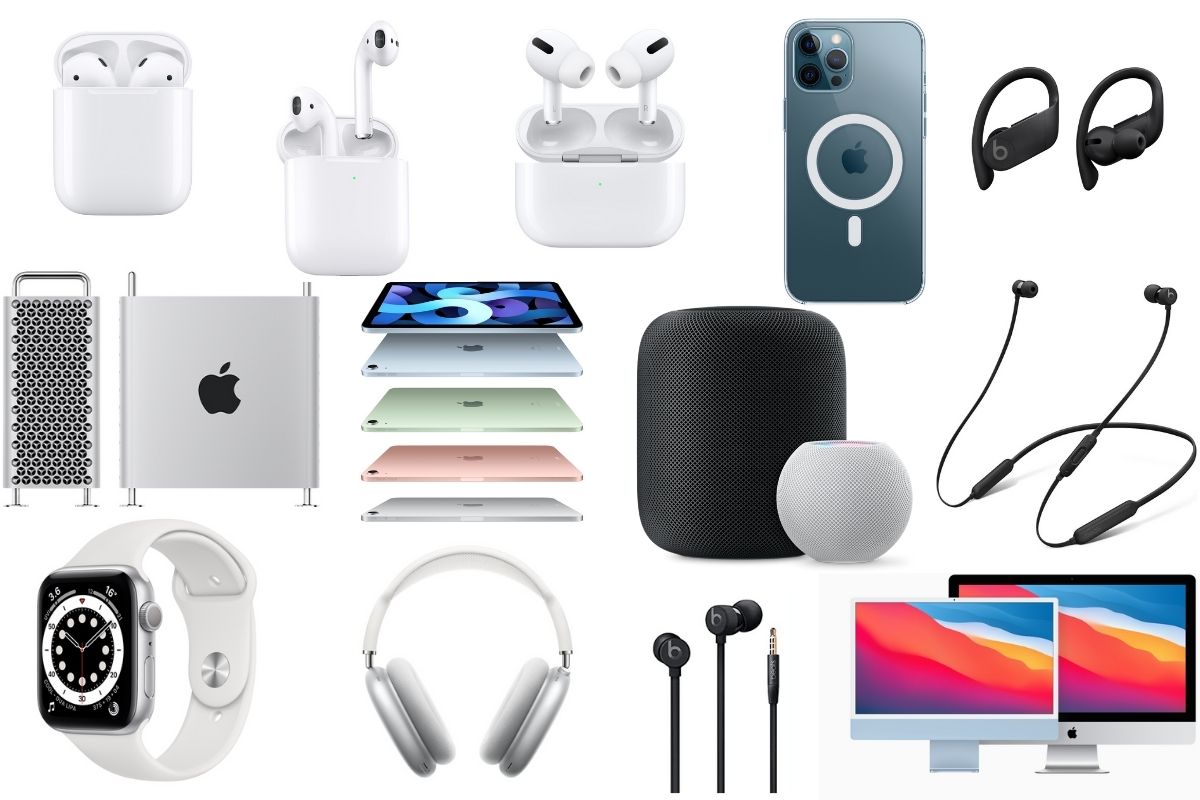
Apple's foray into AR smart glasses is not merely a technological endeavor but a strategic maneuver aimed at securing a dominant position in the future of digital interaction. AR technology promises to blur the lines between the physical and digital worlds, offering users an immersive experience that transcends traditional screens. For Apple, this represents an opportunity to extend its ecosystem of products and services, creating a seamless user experience that integrates with its existing portfolio of iPhones, iPads, and Macs.
The global AR market is projected to reach a staggering $340.16 billion by 2028, growing at a compound annual growth rate (CAGR) of 43.8% from 2021 to 2028. This rapid growth is fueled by advancements in hardware, software, and content creation, as well as increasing demand from various industries, including gaming, healthcare, education, and retail. Apple's entry into this market could catalyze further growth, given the company's track record of innovation and its ability to create compelling user experiences.
Competitive Dynamics: Apple vs. Meta
The battle for AR supremacy is intensifying, with Meta emerging as a formidable competitor. Meta's Oculus Quest 2 has already achieved significant market penetration, with over 10 million units sold as of 2021. Meta's aggressive investment in AR and VR technologies, coupled with its social media prowess, positions it as a strong contender in the AR space. However, Apple's brand loyalty, design excellence, and integrated ecosystem could give it a competitive edge.
The rivalry between Apple and Meta is not just about technological prowess but also about ecosystem integration and user experience. Apple's AR smart glasses are expected to leverage the company's existing hardware and software capabilities, providing a cohesive and intuitive user experience. In contrast, Meta's approach is more fragmented, focusing on standalone devices and social media integration. The success of Apple's AR smart glasses could hinge on their ability to offer a seamless and integrated experience that resonates with users.
Practical Applications and Regional Impact
The practical applications of AR smart glasses are vast and varied, ranging from gaming and entertainment to education and healthcare. In the healthcare sector, AR could revolutionize medical training, remote consultations, and surgical procedures. For example, medical students could use AR smart glasses to simulate surgical procedures, while doctors could provide remote consultations with enhanced visual aids. In education, AR could transform learning experiences by providing immersive and interactive content that engages students in new ways.
The regional impact of AR smart glasses could be significant, particularly in areas with robust technological infrastructure. Regions like North America and Europe, which have high smartphone penetration and advanced digital ecosystems, are likely to see rapid adoption of AR smart glasses. However, the potential for AR to bridge the digital divide in developing regions cannot be overlooked. AR could provide access to educational and healthcare resources in remote areas, enhancing the quality of life for underserved populations.
Examples
Healthcare: Revolutionizing Medical Training and Remote Consultations
In the healthcare sector, AR smart glasses could revolutionize medical training and remote consultations. For instance, medical students could use AR to simulate surgical procedures, providing a hands-on learning experience that is both immersive and interactive. This could lead to better-trained medical professionals who are more prepared to handle complex procedures. Additionally, AR smart glasses could enhance remote consultations by providing doctors with visual aids and real-time data, enabling more accurate diagnoses and treatment plans.
Education: Transforming Learning Experiences
In education, AR smart glasses could transform learning experiences by providing immersive and interactive content. For example, students could use AR to explore historical events, scientific concepts, or geographical locations in a way that is engaging and memorable. This could lead to improved learning outcomes and a more enjoyable educational experience. Additionally, AR could facilitate remote learning by providing students with access to virtual classrooms and interactive learning materials, regardless of their physical location.
Retail: Enhancing the Shopping Experience
In the retail sector, AR smart glasses could enhance the shopping experience by providing customers with virtual try-on capabilities, product information, and personalized recommendations. For example, customers could use AR to try on clothes, shoes, or makeup virtually, reducing the need for physical try-ons and enhancing the convenience of online shopping. Additionally, AR could provide customers with real-time product information and personalized recommendations, improving the overall shopping experience and driving sales.
Conclusion
The anticipated release of Apple's AR smart glasses marks a pivotal moment in the evolution of digital interaction. As the battle for AR supremacy intensifies, the strategic significance of Apple's entry into this market cannot be overstated. The competitive dynamics between Apple and Meta, coupled with the vast practical applications and regional impact of AR smart glasses, underscore the transformative potential of this technology. Whether in healthcare, education, or retail, AR smart glasses promise to revolutionize the way we interact with the digital world, offering immersive and interactive experiences that enhance our daily lives.
As we look to the future, the success of Apple's AR smart glasses will depend on their ability to offer a seamless and integrated user experience that resonates with consumers. With its track record of innovation and design excellence, Apple is well-positioned to lead the charge in the AR revolution. However, the competitive landscape is evolving rapidly, and the ultimate victor in the battle for AR supremacy remains to be seen. What is clear, however, is that the future of digital interaction is bright, and AR smart glasses are poised to play a central role in shaping that future.