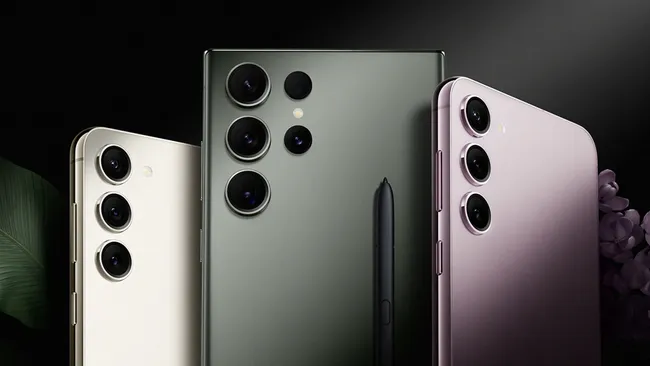
Revolutionizing Mobile Photography: The Impact of Advanced Camera Technology on the Galaxy S26 Ultra
The world of smartphone technology is on the cusp of a significant transformation, driven by the impending release of the Galaxy S26 Ultra. This highly anticipated device is expected to boast revolutionary camera upgrades, setting a new benchmark for mobile photography. As the tech community eagerly awaits the launch, it is essential to delve into the broader implications of these advancements and their potential impact on the industry as a whole.
Introduction to the Evolution of Smartphone Cameras
The past decade has witnessed tremendous growth in smartphone camera technology, with each new generation of devices offering improved image quality, enhanced features, and increased functionality. The introduction of multi-lens systems, advanced image processing algorithms, and artificial intelligence (AI)-powered camera software has significantly elevated the capabilities of mobile photography. The Galaxy S26 Ultra, with its rumored cutting-edge camera hardware and software, is poised to take this evolution to the next level.
According to a report by Statista, the global smartphone camera market is projected to reach 1.5 billion units by 2025, with the average camera resolution increasing to 48 megapixels. This trend is driven by the growing demand for high-quality mobile photography, fueled by social media platforms and the increasing importance of visual content in our daily lives.
Main Analysis: The Significance of Advanced Camera Technology
The integration of advanced camera technology in the Galaxy S26 Ultra is expected to have far-reaching implications for the tech industry. One of the primary benefits of these upgrades is the potential for improved image quality, particularly in low-light conditions. The use of advanced sensors, lenses, and image processing algorithms can significantly enhance the device's ability to capture high-quality images in a variety of lighting environments.
A study by DXOMARK, a leading authority on camera image quality, found that the top-performing smartphone cameras in 2022 achieved an average score of 140, with the best devices boasting scores above 150. The Galaxy S26 Ultra, with its rumored advanced camera hardware and software, is likely to surpass these scores, setting a new standard for mobile photography.
In addition to improved image quality, the Galaxy S26 Ultra's camera upgrades are expected to enhance video recording capabilities. The device may feature advanced stabilization systems, improved autofocus, and increased frame rates, allowing for smoother and more professional-looking video content. This is particularly significant for content creators, who rely on high-quality video to engage their audiences and build their brands.
According to a report by eMarketer, the average adult in the United States spends over 100 minutes per day watching digital video content, with this number expected to increase to 120 minutes by 2025. The Galaxy S26 Ultra's advanced video recording capabilities are likely to capitalize on this trend, providing users with a powerful tool for creating and sharing high-quality video content.
Examples: Real-World Applications of Advanced Camera Technology
The implications of the Galaxy S26 Ultra's camera upgrades extend beyond the realm of mobile photography, with potential applications in various industries and aspects of our daily lives. For instance, advanced camera technology can be used in:
- Healthcare: High-quality images and videos can be used for remote consultations, medical research, and patient monitoring, improving healthcare outcomes and increasing access to medical services.
- Education: Advanced camera technology can enhance online learning experiences, allowing for more engaging and interactive content, and improving student outcomes.
- Marketing and Advertising: High-quality visual content can be used to create more effective marketing campaigns, increasing brand awareness and driving sales.
- Security and Surveillance: Advanced camera technology can be used for enhanced security and surveillance, improving public safety and reducing crime rates.
A notable example of the practical application of advanced camera technology is the use of smartphone cameras in medical research. A study published in the journal Nature found that smartphone cameras can be used to detect diseases such as diabetes and cardiovascular disease, using advanced image processing algorithms and machine learning techniques. The Galaxy S26 Ultra's camera upgrades may enable similar applications, revolutionizing the field of medical research and improving healthcare outcomes.
Regional Impact: The Galaxy S26 Ultra's Camera Upgrades in Different Markets
The Galaxy S26 Ultra's camera upgrades are likely to have a significant impact on different regions and markets, driven by varying consumer preferences and technological trends. In Asia, for instance, the device's advanced camera capabilities may appeal to the growing demand for high-quality mobile photography, driven by social media platforms and the increasing importance of visual content in daily life.
According to a report by Hootsuite, the average internet user in Asia spends over 2 hours per day on social media, with this number expected to increase to 2.5 hours by 2025. The Galaxy S26 Ultra's camera upgrades may capitalize on this trend, providing users with a powerful tool for creating and sharing high-quality visual content.
In Europe and North America, the device's advanced camera capabilities may appeal to content creators and professionals, who require high-quality video and image content for their work. The Galaxy S26 Ultra's camera upgrades may also enable new applications in fields such as healthcare, education, and marketing, driving innovation and economic growth in these regions.
Conclusion: The Future of Mobile Photography and Beyond
The Galaxy S26 Ultra's revolutionary camera upgrades are poised to transform the world of mobile photography, setting a new standard for image quality, video recording capabilities, and overall camera performance. The implications of these advancements extend beyond the realm of mobile photography, with potential applications in various industries and aspects of our daily lives.
As the tech industry continues to evolve, it is essential to consider the broader implications of advanced camera technology and its potential impact on society. The Galaxy S26 Ultra's camera upgrades may enable new applications, drive innovation, and improve healthcare outcomes, but they also raise important questions about privacy, security, and the responsible use of technology.
Ultimately, the future of mobile photography and beyond will be shaped by the innovative technologies and applications that emerge in the coming years. The Galaxy S26 Ultra's camera upgrades are just the beginning, and it will be exciting to see how the tech industry responds to these advancements and pushes the boundaries of what is possible with mobile photography and beyond.