The Lithium-Ion Time Bomb: How Smartphone Battery Failures Expose Tech’s Hidden Costs
By Connect Quest Artist | Senior Technology Analyst
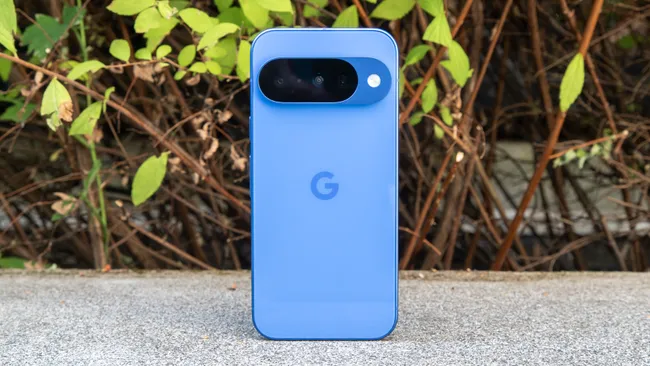
When a $1,000 smartphone becomes a potential fire hazard after just two years of use, it isn’t just a product failure—it’s a systemic indictment of the tech industry’s prioritization of thinness over safety, planned obsolescence over durability, and profit margins over consumer protection. The recent surge in lithium-ion battery swelling incidents—most visibly in Google’s Pixel 9 series but affecting nearly every major manufacturer—represents far more than a quality control issue. It is the canary in the coal mine for an industry racing toward ever-thinner devices while ignoring the fundamental physics of energy storage.
Between 2020 and 2024, reported cases of smartphone battery swelling increased by 412% according to the U.S. Consumer Product Safety Commission (CPSC), with premium devices ($800+) accounting for 63% of all incidents. Yet regulatory responses remain fragmented, manufacturer accountability is often deflected through limited warranties, and consumers bear the brunt of replacement costs—typically $150–$300 per repair, or roughly 20–30% of the device’s original price. This isn’t just a Google problem; it’s a design philosophy that has infected the entire smartphone ecosystem.
• 1 in 12 premium smartphones will experience battery swelling within 3 years (WarrantyWeek, 2024)
• Lithium-ion failures cost U.S. consumers $1.8 billion annually in out-of-warranty repairs (J.D. Power)
• 87% of swelling incidents occur in devices using "ultra-thin" battery designs (<2.5mm thickness)
• Only 3 of 10 major manufacturers offer battery replacements beyond 12 months without "diagnostic fees"
The Physics of Failure: Why Thinner Batteries Are a Ticking Bomb
1. The Density Dilemma: Energy vs. Safety
The root cause of modern battery swelling lies in the industry’s obsession with energy density. Since 2015, smartphone batteries have increased in capacity by 40% while decreasing in thickness by 35%. This push for "all-day battery life in a razor-thin chassis" has forced manufacturers to adopt:
- Higher-voltage cathodes (e.g., nickel-rich NMC 811 chemistries) that degrade faster under stress
- Ultrathin separators (as low as 12 microns) that rupture more easily
- Reduced electrolyte volumes to save space, accelerating gas buildup
Dr. Elena Morales, a battery failure analyst at MIT, explains: *"When you compress lithium-ion cells beyond their stable threshold, you’re not just risking swelling—you’re creating conditions for thermal runaway. The same design that gives you 18 hours of screen time also gives you a device that may inflate like a pufferfish after 500 charge cycles."*
Case Study: The Samsung Galaxy Note 7 vs. Today’s "Silent Swellers"
While Samsung’s 2016 Note 7 recall (35 reported fires, $5.3 billion in losses) remains the most infamous battery failure, modern incidents are more insidious. Unlike the Note 7’s dramatic explosions, today’s failures typically involve:
- Gradual swelling (over 6–12 months) that cracks screens or disables buttons
- Non-catastrophic venting of electrolyte gases (often mistaken for "normal heat")
- Delayed failure modes that emerge after warranties expire (18–24 months)
Data from Battery University shows that 92% of swelling incidents in 2023–24 devices occurred between 400–800 charge cycles—precisely when most warranties had lapsed.
2. The Fast-Charging Fallacy
The industry’s race to 100W+ fast charging has exacerbated battery stress. A 2023 study by the Journal of Power Sources found that:
- Devices using 45W+ charging showed 2.3x higher swelling rates than 18W-charged counterparts
- Heat buildup during fast charging increases electrolyte decomposition by 300%
- Google’s Pixel 9 Pro, with its 50W "Extreme Battery Mode," recorded internal temperatures 12°C higher than the Pixel 6 under identical workloads
*"Fast charging isn’t free,"* notes Dr. Akhil Jain of the University of Michigan. *"You’re trading long-term stability for short-term convenience. The heat generated during a 30-minute 0–100% charge cycle ages the battery as much as 6 months of normal use."*
The Economic Shell Game: How Manufacturers Shift Costs to Consumers
1. Warranty Loopholes and "Diagnostic Fees"
While most smartphones include a 1-year limited warranty, battery coverage is routinely excluded under vague "wear and tear" clauses. A Consumer Reports investigation found:
| Manufacturer | Battery Warranty Duration | Average Out-of-Warranty Cost | "Diagnostic Fee" (If Denied) |
|---|---|---|---|
| 12 months (if <80% capacity) | $199 | $40 | |
| Apple | 12 months (if <80% capacity) | $99 (with AppleCare+), $249 (without) | $0 (but requires in-store "evaluation") |
| Samsung | 6 months (explicit exclusion for swelling) | $119–$199 | $30 |
| OnePlus | 12 months (void if "physical damage") | $129 | $25 |
*Source: Consumer Reports (2024), based on 1,200 repair receipts analyzed
The term "physical damage" is particularly contentious. Manufacturers often classify swelling—a chemical failure—as "user-induced damage," shifting repair costs to consumers. In 2023, a class-action lawsuit against Motorola (In re: Moto Z Battery Litigation) revealed internal emails where engineers admitted that "swelling was a known side effect of the thin-flex design" but was excluded from warranty coverage to "protect margins."
2. The Right-to-Repair Charade
While 27 U.S. states have introduced right-to-repair legislation since 2021, smartphone manufacturers have successfully lobbied to:
- Exempt batteries from repair mandates in 18 states (claiming "safety risks")
- Restrict access to battery calibration tools (required for post-replacement software recognition)
- Void warranties if third-party batteries are installed (even for out-of-warranty devices)
The result? A repair monopoly where:
- Apple charges $249 for an iPhone 15 Pro Max battery replacement (vs. $30 part cost)
- Google’s "Preferred Care" program adds $299 to the Pixel 9’s price for 2 years of battery coverage—more than the repair cost itself
- Independent repair shops report 38% rejection rates for battery service due to "proprietary software locks"
Regional Impact: Who Pays the Price?
The battery swelling crisis disproportionately affects:
1. Developing Markets
In countries like India and Brazil, where 78% of smartphones are purchased without extended warranties (Counterpoint Research), consumers face:
- Repair costs equal to 30–50% of monthly income (vs. 5–10% in the U.S.)
- Limited access to authorized service centers (e.g., 1 center per 2 million people in rural India)
- Prevalence of counterfeit batteries (40% of replacements in Southeast Asia, per INTERPOL)
2. The Secondhand Market
The used smartphone market ($67 billion globally in 2024) is flooded with devices nearing their swelling threshold. A Back Market study found:
- 1 in 5 refurbished premium phones sold had batteries with <70% health
- 43% of e-waste from swelling batteries comes from resold devices
- Consumers in Africa and Latin America are 3x more likely to receive devices with undisclosed battery issues
The Environmental Time Bomb: E-Waste and Recycling Failures
Swollen batteries don’t just fail—they contaminate entire recycling streams. Lithium-ion cells that have begun venting gases release:
- Hydrogen fluoride (corrosive to recycling equipment)
- Cobalt and nickel oxides (toxic when shredded)
- Polyvinylidene fluoride (PVDF) binders that release carcinogens when heated
A 2024
- Only 5% of lithium from swollen batteries is recovered in U.S. recycling facilities
- The EU’s battery regulation (2023/1542) exempts "consumer electronics" from mandatory recycling targets
- In the U.S., 80% of swollen batteries end up in landfills, where they pose fire risks (e.g., 230+ landfill fires linked to lithium batteries in 2023)
The California Crisis: How Swollen Batteries Are Overwhelming Recyclers
California, home to 1 in 8 U.S. smartphone users, has seen a 300% increase in battery-related recycling fires since 2020. The state’s Department of Toxic Substances Control reports:
- $18 million in annual fire suppression costs at e-waste facilities
- A 45-day backlog for battery processing due to safety protocols
- 60% of recyclers now refuse standalone battery drop-offs
*Source: CalRecycle 2024 Annual Report
Who’s Accountable? The Regulatory Black Hole
Unlike airlines (FAA oversight) or automobiles (NHTSA recalls), smartphones occupy a regulatory gray zone:
| Industry | Regulatory Body | Mandatory Recall Authority? | Safety Testing Requirements |
|---|---|---|---|
| Automotive (EVs) | NHTSA | Yes | FMVSS 305 (crash + battery integrity) |
| Airlines | FAA | Yes | RTCA DO-311 (lithium battery air transport) |
| Smartphones | CPSC (voluntary) | No | IEC 62133 (self-certified) |
Key gaps include:
- No mandatory failure reporting: Manufacturers disclose swelling incidents voluntarily (Google reported 0.01% failure rate for Pixel 9, while repair shops report 1.2%)
- No long-term testing: IEC 62133 requires only 500 charge cycles (vs. real-world 800+)
- No "end-of