The Evolution of Apple's iPhone Ecosystem: A New Era of Integration
Introduction
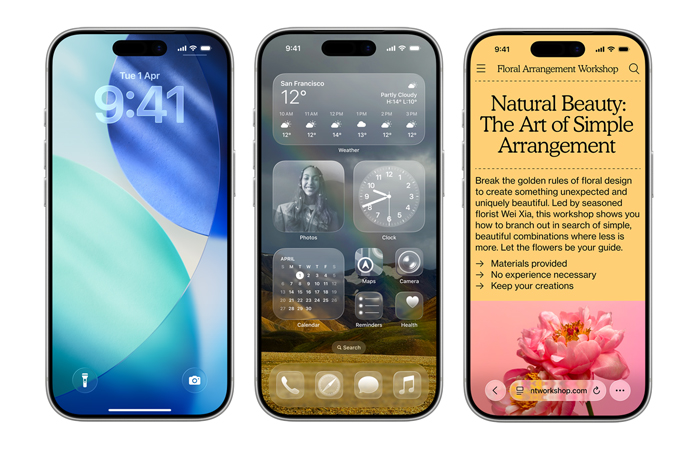
Apple's iPhone has been a cornerstone of the tech industry since its debut in 2007. Over the years, Apple has consistently pushed the boundaries of what a smartphone can do, creating an ecosystem that seamlessly integrates various devices and services. Recent rumors suggest that Apple is accelerating the development of three new products designed to complement the iPhone ecosystem. This article delves into the broader implications of these developments, examining how they could revolutionize user experiences and solidify Apple's market dominance.
Main Analysis
Historical Context and Innovation
Apple's history is marked by groundbreaking innovations that have redefined entire industries. The introduction of the iPhone in 2007 was a watershed moment, transforming the mobile industry and setting new standards for user experience. Subsequent releases, such as the iPad, Apple Watch, and AirPods, have further expanded Apple's ecosystem, creating a cohesive network of devices that work together seamlessly.
This strategy has been incredibly successful, with Apple's ecosystem becoming a key factor in user loyalty. According to a 2022 report by Counterpoint Research, Apple's ecosystem lock-in is a significant driver of customer retention, with over 90% of iPhone users likely to stay within the Apple ecosystem for their next device purchase.
The New Product Triad: Speculation and Potential
The rumored triad of new products is expected to enhance the iPhone ecosystem in unprecedented ways. While specific details remain unverified, industry experts speculate that these innovations could include advanced wearable technology, innovative accessories, and possibly even new categories of devices. The potential for these products to revolutionize user interactions with their iPhones is immense, offering new functionalities and enhancing existing features.
For instance, advanced wearable technology could include next-generation smart glasses or augmented reality (AR) devices. These could provide users with immersive experiences, blurring the lines between the digital and physical worlds. Innovative accessories might include advanced charging solutions, enhanced camera lenses, or health monitoring devices that integrate seamlessly with the iPhone.
Broader Implications for the Tech Industry
The introduction of these new products could have far-reaching implications for the tech industry. Apple's ability to create a cohesive ecosystem has already set it apart from competitors. By further expanding this ecosystem, Apple could solidify its market dominance and create new revenue streams. For example, the global wearable technology market is expected to reach $265.4 billion by 2026, according to a report by Fortune Business Insights. Apple's entry into this market with advanced wearable technology could capture a significant share of this growth.
Moreover, these developments could spur innovation among competitors, leading to a new wave of technological advancements. Companies like Samsung, Google, and Huawei may respond with their own ecosystem-enhancing products, driving the industry forward as a whole.
Examples and Practical Applications
Enhancing User Experience
One of the most significant practical applications of these new products is the enhancement of user experience. For example, advanced wearable technology could provide users with real-time health monitoring, fitness tracking, and augmented reality experiences. This could make the iPhone an even more integral part of users' daily lives, increasing engagement and loyalty.
Innovative accessories could also play a crucial role in enhancing user experience. For instance, advanced charging solutions could address one of the biggest pain points for smartphone users—battery life. Enhanced camera lenses could turn the iPhone into a professional-grade photography tool, appealing to both amateur and professional photographers.
Regional Impact and Market Opportunities
The regional impact of these developments could be substantial. In markets like the United States and Europe, where Apple already has a strong presence, these new products could drive further growth. According to Statista, Apple's market share in the U.S. smartphone market was around 50% in 2022. The introduction of new ecosystem-enhancing products could help Apple maintain and even increase this share.
In emerging markets like India and Southeast Asia, these developments could open up new opportunities. The growing middle class in these regions is increasingly adopting smartphones and wearable technology. Apple's new products could tap into this market, providing users with a comprehensive ecosystem that meets their evolving needs.
Conclusion
Apple's rumored development of three new products designed to complement the iPhone ecosystem represents a significant step forward in the company's strategy of creating a cohesive network of devices. These innovations have the potential to revolutionize user experiences, drive industry-wide innovation, and solidify Apple's market dominance. As the tech industry continues to evolve, Apple's ability to stay ahead of the curve will be crucial in maintaining its leadership position.
For consumers, these developments promise a future where their devices work together seamlessly, enhancing their daily lives in countless ways. For the tech industry, they represent a call to action, challenging competitors to innovate and adapt. As we look to the future, it is clear that Apple's iPhone ecosystem will continue to be a driving force in shaping the landscape of technology.