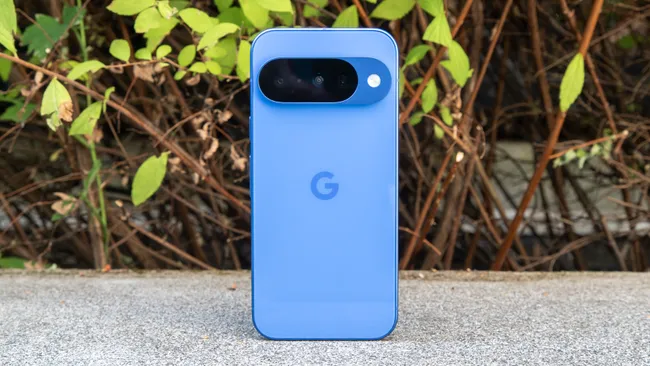
Google Pixel 10a vs Pixel 10: A Comprehensive Analysis
Introduction
The tech world is abuzz with the release of Google's latest smartphones, the Pixel 10a and Pixel 10. These devices represent the pinnacle of Google's innovation in the smartphone market, each tailored to different consumer needs and budgets. This analysis delves into the key differences and features of these two models, providing a comprehensive overview to help consumers make informed decisions.
Main Analysis
The Pixel 10a and Pixel 10 are designed to cater to different market segments, with variations in performance, camera capabilities, battery life, and price. Understanding these differences is crucial for consumers looking to upgrade their devices.
Performance: Under the Hood
Performance is a critical factor for any smartphone, and the Pixel 10a and Pixel 10 are no exception. The Pixel 10 is expected to be powered by Google's latest Tensor chip, offering top-tier processing power and AI capabilities. In contrast, the Pixel 10a may feature a slightly less powerful processor, likely a mid-range chip from Qualcomm or MediaTek. This difference in processing power will affect the devices' ability to handle multitasking, gaming, and other resource-intensive applications.
For instance, the Tensor chip in the Pixel 10 will provide enhanced AI features, such as real-time language translation and improved voice recognition. These capabilities are particularly useful for professionals who rely on their smartphones for work-related tasks. On the other hand, the Pixel 10a's mid-range processor will still offer a smooth user experience for everyday tasks like browsing, messaging, and social media.
Camera Capabilities: Capturing the Moment
Google's Pixel series has always been renowned for its exceptional camera quality, and the Pixel 10 and Pixel 10a continue this tradition. The Pixel 10 is likely to feature a more advanced camera setup, including a higher megapixel count and improved low-light performance. This makes it an ideal choice for photography enthusiasts and content creators who demand the best image quality.
The Pixel 10a, while not as advanced as its counterpart, will still offer a robust camera system suitable for casual users. It may include features like Night Sight and Portrait Mode, ensuring that users can capture high-quality photos in various lighting conditions. The camera differences highlight Google's strategy to offer a premium experience with the Pixel 10 while making the Pixel 10a a more affordable option without compromising too much on quality.
Battery Life: Powering Through the Day
Battery life is a crucial consideration for any smartphone user. The Pixel 10 is expected to come with a larger battery capacity, possibly around 5,000 mAh, ensuring longer usage times. This is particularly beneficial for users who need their devices to last throughout the day without frequent charging. The Pixel 10a, on the other hand, may have a slightly smaller battery, around 4,500 mAh, which is still sufficient for most users' daily needs.
Both devices will likely support fast charging and wireless charging, making it convenient for users to quickly top up their batteries. However, the Pixel 10's larger battery and potentially faster charging speeds give it an edge for power users who demand more from their devices.
Price: Value for Money
Price is often the deciding factor for many consumers. The Pixel 10, with its premium features and advanced technology, will likely come with a higher price tag, possibly around $800-$1,000. This positions it as a high-end device aimed at users who are willing to invest in top-tier performance and features.
In contrast, the Pixel 10a is expected to be more budget-friendly, with a price range of $400-$600. This makes it an attractive option for users who want a reliable and feature-rich smartphone without breaking the bank. Google's strategy here is to offer a more affordable entry point into the Pixel ecosystem, appealing to a broader range of consumers.
Examples and Real-World Applications
To understand the practical implications of these differences, let's consider some real-world scenarios:
Professional Use
For professionals who rely on their smartphones for work, the Pixel 10's advanced AI capabilities and powerful processor make it an ideal choice. Features like real-time language translation can be invaluable for business travelers, while improved voice recognition enhances productivity. The larger battery ensures that the device can handle a full day of meetings, emails, and calls without needing a recharge.
Content Creation
Content creators, including photographers and videographers, will appreciate the Pixel 10's advanced camera system. The higher megapixel count and improved low-light performance allow for professional-quality photos and videos, making it a versatile tool for capturing and sharing content. The Pixel 10a, while not as advanced, still offers robust camera features that are suitable for casual content creation and social media sharing.
Everyday Use
For everyday users who need a reliable smartphone for browsing, messaging, and social media, the Pixel 10a is an excellent choice. Its mid-range processor and robust camera system provide a smooth user experience without the high cost of premium features. The slightly smaller battery is still sufficient for most users' daily needs, making it a practical and affordable option.
Conclusion
The Google Pixel 10 and Pixel 10a represent two distinct offerings in the smartphone market, each designed to cater to different user needs and budgets. The Pixel 10, with its advanced AI capabilities, powerful processor, and premium camera system, is aimed at users who demand the best performance and features. In contrast, the Pixel 10a offers a more affordable option with robust features that are suitable for everyday use.
Understanding these differences is crucial for consumers looking to upgrade their devices. By considering their specific needs and budget, users can make an informed decision and choose the Pixel model that best fits their lifestyle. Whether it's for professional use, content creation, or everyday tasks, Google's Pixel 10 and Pixel 10a provide versatile and reliable options in the smartphone market.