The Semiconductor Standoff: Trump's Tech War and Its Ripple Effects
The tech industry is no stranger to geopolitical tensions, but the recent push by former President Donald Trump to bring semiconductor manufacturing back to the United States has sparked a new wave of debate and analysis. This initiative, aimed at reducing dependence on foreign chip manufacturers, particularly those in China, has far-reaching implications for regional economies, job markets, and global supply chains. The semiconductor industry, often referred to as the backbone of modern technology, is at the heart of this geopolitical and economic showdown.
Main Analysis: The Strategic Importance of Semiconductors
Semiconductors are the building blocks of modern electronics, powering everything from smartphones to supercomputers. The global semiconductor market was valued at over $400 billion in 2020 and is expected to grow at a compound annual growth rate (CAGR) of 6.2% from 2021 to 2028. This growth is driven by the increasing demand for advanced technologies such as artificial intelligence, the Internet of Things (IoT), and 5G networks.
The United States has long been a leader in semiconductor design and innovation, but much of the actual manufacturing has shifted to countries like Taiwan, South Korea, and China. This shift has raised concerns about supply chain vulnerabilities and national security risks. The COVID-19 pandemic further exposed these vulnerabilities, as global supply chains were disrupted, leading to shortages of critical components.
In response, the Trump administration introduced policies aimed at revitalizing domestic semiconductor manufacturing. These policies include tax incentives, subsidies, and investments in research and development. The goal is to create a more resilient and secure supply chain that can withstand geopolitical shocks and ensure the United States remains competitive in the global tech landscape.
Key Data Points:
- The global semiconductor market was valued at over $400 billion in 2020.
- The market is expected to grow at a CAGR of 6.2% from 2021 to 2028.
- The U.S. accounts for approximately 47% of global semiconductor design but only 12% of global production.
- China is the largest consumer of semiconductors, accounting for about 55% of global demand.
Examples: Intel and Apple in the Crosshairs
Intel and Apple are two of the most prominent players in the semiconductor industry, each with a unique role and set of challenges. Intel, a pioneer in semiconductor manufacturing, has been a key player in the industry for decades. However, the company has faced increasing competition from foreign manufacturers, particularly TSMC and Samsung, which have made significant strides in advanced process technologies.
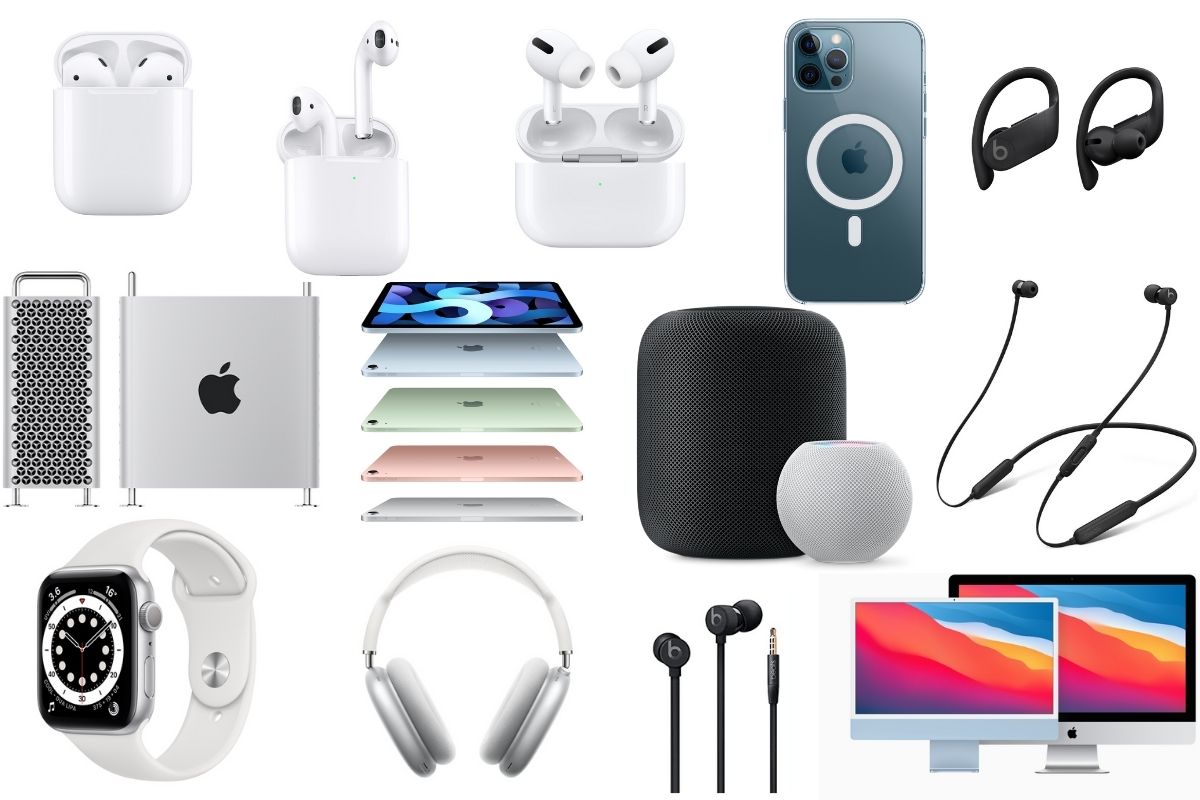
Apple, on the other hand, is a major consumer of semiconductors, relying on a complex global supply chain to produce its iconic devices. The company has been working to diversify its supply chain and reduce its dependence on any single region or manufacturer. This strategy aligns with the broader goals of the Trump administration's tech war, which seeks to create a more resilient and secure supply chain.
The push to bring semiconductor manufacturing back to the United States presents both opportunities and challenges for these companies. For Intel, it could mean increased investment in domestic manufacturing facilities and a renewed focus on advanced process technologies. For Apple, it could mean a shift in its supply chain strategy, potentially leading to higher costs and logistical challenges.
Broader Implications: Regional Impact and Global Dynamics
The semiconductor standoff has significant implications for regional economies and global dynamics. In the United States, the push to revitalize domestic manufacturing could create jobs and stimulate economic growth. However, it could also lead to higher costs and potential trade tensions with countries that have invested heavily in semiconductor manufacturing.
In Asia, the impact could be even more profound. Countries like Taiwan, South Korea, and China have built their economies around semiconductor manufacturing. A shift in the global supply chain could disrupt these economies and lead to significant economic and political consequences. For example, Taiwan, which is home to TSMC, the world's largest semiconductor foundry, could face increased pressure to align with U.S. policies, potentially straining its relationship with China.
The semiconductor standoff also has implications for the broader tech industry. Companies that rely on semiconductors for their products and services could face higher costs and potential supply chain disruptions. This could lead to a ripple effect throughout the industry, affecting everything from consumer electronics to data centers and cloud services.
Regional Impact:
- United States: Potential job creation and economic growth, but also higher costs and trade tensions.
- Taiwan: Increased pressure to align with U.S. policies, potential strain on relations with China.
- South Korea: Disruption of a key industry, potential economic and political consequences.
- China: Potential loss of market share, increased pressure to develop domestic semiconductor industry.
Conclusion: Navigating the Semiconductor Standoff
The semiconductor standoff is a complex and multifaceted issue that has far-reaching implications for the tech industry, regional economies, and global dynamics. While the push to revitalize domestic semiconductor manufacturing in the United States presents opportunities for job creation and economic growth, it also poses significant challenges and potential trade tensions.
For companies like Intel and Apple, the semiconductor standoff presents both opportunities and challenges. It could lead to increased investment in domestic manufacturing and a renewed focus on advanced process technologies. However, it could also lead to higher costs and logistical challenges, potentially affecting the broader tech industry.
As the semiconductor standoff continues to unfold, it will be crucial for policymakers, industry leaders, and stakeholders to navigate these challenges carefully. By working together, they can create a more resilient and secure supply chain that can withstand geopolitical shocks and ensure the United States remains competitive in the global tech landscape.
The semiconductor standoff is not just a tech war; it is a battle for economic and geopolitical dominance. The outcomes will shape the future of the tech industry, regional economies, and global dynamics for years to come.