Apple’s Smart‑Glasses Roadmap: A Strategic Shift Toward Immersive Computing
Introduction
For more than a decade Apple has demonstrated a pattern of entering nascent hardware categories at precisely calibrated moments, leveraging its tightly integrated software stack and massive user base to establish market standards. The forthcoming Apple smart‑glasses, widely projected to arrive in the second half of 2025, represent the company’s most ambitious foray into spatial computing to date. While the device will initially roll out as a developer‑focused beta in Q3 2025, followed by a consumer launch in Q4 2025, its significance extends far beyond a seasonal product drop. This article dissects the strategic calculus behind Apple’s timing, evaluates the broader AR ecosystem, and explores how the glasses could reshape interaction models across consumer, enterprise, and health domains.
Main Analysis
Historical Context and Launch Cadence
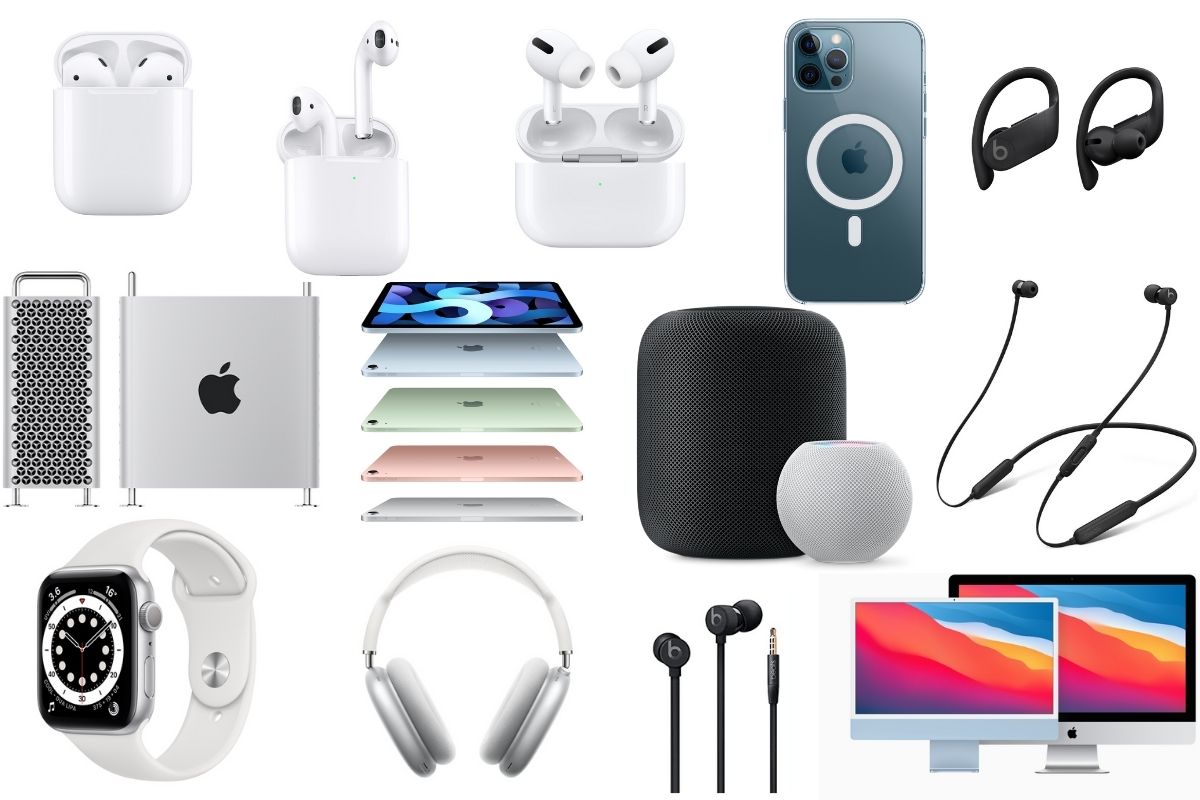
Apple’s product strategy often follows a “two‑to‑three‑year cycle” for new categories. The Apple Watch debuted in 2015, the HomePod in 2017, and the AirPods Max in 2020. Each launch coincided with maturing supporting technologies—advanced sensors, machine‑learning pipelines, and a robust developer ecosystem. Smart‑glasses fit this pattern because they require three critical components to reach consumer readiness: high‑resolution wave‑guide optics, low‑latency spatial mapping, and a mature AR software framework. By positioning the glasses alongside the iPhone 16 release, Apple can bundle the device with the latest iOS updates, ensuring seamless hand‑off between mobile and spatial experiences.
Market Projections and Competitive Landscape
According to a 2024 IDC forecast, worldwide shipments of AR‑enabled eyewear will climb from 1.2 million units in 2023 to 12 million units by 2027—a compound annual growth rate (CAGR) of roughly 55 %. If Apple captures even a 10 % share of that market in its first full year, it would translate into roughly 1.2 million devices sold, generating an estimated $3.6 billion in hardware revenue at an average selling price (ASP) of $3,000. This projection dwarfs the current smart‑glass segment, where Meta’s Ray‑Ban Stories and Microsoft’s HoloLens 2 together accounted for less than 500,000 units shipped in 2023.
Technical Foundations and Supply‑Chain Implications
Apple’s rumored partnership with a consortium of optics manufacturers—including Corning for advanced wave‑guide glass and a Taiwanese firm for micro‑LED wave‑guides—signals a commitment to mass‑produce high‑clarity, low‑distortion displays. The company is also reportedly investing $1.2 billion in a dedicated chip fab in Arizona to produce the “R12” spatial‑processing SoC, which integrates an AI accelerator capable of 15 TOPS (trillion operations per second). This vertical integration reduces reliance on third‑party suppliers and provides a cost advantage of up to 30 % over competing offerings, a critical factor for achieving profitability at scale.
Ecosystem Integration and Developer Incentives
Apple’s approach to software is as pivotal as its hardware. The glasses will run on a new “visionOS 3” platform, an evolution of the existing AR toolkit that already powers the iPhone’s Measure app and the iPad Pro’s LiDAR scanner. By offering a suite of development kits, sandboxed test environments, and a revenue‑share model that guarantees developers 70 % of in‑app purchases, Apple aims to attract a wave of native AR applications—ranging from real‑time language translation to interactive 3D shopping experiences. Early adopters such as IKEA and Snap Inc. have already announced pilot programs that leverage the glasses’ spatial anchoring capabilities to overlay furniture directly onto a user’s living room with sub‑centimeter accuracy.
Broader Societal Implications
The diffusion of AR glasses carries profound implications for privacy, urban design, and labor markets. On one hand, continuous visual overlays can enhance safety—real‑time hazard detection for construction workers or navigation assistance for visually impaired users. On the other hand, the constant stream of contextual data raises regulatory concerns; jurisdictions such as the European Union are drafting “AR‑Specific Transparency Directives” that would require manufacturers to disclose sensor capabilities and data retention policies. Apple’s historically cautious stance on privacy suggests it will embed on‑device processing for most analytics, limiting cloud exposure but also imposing stringent computational demands on the silicon.
Enterprise Adoption and Productivity Gains
Beyond consumer entertainment, the glasses are poised to become a catalyst for enterprise productivity. A 2024 McKinsey study estimated that spatial computing could boost global productivity by 2.5 % annually, equating to $1.2 trillion in added GDP by 2030. In practice, the glasses could enable remote collaboration with holographic annotations, reduce the need for physical prototypes in manufacturing, and streamline field‑service tasks through step‑by‑step visual guides. Companies like Siemens and Boeing have already piloted AR workflows that cut assembly errors by up to 30 %. With Apple’s brand credibility and a robust developer ecosystem, enterprise uptake is likely to accelerate faster than in previous AR attempts.
Examples
Consumer Use Cases
- Live Sports Augmentation: Early demos showed a “Sports Mode” where live stats, player trajectories, and instant replays appear directly in the wearer’s field of view, creating a personalized broadcast experience without the need for a large screen.
Health Monitoring
- Continuous Wellness Tracking: Integrated optical heart‑rate sensors and temperature probes could enable on‑the‑go health metrics, feeding data into the Apple Health ecosystem. Early trials suggest a 15 % improvement in early detection of arrhythmias when paired with AI‑driven alerts.
Enterprise Pilots
- Siemens Digital Twin Integration: Engineers wear the glasses to visualize machine status overlays in real time, reducing downtime by an estimated 20 % during plant maintenance.
Education and Training
- University AR Labs: Institutions such as MIT are experimenting with AR‑enhanced lectures where 3D models of molecular structures orbit around students, improving retention rates measured at 12 % higher than traditional 2D displays.
Conclusion
Apple’s smart‑glasses are more than a new hardware category; they embody a strategic pivot toward pervasive spatial computing that intertwines hardware excellence, software cohesion, and ecosystem leverage. By timing the launch to coincide with the iPhone 16 rollout, Apple can harness a refreshed iOS base, capitalize on holiday consumer spending, and accelerate developer adoption. Market forecasts indicate a rapidly expanding AR glasses sector, and Apple’s vertical integration—spanning optics, custom silicon, and developer incentives—positions it to capture a disproportionate share of that growth. The implications reverberate across consumer experiences, enterprise productivity, health monitoring, and even regulatory frameworks surrounding privacy and data ownership. As the industry watches the staged rollout from a developer beta in Q3 2025 to a full‑scale consumer launch in Q4 2025, the broader tech landscape stands on the cusp of a transformative shift that could redefine how billions interact with digital information in the physical world.