Why the Samsung Galaxy A17 Matters for Budget-Conscious Consumers
In the ever-evolving world of smartphones, finding an affordable yet capable device can be a daunting task. Enter the Samsung Galaxy A17, a budget-friendly option that offers a blend of performance, design, and features without breaking the bank.
Design and Display: A Refreshing Upgrade
Samsung has given the Galaxy A17 a much-needed design makeover, making it thinner, lighter, and more aesthetically pleasing than its predecessor. The device's Super AMOLED display, protected by Gorilla Glass Victus, is a standout feature, offering a sharp and vibrant viewing experience.
Performance and Battery Life: Solid, but Room for Improvement
Powered by an Exynos 1330 chipset and 4GB of RAM, the Galaxy A17 delivers decent performance for daily tasks. However, the limited RAM may cause occasional slowdowns over the device's six-year lifespan. The 5,000mAh battery provides ample power for two days of use, though charging speeds could be faster.
Camera and Software: Balancing Quality and Quantity
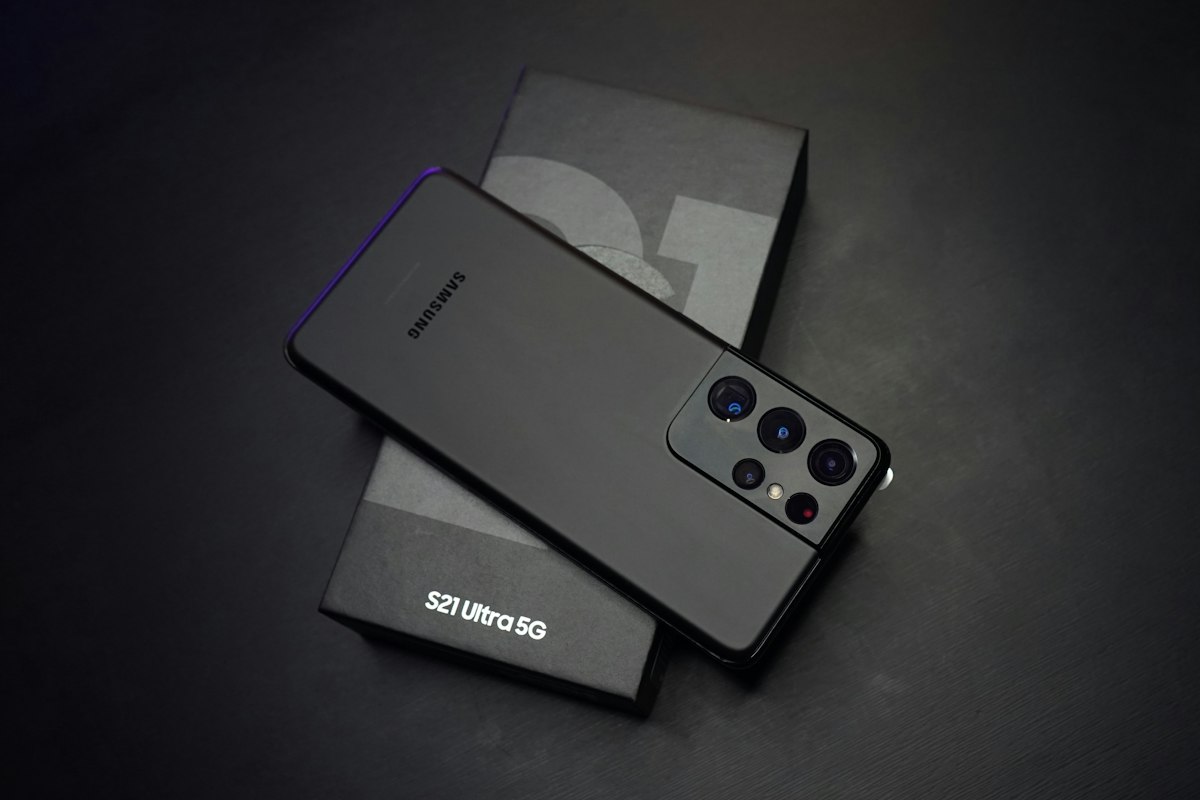
The Galaxy A17's 50MP primary sensor captures impressive photos in well-lit conditions, while the inclusion of multiple lenses (5MP ultrawide, 2MP macro) offers versatility. However, the low-resolution macro lens often produces subpar results. Samsung's software support, with six years of security patches and Android upgrades, is a significant selling point.
Relevance to North East India and Broader Indian Context
The affordability and performance of the Galaxy A17 make it an attractive option for budget-conscious consumers across India, including those in the North East region. As smartphone usage continues to grow in these areas, devices like the Galaxy A17 provide accessible means to connect, communicate, and access digital services.
Looking Forward: Future Improvements for the Galaxy A Series
While the Galaxy A17 offers a solid value for its price, there is always room for improvement. Increasing the RAM, refining the camera system, and reconsidering the inclusion of lesser-used features could make future iterations even more appealing.