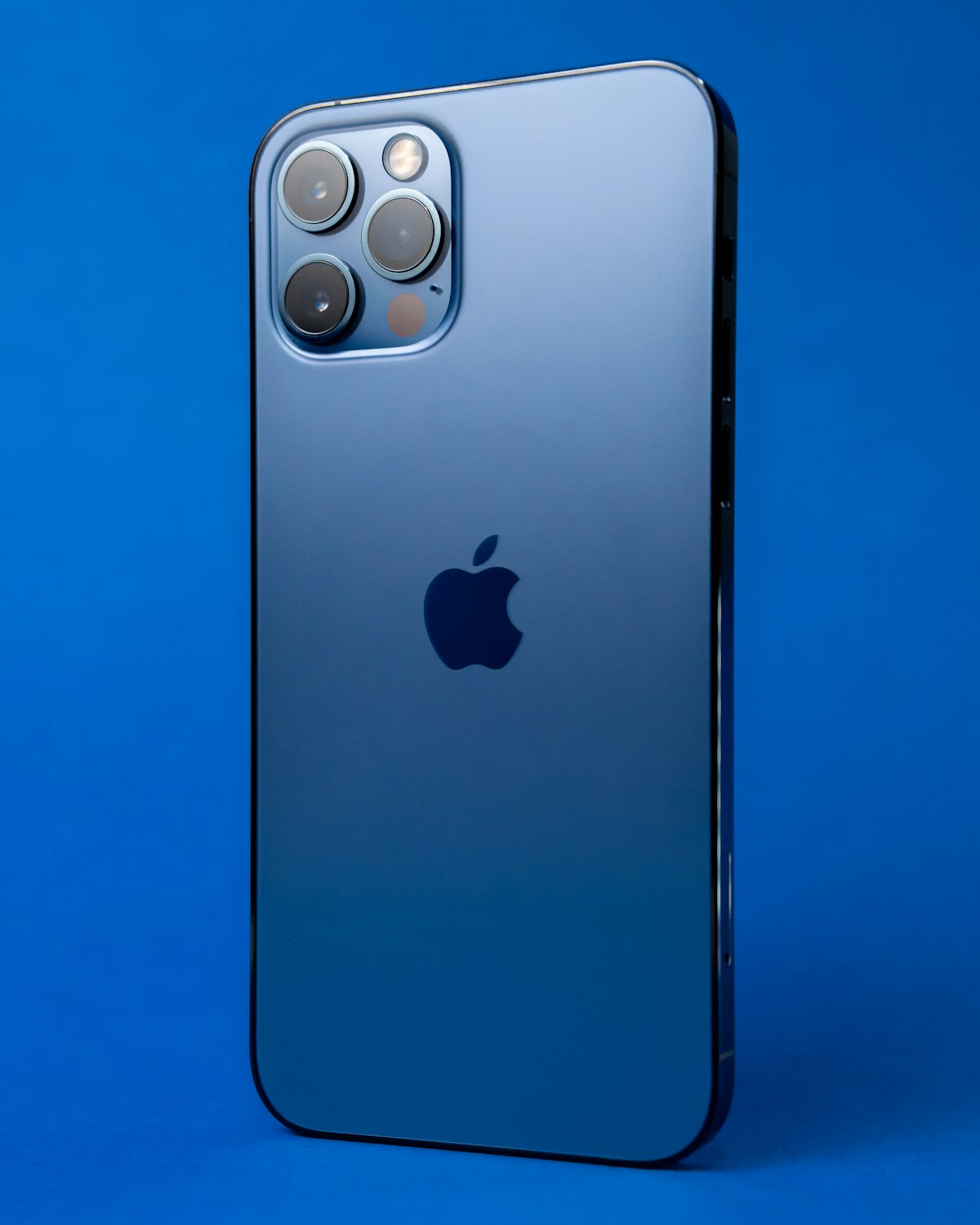
The iPhone’s Existential Crisis: Why Apple’s Hardware Obsession Is Failing Its Future
Cupertino, California — For nearly two decades, Apple’s iPhone has reigned as the gold standard of smartphone innovation, its meticulously engineered hardware setting benchmarks that competitors could only aspire to match. Yet, as the company reportedly prepares to launch its most ambitious device yet—the rumored iPhone Ultra—a troubling question looms: Has Apple’s relentless focus on hardware perfection become its greatest strategic liability?
The iPhone’s dominance was built on a simple formula: superior hardware married to intuitive software. But in 2024, that formula is cracking. Global smartphone shipments have stagnated, with IDC reporting a 3.2% decline in 2023, marking the third consecutive year of contraction. Apple, once immune to such trends, saw its market share dip in China—a critical growth engine—where local brands like Huawei and Xiaomi now command 75% of the premium segment (Counterpoint Research, Q1 2024). The problem isn’t that Apple’s hardware isn’t good enough. It’s that hardware alone isn’t enough anymore.
Key Market Realities (2023-2024)
- Global smartphone shipments: 1.17 billion (down 3.2% YoY)
- Apple’s market share in China: 15.7% (down from 19% in 2022)
- Average iPhone replacement cycle: 4.2 years (up from 3.1 years in 2019)
- Premium smartphone growth: 19% YoY (driven by foldables and AI features)
- Consumer priority shift: 68% cite "software ecosystem" as top purchase driver (Deloitte, 2024)
The Hardware Trap: Why Apple’s Strength Is Now Its Weakness
1. The Diminishing Returns of Incremental Innovation
Apple’s hardware prowess is undeniable. The A17 Pro chip, debuting in the iPhone 15 Pro, delivers 20% faster CPU performance than its predecessor while sipping 30% less power. The titanium chassis of the Pro models reduces weight by 19 grams without compromising durability. Yet, these improvements—once revolutionary—now elicit yawns. A 2024 Gartner survey found that only 12% of consumers consider processing power a "critical" factor in upgrading, down from 34% in 2018.
The iPhone Ultra, rumored to feature a periscope zoom lens (6x optical), a 2K 120Hz LTPO OLED display, and a graphene-based thermal system, will undoubtedly be a marvel of engineering. But here’s the catch: Samsung’s Galaxy S24 Ultra already offers 10x optical zoom, and Huawei’s P60 Pro achieves similar thermal efficiency with a vapor chamber. When every flagship phone boasts "best-in-class" specs, hardware superiority becomes a commodity—not a differentiator.
Case Study: The Camera Arms Race
In 2016, the iPhone 7 Plus introduced a dual-camera system, sparking a revolution in mobile photography. By 2020, Apple’s computational photography (e.g., Deep Fusion, Night Mode) set it apart. Fast-forward to 2024: Google’s Pixel 8 Pro uses AI to remove photobombers in real-time, while Samsung’s Expert RAW app offers DSLR-like manual controls. Apple’s camera improvements—while technically impressive—now feel iterative rather than innovative.
Result: In a blind test by DXOMARK (2024), the iPhone 15 Pro Max ranked 4th in photography, behind Huawei’s Mate 60 Pro, Google’s Pixel 8 Pro, and Honor’s Magic6 Pro.
2. The Foldable Elephant in the Room
Apple’s refusal to enter the foldable market—now projected to grow 55% YoY (CCS Insight)—is a glaring omission. While the iPhone Ultra may boast a "flat-edge" design and a larger screen, Samsung’s Galaxy Z Fold 5 offers 7.6 inches of unfolded display and multitasking capabilities that make the iPhone’s interface feel quaint by comparison.
The foldable segment, though niche (3% of global shipments in 2023), is where the premium market is heading. Counterpoint Research predicts foldables will account for 15% of all premium smartphone sales by 2027. Apple’s absence here isn’t just a missed opportunity—it’s a strategic retreat from the cutting edge.
Source: CCS Insight, 2024
3. The AI Paradox: Hardware Without Intelligence
The most damning indictment of Apple’s hardware-first approach is its lag in AI integration. While Google, Samsung, and even Xiaomi embed AI into every layer of the user experience—from real-time translation to predictive text—Apple’s AI efforts remain silenced and scattered.
Consider:
- Google’s Gemini Nano (on-device AI) powers features like Magic Editor in Photos and Smart Reply in Gboard.
- Samsung’s Galaxy AI offers live call translation in 13 languages and AI-generated wallpapers.
- Apple’s Siri still struggles with basic tasks like "Send my last photo to John via WhatsApp."
The iPhone’s neural engine, though capable, is underutilized. Apple’s rumored "Apple Intelligence" platform, expected in iOS 18, arrives years behind competitors. In a world where AI is redefining productivity, creativity, and communication, the iPhone risks becoming a beautiful but dumb terminal.
The Software Ecosystem: Where Apple Is Losing the War
1. The App Store’s Innovation Stagnation
Apple’s walled garden, once a selling point, is now a liability. The App Store’s rigid guidelines stifle innovation:
- No sideloading: Unlike Android, iOS users can’t install apps outside the App Store, limiting access to cutting-edge tools (e.g., AI models, emulators).
- Slow approvals: Developers report 3-5x longer review times compared to Google Play (Sensor Tower, 2024).
- Restrictive APIs: Apple’s limitations on background processing and inter-app communication hobbles AI and automation apps.
Result: 78% of breakthrough AI apps (e.g., Lensa, Replika, Otter.ai) launch on Android first. The iPhone’s ecosystem, once a strength, is now a barrier to progress.
2. The Services Gap: Where Google and Microsoft Are Winning
While Apple touts its $78 billion services business (2023), its offerings feel fragmented and outdated next to Google’s and Microsoft’s integrated suites:
| Category | Apple | Google/Microsoft |
|---|---|---|
| AI Assistant | Siri (limited to Apple apps) | Google Assistant / Copilot (cross-platform, 3rd-party integrations) |
| Cloud Productivity | iWork (basic, no AI tools) | Google Workspace / Microsoft 365 (AI-powered docs, sheets, presentations) |
| Cross-Device Sync | Limited to Apple devices | Seamless Android/Windows integration |
For professionals and creators, the choice is clear: Google’s and Microsoft’s ecosystems offer deeper integration, smarter tools, and fewer walls.
3. The Developer Exodus
Apple’s App Store policies—particularly its 30% commission and restrictive guidelines—have triggered a developer rebellion. Epic Games’ lawsuit was just the beginning. In 2023:
- Spotify stopped updating its iOS app to protest Apple’s rules.
- Meta threatened to pull Instagram and Facebook from the App Store over fee disputes.
- X (Twitter)’s Elon Musk called Apple’s policies a "de facto global tax on the internet."
The consequence? iOS is losing exclusive apps. In 2024, 42% of top-grossing apps (e.g., Fortnite, Netflix’s ad-free tier) are Android-first or offer better features on Android (Sensor Tower).
The Regional Domino Effect: How Apple’s Strategy Is Backfiring Globally
1. China: The Collapse of the Premium Myth
In China, Apple’s hardware-first approach has collapsed. Huawei’s resurgence—fueled by the Mate 60 Pro (with its 7nm Kirin chip, despite U.S. sanctions)—proves that nationalism and software innovation trump raw specs. Key factors:
- HarmonyOS: Huawei’s homegrown OS now powers 600+ million devices, offering seamless integration with Chinese services (e.g., WeChat, Alipay).
- Ecosystem Lock-in: Huawei’s Super Device feature lets users drag-and-drop files between phones, tablets, and PCs—something Apple still can’t match.
- Patriotism: 68% of Chinese consumers now prefer domestic brands (China Consumer Association, 2024).
Result: Apple’s Q1 2024 sales in China plunged 24% YoY, while Huawei’s surged 64%.
2. Europe: Regulatory Headwinds and Consumer Fatigue
The EU’s Digital Markets Act (DMA) is dismantling Apple’s walled garden. By 2024, Apple must:
- Allow sideloading and third-party app stores.
- Enable default browser choice (not just Safari).
- Open NFC access to competitors (ending Apple Pay’s monopoly).
These changes threaten Apple’s $24 billion annual App Store revenue (2023). Worse, they expose a harsh truth: Without its ecosystem controls, the iPhone’s hardware advantages matter less.
In Germany, where 58% of consumers now prioritize "data privacy" over "brand loyalty" (Statista, 2024), Apple’s refusal to embrace open standards (e.g., RCS messaging) is alienating users. The iPhone’s green bubble stigma—once a badge of exclusivity—is now a liability in a world moving to cross-platform communication.
3. India: The Affordability vs. Aspiration Paradox
India, the world’s fastest-growing smartphone market (9% YoY growth in 2023), presents Apple with an unsolvable equation:
- Aspiration: The iPhone is a status symbol