Building a Developer Portfolio: Insights from a Full Stack Developer
In the competitive world of tech, a developer's portfolio is often the first impression that matters. It is the showcase of one's skills, creativity, and professionalism. In this article, we delve into the creation of a personal developer portfolio by Jayesh Patil, a Full Stack Developer based in India. This portfolio serves as a production-ready application, not just a design experiment.
Why a Developer Portfolio Matters
A well-designed portfolio can make a significant impact on recruiters, clients, and search engines. Jayesh Patil emphasized the importance of having a premium, modern, and animation-rich portfolio that works well on mobile devices and is discoverable on search engines.
Tech Stack Used
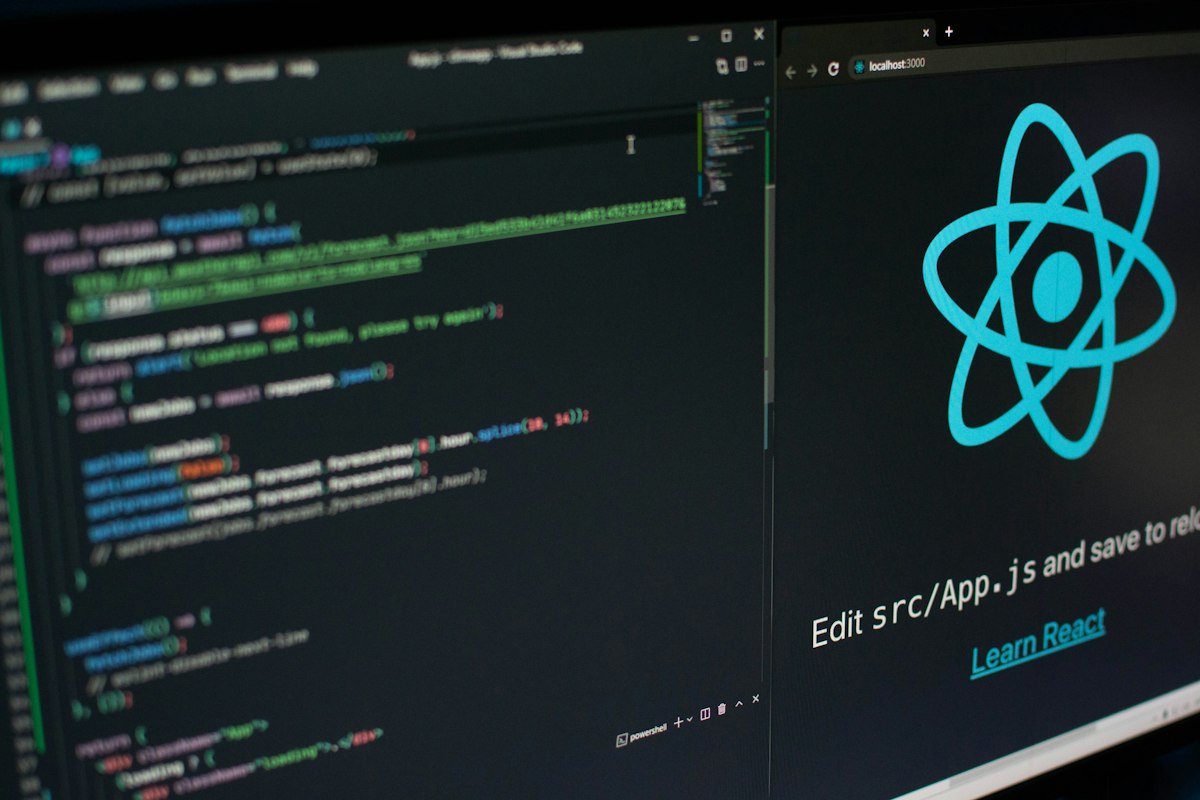
The core stack behind the project includes React 19, Vite, Tailwind CSS, GSAP, Framer Motion, Lenis, and Cloudflare Pages. The focus was not only on visuals but also on engineering discipline.
Challenges and Solutions
Balancing Performance and Animation
Building an animation-heavy Single Page Application (SPA) comes with real challenges. To ensure performance, Jayesh Patil deferred heavy animations, used requestIdleCallback, and disabled expensive effects on mobile devices.
Improving SEO for a React SPA
To make the portfolio Google-friendly, proper structured data (JSON-LD), a clean robots.txt, a sitemap.xml, and real anchor links were implemented. These steps help search engines understand the developer's identity and skills.
Maintaining a Smooth User Experience
To ensure a smooth user experience on low-end mobile devices, the portfolio was optimized to reduce Total Blocking Time (TBT). This was achieved by enhancing critical text rendering, using an SEO-safe hidden
, and letting animations enhance the UI instead of blocking it. What This Project Represents
This portfolio reflects Jayesh Patil's approach to development: clean architecture, performance, and a seamless user experience. Even personal projects, he believes, should follow real-world production standards.
Relevance to North East India and Broader Indian Context
The insights and strategies discussed in this article are applicable to developers across India, including those in the North East region. As technology continues to evolve, it is essential for developers to stay updated with the latest trends and best practices in web development.
Final Thoughts
Jayesh Patil's portfolio is an evolving project. He plans to continue improving it as he explores frontend architecture, performance optimization, and full-stack development. Feedback and questions are welcome.